





Majuli Island, Assam
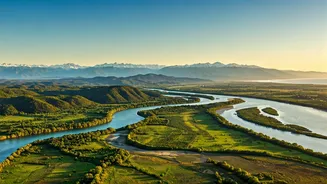
Majuli Island, situated in Assam, presents a serene escape into a world shaped by the Brahmaputra River. This river island, one of the largest in the world,
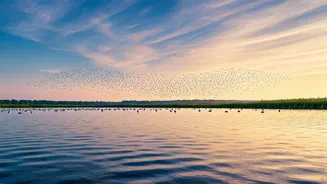
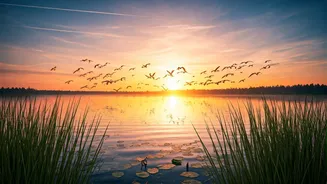
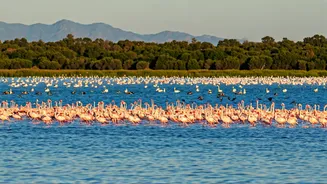
is a haven for those seeking tranquility. The villages here are steeped in the traditions of the Mising and Deori communities. Visitors can experience the vibrant cultural performances, witness the unique art forms, and explore the ancient Satras (monasteries). This location offers an insight into riverine life, with opportunities to witness local fishing practices and boat-making. The island’s lush greenery and the gentle flow of the Brahmaputra create a picture-perfect setting, away from the typical tourist crowds. In essence, Majuli promises an immersive experience that highlights the rich cultural heritage and natural beauty of Assam, making it a must-visit for anyone looking for an authentic and peaceful journey.
Spiti Valley, Himachal
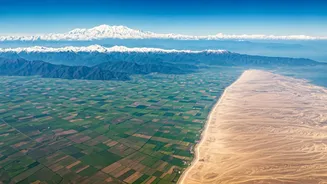
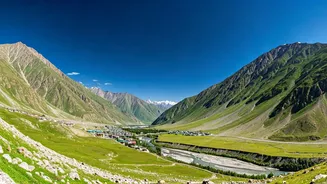
The Spiti Valley in Himachal Pradesh is a high-altitude desert mountain valley. It provides a unique blend of adventure and cultural immersion. The villages of Spiti, such as Kaza and Kibber, welcome visitors with stunning views of the Himalayas. Travelers can explore ancient monasteries like Key Monastery, which dates back to the 11th century, and Tabo Monastery. The stark landscape offers exceptional opportunities for trekking, while the local culture provides a rich insight into Tibetan Buddhism. The village life in Spiti highlights the resilience of communities that have adapted to the harsh conditions of high altitudes. Staying in homestays gives visitors an intimate look at the local lifestyle, including traditional cuisine and religious practices. From the rugged mountain passes to the prayer flags fluttering in the breeze, Spiti offers a journey of discovery that's both challenging and rewarding.
Kumbalangi, Kerala
Kumbalangi, located in Kerala, is a charming village known for its serene backwaters and cooperative community spirit. This picturesque place offers a tranquil retreat, showcasing the natural beauty of the region. The villagers have transformed Kumbalangi into a model tourism village, focusing on sustainable practices. Visitors can engage in activities such as fishing, coir making, and traditional houseboat stays. They can also enjoy the local cuisine, filled with fresh seafood and spices. The village also highlights the cultural art forms of Kerala, including Theyyam and Kathakali performances, adding to the cultural experience. The backwaters offer boat rides and peaceful moments amidst the mangroves. Kumbalangi allows tourists to experience a unique blend of nature, culture, and community spirit, making it an ideal destination for those looking to experience the Kerala way of life.
Malana, Himachal Pradesh
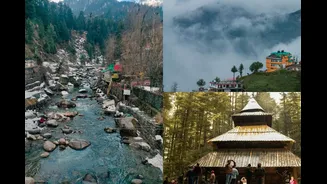
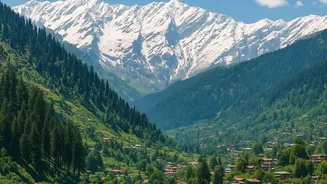
Malana, in Himachal Pradesh, is an isolated village tucked away in the Himalayas, preserving its unique culture and traditions. The village is known for its distinct governance system and strong community bonds. To reach Malana, travelers must traverse through scenic landscapes, which adds to the adventure. The inhabitants of Malana, known as the Malanis, maintain their traditions and customs largely untouched by the outside world. Tourists can witness the local lifestyle, which includes distinctive architecture and traditional clothing. While in Malana, visitors can also learn about local festivals, mythology, and the unique local language, Kanashi. The village's isolation has contributed to its cultural preservation. For travelers looking for an escape from the ordinary and a taste of ancient traditions, Malana is an unmatched destination.
Mandawa, Rajasthan
Mandawa, situated in Rajasthan, welcomes travelers with its beautifully adorned havelis, a testament to the region's rich history. This charming village is a living museum of art and architecture, with walls decorated with vibrant frescoes depicting historical and cultural scenes. Mandawa was a significant trading post in the Silk Route era. Its narrow lanes and bustling bazaars are filled with shops, selling handicrafts, textiles, and local souvenirs. Visitors can also explore the Mandawa Fort, a historic landmark providing panoramic views of the surrounding landscape. The town's atmosphere combines the grandeur of the past with the vitality of the present. Mandawa is not just a destination; it's a gateway to Rajasthan's heritage, promising a visually rich and immersive cultural experience. Travelers will find themselves captivated by the stories the havelis narrate, the colors, and the traditions that define this beautiful village.
Kalap, Uttarakhand
Kalap, hidden within the Garhwal region of Uttarakhand, is a village that offers a glimpse into a tranquil lifestyle amidst the Himalayas. Accessible via scenic trails, Kalap offers visitors an opportunity to detach from urban life. The villagers live a self-sufficient life, focusing on sustainable living practices. Travelers are drawn to Kalap for its simplicity and the opportunity to engage with nature. The village provides an immersive experience into the local traditions, including unique clothing, food habits, and farming practices. Tourists can experience the area's natural beauty by taking walks in the surrounding forests and mountain trails. Kalap is also home to a school that emphasizes traditional education, highlighting the community’s commitment to education. For those seeking an escape from the everyday hustle, Kalap's untouched landscapes and peaceful atmosphere offer a chance to rejuvenate the body and mind, offering an opportunity for self-reflection.
Hampi, Karnataka
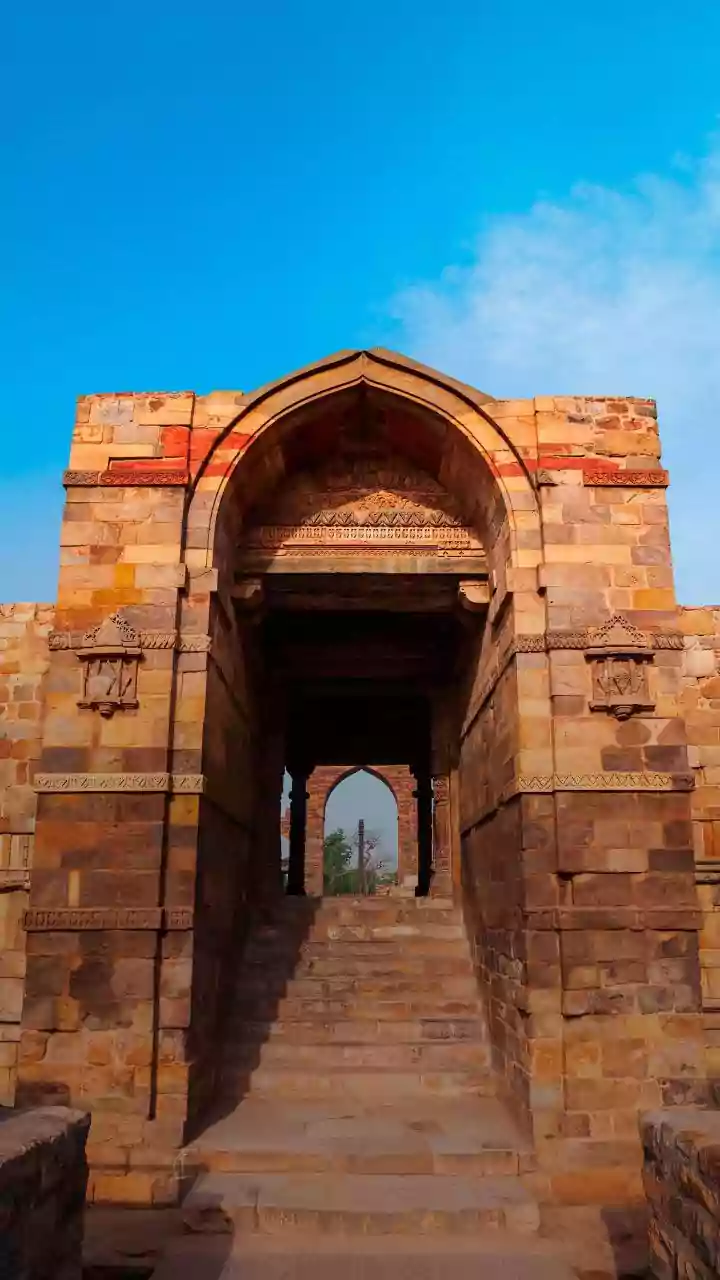
Hampi, in Karnataka, is a UNESCO World Heritage site that provides a look into the ruins of the Vijayanagara Empire. The rural landscape surrounding the historical site is dotted with ancient temples, forts, and monuments. Exploring Hampi involves navigating the remnants of an ancient kingdom, where stones and carved structures tell stories of battles, royalty, and religious beliefs. Visitors can explore the Virupaksha Temple, the Hampi Bazaar, and the various temple complexes. The landscape around Hampi, with its boulder-strewn hills and the Tungabhadra River, is a visual delight, adding to the site's unique charm. The village near Hampi features a blend of historical context and modern life, with the local communities continuing to practice traditional crafts and trades. A trip to Hampi offers a chance to dive into the rich history of a great Indian empire. It is a journey that links the past with the present and creates lasting memories.
Pochampally, Telangana
Pochampally, located in Telangana, is renowned for its handwoven Ikat sarees. This village is a hub for textile artisans who have preserved this intricate weaving technique over generations. Pochampally's beauty lies not just in its vibrant textiles, but also in its well-preserved traditional homes and the dedication of the community to its craft. Travelers can explore the workshops and witness the creation of Ikat sarees. They can also learn about the different stages of the process, from dyeing the yarn to weaving the fabric. The village offers a glimpse into the life of weavers. It also highlights the importance of preserving traditional crafts in the modern world. Purchasing an Ikat saree directly from the weavers supports the local economy and enables travelers to contribute to the preservation of a unique art form. Pochampally is a must-visit destination for anyone looking to support artisan culture and experience an authentic slice of rural life.
Khimsar, Rajasthan
Khimsar, located in Rajasthan, combines the allure of a traditional desert village with the historical charm of the Khimsar Fort. This picturesque village is surrounded by sand dunes and offers a unique desert experience. Visitors can enjoy camel safaris, exploring the nearby dunes, and witnessing beautiful sunsets. The Khimsar Fort, now a heritage hotel, provides a luxurious stay with glimpses into the region's royal history. The village also allows travelers to experience the local culture, including traditional Rajasthani cuisine and folk music. This destination blends the desert landscape, historical significance, and local culture. Khimsar provides a unique blend of experiences, making it ideal for those seeking both adventure and relaxation. The stark beauty of the desert, combined with the warm hospitality of the locals, leaves a lasting impact on visitors.
Ziro Valley, Arunachal
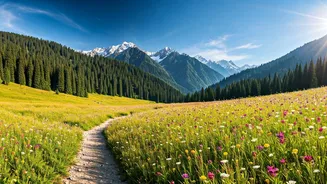
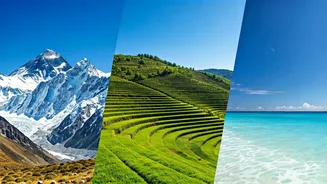
Ziro Valley, nestled in Arunachal Pradesh, offers a vibrant display of natural beauty and indigenous culture. The valley, primarily inhabited by the Apatani tribe, presents a rich cultural experience alongside picturesque landscapes. Visitors can explore the rice fields, pine-covered hills, and traditional Apatani villages. The tribe's unique agricultural practices and social customs provide a fascinating insight into indigenous lifestyles. The Apatani people are known for their intricate face tattoos and nose plugs. Their welcoming culture enchants tourists. Ziro Valley is also known for its pleasant climate. Its landscape allows for trekking and exploring the natural beauty of the region. A stay in the valley lets tourists engage with the local community, learn about their traditions, and enjoy the tranquil atmosphere. Ziro Valley is a cultural and scenic destination.