



January's Winter Charm
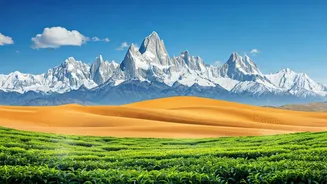
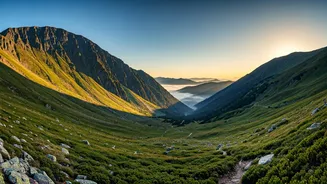
January is a prime month for experiencing India's delightful winter. Northern regions transform into snowy paradises in places like Kashmir, Himachal Pradesh,
and Uttarakhand, perfect for those who love winter wonderlands. Meanwhile, the deserts of Rajasthan and Gujarat offer a more temperate experience, ideal for exploration. Down south, the weather remains pleasantly warm, making it suitable for enjoying the coastal areas or delving into cultural experiences. Key festivals like Makar Sankranti and Pongal add a vibrant cultural dimension to January travel, enriching your journey with local traditions and festivities. This month truly offers a spectrum of experiences, from crisp, cool air in the north to balmy warmth in the south, catering to a variety of preferences for sightseeing and cultural immersion.
February's Gentle Climate
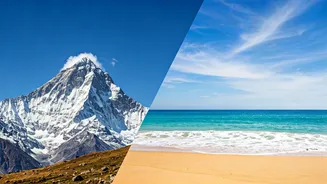
February is a sweet spot for travelers seeking comfortable, mild weather without the deep chill of January. This month is particularly favored by couples and those looking for a relaxed pace. Wildlife enthusiasts will find this period excellent for safaris in renowned parks like Ranthambore and Jim Corbett, where animal sightings are often at their best. Beach destinations such as Goa and Kerala continue to beckon, offering sun-drenched shores and tranquil waters. February strikes an excellent balance, providing agreeable temperatures for extensive sightseeing and making travel smoother and more enjoyable across various Indian states.
March: Spring's Arrival
As spring gracefully arrives, March brings a palpable sense of warmth and vibrant celebration to India. The country erupts in color with the famous Holi festival, painting towns and cities with joyous hues. While temperatures begin to rise steadily towards the end of the month, particularly in the plains, hill stations remain refreshingly cool and inviting. Heritage cities and wildlife reserves also offer rewarding experiences during this transition period. March is an especially lively time for travelers interested in cultural festivities, vibrant photography opportunities, and exploring historical sites before the heat of summer fully sets in.
April's Cooler Escapes
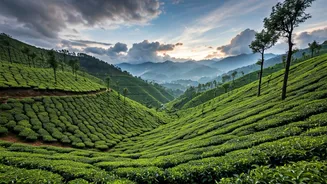
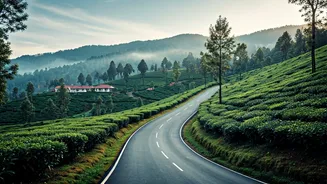
With the Indian plains starting to experience significant warmth, April becomes the perfect month to seek refuge in cooler, elevated destinations. Popular hill stations such as Shimla, Manali, Darjeeling, Ooty, and Munnar become highly sought-after, offering crisp, pleasant air and breathtaking scenic beauty. This period also marks the opening of many trekking routes and nature trails, making it an ideal time for adventurous activities and family outings. April is a favorite for those planning early summer vacations, providing a refreshing respite from the rising temperatures and a chance to enjoy the serene mountain landscapes.
May's Himalayan Peak
May is often characterized by soaring temperatures across much of India, making it the peak season for escaping to the Himalayas. Regions in Himachal Pradesh, Uttarakhand, and the North-Eastern states experience a surge in visitors seeking cooler climes and stunning mountain vistas. Wildlife parks remain active as animals congregate around dwindling water sources, offering potential viewing opportunities. For many travelers, May represents a time to deliberately avoid the heat of the plains and instead embrace the refreshing environments of the higher altitudes, making it a month primarily for mountain retreats.
June's Transition Period
June marks an interesting transitional phase in India, where early summer gradually paves the way for the onset of the monsoon in various regions. This is an opportune time to explore Ladakh and the Spiti Valley, as their high-altitude desert terrains become accessible, attracting a significant number of adventure enthusiasts. While some parts of South India begin to witness the first rain showers, the northern hill stations continue to offer a cooler and more tranquil getaway. It's a month that bridges the gap between summer heat and the rainy season, offering unique travel opportunities in both high-altitude deserts and quieter mountain locales.
July's Monsoon Magic
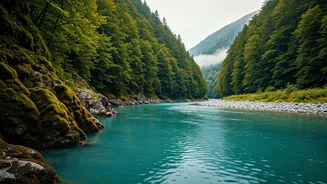
July plunges India into the heart of its monsoon season, transforming the landscape into a lush, verdant spectacle. The country's natural beauty is amplified as waterfalls swell and forests teem with life, creating a visually stunning environment. While travel might be slower due to the rains, the scenery becomes exceptionally picturesque, particularly in regions like Kerala and the Western Ghats. This period is best suited for travelers who appreciate nature in its most raw and vibrant form, and who prefer fewer crowds. The monsoon transforms ordinary landscapes into extraordinary displays of natural beauty, offering a unique perspective on India's ecological diversity.
August's Misty Hills
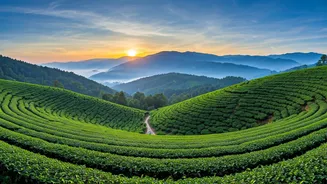
The monsoon's influence continues into August, bringing with it a rich tapestry of cultural celebrations, including Independence Day and the prominent festival of Onam. Hill stations are often enveloped in a mystical mist, enhancing their serene beauty and offering a peaceful ambiance. The reduced tourist traffic during this period allows for a more contemplative and less hurried travel experience. August is often chosen by those seeking deeper cultural immersion and a chance to witness local traditions and festivals in a tranquil setting, away from the usual bustling tourist trails.
September's Refreshing Clarity
As the monsoon rains begin to recede, September heralds a period of renewed clarity and freshness across India. The abundant greenery left by the rains continues to adorn the landscapes, and the air feels lighter and more invigorating. Many tourist destinations begin to fully reopen and welcome visitors again. With fewer crowds and increasingly pleasant weather conditions, September is an exceptional month for photography enthusiasts and for those who prefer a relaxed pace of exploration, allowing for a more intimate connection with the places they visit.
October's Golden Season
Widely acclaimed as one of the best months to travel in India, October offers near-perfect conditions nationwide. The lingering effects of the monsoon have disappeared, leading to clear skies and comfortable temperatures ideal for exploration. The atmosphere is further enlivened by major festivals such as Navratri and Durga Puja, which add vibrant colors and energetic celebrations to the cultural scene. From the northern mountains to the southern coasts, the weather is conducive to extensive travel and experiencing the diverse offerings of India without the extremes of heat or cold.
November's Stable Weather
November stands out as one of the most reliably pleasant months for travel in India, offering consistently stable and agreeable weather. Mild temperatures, clear blue skies, and calm conditions make it an excellent time for a variety of activities, including long road trips, wildlife safaris, and immersive heritage tours. Cities, deserts, beaches, and national parks all showcase their best features during this period, without the congestion typically associated with peak tourist seasons. It's a month where you can expect smooth travel and enjoyable experiences across most of the country.
December's Festive Glow
December concludes the year with a dual appeal: festive celebrations and the onset of winter beauty. Northern hill stations begin to receive snowfall, offering picturesque winter landscapes, while major cities and coastal areas buzz with Christmas and New Year festivities. This month is one of the busiest for travel, attracting a significant number of both domestic and international tourists eager to experience India's winter charm and festive spirit. Planning ahead is essential for December travel, but the rewards are memorable winter holidays and vibrant celebrations across the country.