



Vibrant Festivals Galore
India is a land where festivals are not just events, but profound expressions of its cultural soul, celebrated with immense zeal and diversity across the
nation. Each festival, whether it's the joyous explosion of colors during Holi, the illuminating glow of Diyas on Diwali, the auspicious prayers during Durga Puja, or the communal feasting of Eid, carries its own unique significance and narrative. These celebrations often transcend religious boundaries, bringing communities together in shared joy and revelry, reinforcing social bonds and preserving age-old customs. The preparation for these festivals is a spectacle in itself, involving elaborate decorations, the creation of intricate rangolis, the preparation of special culinary delights, and the donning of new, vibrant attire. The air during festival seasons is thick with an infectious energy, a palpable sense of community, and a deep connection to heritage that is passed down through generations. Beyond the grand spectacles, many regional festivals, like Onam in Kerala, Pongal in Tamil Nadu, or Bihu in Assam, showcase the localized cultural richness, highlighting unique agricultural practices, folk art forms, and traditional music and dance, further enriching India's mosaic of celebrations.
Timeless Traditions & Rituals
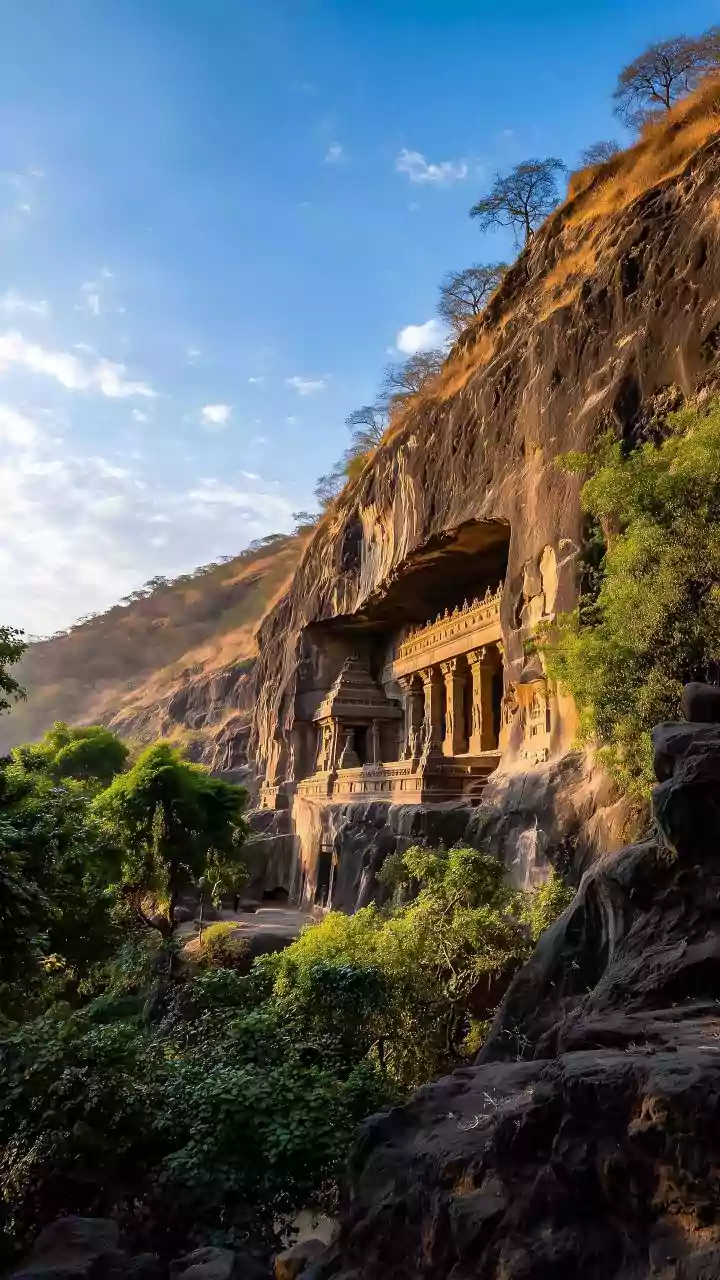
The fabric of Indian culture is intricately woven with a rich tapestry of age-old traditions and rituals that have been meticulously preserved and practiced for centuries. These customs, deeply embedded in the daily lives of its people, often stem from spiritual beliefs, historical narratives, and societal values. From the sacred rituals performed during weddings, such as the 'Saptapadi' (seven steps around the sacred fire), to the solemn observance of mourning rites, each ceremony marks a significant life event with profound symbolism and community participation. The respect for elders, the emphasis on family unity, and the practice of yoga and meditation are cornerstones of Indian traditional values, promoting harmony and well-being. Architectural marvels, from ancient temples to intricate havelis, stand as testaments to India's artistic heritage and craftsmanship, often reflecting mythological stories and spiritual ideologies. Furthermore, the classical performing arts, including Bharatanatyam, Kathak, Odissi dance forms, and Hindustani and Carnatic music, continue to thrive, serving as vital conduits for storytelling, spiritual expression, and the transmission of cultural knowledge across generations, embodying a living heritage that resonates with the nation's past.
Modern Influences Evolving
In the contemporary era, India's vibrant culture is experiencing a dynamic evolution, seamlessly integrating global influences while retaining its core traditional values. The digital revolution has significantly impacted how traditions are shared and perceived, with social media platforms becoming powerful tools for cultural exchange and the dissemination of traditional arts and knowledge to a wider audience. While urban centers embrace modern fashion trends and globalized lifestyles, there's a concurrent resurgence of interest in traditional crafts, regional cuisines, and indigenous practices, showcasing a unique blend of old and new. The educational system is also adapting, incorporating diverse perspectives and fostering critical thinking, which influences societal norms and individual choices. This blend is evident in various spheres, from cinema and music, which now feature a fusion of Indian and Western styles, to the way families navigate intergenerational relationships in a rapidly changing world. This ongoing cultural transformation highlights India's remarkable ability to adapt and innovate while remaining deeply rooted in its rich historical and spiritual foundations, creating a unique contemporary cultural identity.