






Cocoa Composition Revealed
The primary divergence between dark and milk chocolate lies in their foundational ingredient: cocoa. Derived from the seeds of the Theobroma cacao tree,
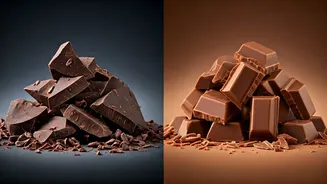
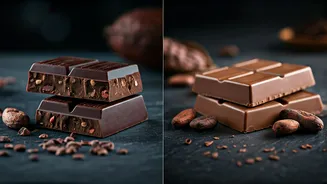
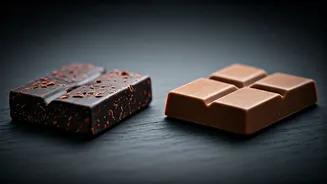
these beans are processed into cocoa solids, which impart a bitter flavor and color, and cocoa butter, contributing to chocolate's smooth texture. Chocolate, in general, is a blend of these two components along with sugar. Milk chocolate, however, incorporates milk powder or condensed milk, altering its composition significantly. Dark chocolate, by contrast, boasts a much higher concentration of cocoa solids, typically ranging from 50% to a commanding 90%. Milk chocolate usually contains a modest 20% to 30% cocoa solids, with the remainder being milk components and sugar. This fundamental difference in cocoa percentage directly influences the subsequent nutritional characteristics of each type of chocolate.
Nutritional Breakdown Compared
The increased cocoa content in dark chocolate translates to a richer mineral profile compared to milk chocolate. For instance, a 20-gram serving of dark chocolate (over 60% cocoa) offers more magnesium, iron, and zinc than the same amount of milk chocolate (30% cocoa). Dark chocolate also contains a modest amount of caffeine, though significantly less than a typical cup of coffee. While milk chocolate provides more calcium due to its milk solids, it often comes with a higher sugar load. Crucially, cocoa is abundant in polyphenols, particularly flavanols, which are potent antioxidants that combat cellular damage. Dark chocolate, with its higher cocoa percentage, contains substantially more flavanols – approximately five times more than milk chocolate – and even surpasses other antioxidant-rich sources like black tea and red wine in catechin content.
Health Effects Explored
Research has pointed towards potential cardiovascular benefits associated with cocoa flavanols, suggesting they may aid in blood vessel relaxation and improve blood flow, potentially leading to slight reductions in blood pressure. Broader evidence hints at a link between flavanol-rich diets and a reduced risk of cardiovascular disease. However, these findings often stem from studies using concentrated cocoa extracts or specially formulated chocolates, not everyday supermarket varieties, and at higher doses than typically consumed. While a large review indicated an association between chocolate consumption and lower risks of cardiovascular disease, stroke, and diabetes, the evidence quality is generally weak, often based on observational studies that cannot establish direct causation. Therefore, while cocoa possesses beneficial compounds, chocolate itself isn't a health supplement.
Sugar Content Vigilance
Despite its perceived health advantages, dark chocolate isn't always the healthier choice, especially concerning sugar content. Some dark chocolate varieties can contain surprisingly high levels of sugar, reaching 40-50% depending on the cocoa percentage and recipe. For example, a 150g dark chocolate Easter bunny with 50% sugar could contain around 19 teaspoons of added sugar. This also applies to Easter eggs, where sugar may be listed as a primary ingredient, even before cocoa butter. It is therefore essential to scrutinize the ingredients list and nutritional panel on any chocolate product. Sugar being listed first indicates it is the largest ingredient by weight, signifying a less concentrated cocoa product. Opting for chocolate where cocoa mass, cocoa powder, or cocoa butter appears first among the ingredients is generally a better indicator of quality and a lower sugar content.
Making the Right Choice
When selecting chocolate, particularly around festive seasons like Easter, understanding the cocoa percentage is key. Aiming for dark chocolate with 70% cocoa or higher generally offers a more favorable nutritional profile. Always check the ingredients list before purchasing; in a superior dark chocolate, cocoa components should precede sugar. A high-quality dark chocolate might list ingredients in an order like: cocoa mass, cocoa powder, cocoa butter, sugar, vanilla. Conversely, a lower-quality product might begin with sugar, followed by cocoa mass and butter. Beyond these considerations, the most important factors are choosing a chocolate you genuinely enjoy and being mindful of your portion sizes. Ultimately, your overall dietary habits play a far more significant role in your health than a few chocolate treats. The true benefit of enjoying chocolate might lie more in the pleasure it brings and the moments of sharing it creates.