
Understanding Blazer Basics
Blazers, more than just jackets, are transformative pieces. They are the ultimate wardrobe staples, seamlessly transitioning from professional environments
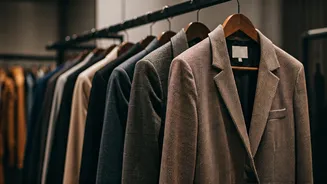
to relaxed weekend outings. The right blazer boosts confidence and elevates your style with minimal effort. Key elements when considering a blazer include the fit, fabric, and overall design. A well-fitted blazer can instantly refine an outfit, making you look polished and put-together. Fabrics range from structured wools ideal for office wear to relaxed linens or cotton for a more casual aesthetic. The design elements, such as the lapels, buttons, and pockets, further contribute to the blazer's personality and suitability for different occasions. Selecting a blazer involves considering your personal style preferences, body type, and the context in which you plan to wear it. Whether you're aiming for a sleek, tailored look or a more relaxed, comfortable vibe, the right blazer can be a game-changer. The versatility of a blazer allows for countless styling possibilities. You can pair it with tailored trousers for a classic office look, or dress it down with jeans and a t-shirt for a more casual setting. Accessorizing with scarves, statement jewelry, or a stylish bag can further personalize your blazer outfits. Therefore, a well-chosen blazer is an investment in your wardrobe, offering endless styling possibilities and a touch of sophistication to any ensemble.
Finding the Right Fit
Fit is paramount when selecting a blazer. The ideal blazer should complement your body shape and enhance your silhouette. A well-fitting blazer should allow comfortable movement while maintaining a clean, tailored appearance. Start by considering the shoulder fit. The shoulder seams should align with your shoulders; they shouldn't extend beyond or fall short of the natural shoulder line. Next, focus on the chest and torso fit. The blazer should close comfortably without straining across the chest or stomach. When buttoned, there should be no pulling or gaping. For the sleeves, the ideal length typically reaches the wrist bone, allowing about half an inch of shirt cuff to show. Consider the length of the blazer. It should hit at a point that balances your proportions. Shorter blazers work well for those with longer legs, while longer blazers can elongate the torso. Slim-fit blazers offer a tailored appearance, hugging the body closely. This style is suitable for those who prefer a modern, streamlined look. Relaxed-fit blazers offer more room and are ideal for a casual, comfortable feel. They are often less structured and can easily be dressed up or down. Pay attention to the fabric, as it influences the drape and fit. Structured fabrics, such as wool or tweed, tend to hold their shape better, while softer fabrics, such as linen or cotton, drape more loosely. Regularly check your blazer's fit, especially after alterations. A well-fitted blazer significantly enhances your overall appearance and boosts your confidence. Remember to always prioritize fit, since a perfectly tailored blazer is a key ingredient for a refined look.
Styling for Work
A blazer is a quintessential element of professional attire. It instantly adds a touch of sophistication and authority to your work wardrobe. For a classic office look, combine a tailored blazer with a crisp button-down shirt and tailored trousers or a pencil skirt. Choose blazers in classic colors, such as navy, black, or gray, for versatility. Darker hues are appropriate for formal meetings and professional environments. To add a touch of personality, opt for blazers with subtle patterns, such as pinstripes or houndstooth, or experiment with different textures. Ensure the blazer fits well and complements your body shape, creating a polished, professional silhouette. Accessorize strategically. A silk scarf or a statement necklace can elevate your outfit, but avoid excessive or distracting jewelry that might detract from a professional appearance. For footwear, select closed-toe shoes, such as pumps or loafers. Keep your overall look clean and uncluttered. A well-tailored blazer, combined with complementary pieces, establishes a professional image. The blazer also works as part of business casual attire. Pair it with a blouse or a sweater and well-fitting chinos or dark-wash jeans. Choose more relaxed fabrics like cotton or linen. This allows for comfort while maintaining a put-together look. Remember to keep the overall look professional, avoiding excessively casual or revealing garments. The blazer, when thoughtfully styled, becomes a versatile and powerful piece in your professional wardrobe.
Styling for Casual Outings
Blazers are not just for professional contexts; they seamlessly integrate into casual ensembles. They provide effortless sophistication to your casual style. For a relaxed weekend look, pair your blazer with jeans and a t-shirt. Choose a blazer in a more relaxed fit and softer fabric for a comfortable vibe. Experiment with different colors and patterns, such as bolder hues or textured fabrics. Dress up the outfit with a stylish belt and accessorize with a scarf or a casual bag. To create a more layered look, consider wearing a sweater or a hoodie underneath your blazer. This adds warmth and visual interest to your outfit. The versatility of a blazer allows for mixing and matching with different casual pieces. Try combining your blazer with a skirt and sneakers or with shorts and sandals for a laid-back, yet polished appearance. Footwear choices range from casual sneakers to stylish ankle boots, depending on the occasion and your personal style. Accessorize your blazer outfits with casual accessories, such as a watch or a simple necklace. Experiment with different textures, like mixing a linen blazer with denim or leather. The key is to balance comfort and style, ensuring your outfit reflects your personality while remaining put-together. Ultimately, a blazer can be a key piece for any casual wardrobe, adding a touch of elegance and versatility to your everyday looks.