





Leh's Majestic Peaks
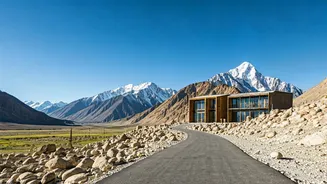
Nestled in the Indian Himalayas, Leh offers a truly dramatic weather experience. Due to its high altitude and arid climate, the region can swiftly transition
from clear, sunny skies to sudden snow showers, especially during shoulder seasons like spring and autumn. Mornings often begin with crisp, cold air and brilliant sunshine, perfect for exploring ancient monasteries. By midday, clouds can gather, bringing a chilling wind and light snowfall that quickly blankets the rugged terrain. As the sun begins to set, the skies might clear again, revealing a star-studded, intensely cold night. This rapid fluctuation is a hallmark of the Himalayan weather, where altitude plays a crucial role in dictating the day's atmospheric mood. Visitors should always be prepared for all eventualities, packing layers to adapt to these swift changes that can make a single day feel like a miniature meteorological journey.
Iceland's Volatile Beauty
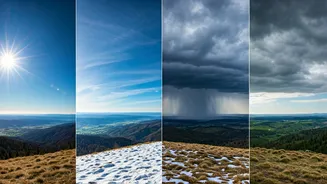
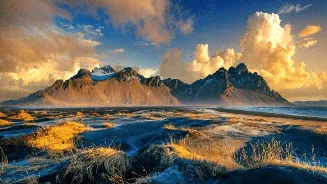
Known as the 'Land of Fire and Ice,' Iceland lives up to its name with its famously unpredictable weather. On any given day, you might encounter bright sunshine, driving rain, swirling mist, and even sleet or snow, often in quick succession. The island's location on the Mid-Atlantic Ridge and its proximity to the Arctic Circle contribute to these dynamic atmospheric conditions. A typical Icelandic day could start with a brisk, sunny morning ideal for admiring volcanic landscapes. However, a strong wind can quickly whip up dark clouds, bringing a downpour that might be followed by a brief period of sunshine, only for a chilly fog to roll in from the sea. This constant interplay of elements creates a visually stunning and ever-changing environment, making it essential for travelers to embrace the unpredictability and dress in waterproof and windproof gear. It's a place where nature's raw power is on full display, offering a complete weather spectrum within hours.
Mount Washington's Fury
Mount Washington in New Hampshire, USA, is renowned for its extreme and rapidly changing weather, often described as the 'Home of the World's Worst Weather.' While not as geographically diverse as Iceland, its summit experiences incredibly fierce winds, dramatic temperature drops, and sudden blizzards, even in summer months. Mornings might present a seemingly calm, albeit cold, atmosphere with clear views. However, by afternoon, hurricane-force winds can descend, accompanied by heavy snow or freezing rain, making visibility near zero. The summit's elevation and its position in the path of powerful storm systems contribute to these volatile conditions. Visitors need to be acutely aware that the weather can deteriorate with alarming speed, demanding robust preparation and a deep respect for the mountain's power. Experiencing its full range of weather in a single day is less about a gentle progression and more about enduring nature's formidable might.
Patagonia's Wild Swings
The dramatic landscapes of Patagonia, shared by Argentina and Chile, are famous for their turbulent and unpredictable weather. This region at the southern tip of South America experiences rapid shifts from brilliant sunshine to torrential rain, powerful winds, and even snow, often within hours. The convergence of Atlantic and Pacific weather systems, coupled with the towering Andes mountains, creates a meteorological melting pot. You could start your day with clear skies, perfect for admiring the iconic peaks and glaciers. However, by lunchtime, a fierce wind might arrive, carrying with it dark clouds and a cold rain, possibly transitioning to a brief flurry of snow. This constant flux means that layers are absolutely essential for any traveler. The raw, untamed beauty of Patagonia is intrinsically linked to its wild weather, offering a true test of preparedness and a captivating spectacle of nature's dynamic forces.
Queenstown's Mountain Moods
Queenstown, New Zealand, nestled beside the stunning Remarkables mountain range and Lake Wakatipu, offers a microcosm of diverse weather conditions within a short span. Thanks to its alpine setting, the town can experience warm, sunny spells ideal for outdoor activities, followed by rapid cloud build-up, rain, and a noticeable drop in temperature. Even during the summer months, it's not uncommon to witness sunshine giving way to a brisk, rainy afternoon, perhaps even with a dusting of snow on the higher peaks. Mornings often start crisp and cool, with the possibility of clear skies, but the weather can change dramatically as the day progresses, influenced by the surrounding mountains and the nearby Tasman Sea. This constant variability adds to the adventurous spirit of the region, encouraging visitors to be ready for anything and embrace the dynamic natural beauty that unfolds throughout the day.