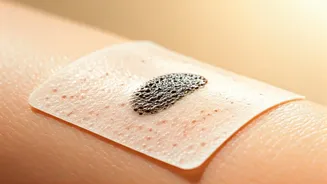







Blackheads and Clogged Pores
Blackheads and clogged pores are often the first signs that indicate a facial is necessary. These imperfections develop when sebum and dead skin cells
accumulate in hair follicles, creating blockages. A professional facial can deeply cleanse the skin, effectively extracting these impurities. This process not only clears existing blackheads but also helps in preventing future breakouts. Regular facials aid in controlling sebum production, which is crucial for those with oily or acne-prone skin. Exfoliation, a key part of facials, removes the dead skin cells that contribute to pore congestion. The outcome is noticeably clearer, smoother skin, and a reduced risk of inflammation and acne.
Visible Dark Spots
Dark spots, also known as hyperpigmentation, are another significant reason to consider a facial. These spots can result from sun damage, hormonal fluctuations, or acne scars, leading to an uneven skin tone. Facials often incorporate treatments such as chemical peels or microdermabrasion, which are designed to reduce the appearance of dark spots. These procedures work by exfoliating the top layers of skin, removing the pigmented cells, and stimulating new cell growth. Over time, this process helps to even out the skin tone, giving it a brighter and more youthful look. Regular facials that include targeted treatments for hyperpigmentation can be highly effective in managing and improving skin discoloration.
Persistent Acne Problems
For those battling persistent acne, a facial can offer a significant advantage. Facials specifically formulated for acne-prone skin often include deep cleansing, exfoliation, and the application of specialized masks and serums. These treatments aim to remove excess oil, unclog pores, and reduce inflammation. The products used in professional facials often contain ingredients like salicylic acid or benzoyl peroxide, which help to fight acne-causing bacteria and reduce breakouts. Furthermore, a facial can help in the extraction of comedones (blackheads and whiteheads), which is an essential step in managing acne. Incorporating regular facials into an acne management routine can lead to significant improvements in skin clarity and texture, reducing the frequency and severity of acne breakouts.
Dull, Tired-Looking Skin
When skin appears dull and lacks radiance, it is often a sign of accumulated dead skin cells and environmental damage. Facials include exfoliation to remove these layers, unveiling fresh, glowing skin beneath. Treatments stimulate circulation, bringing oxygen and nutrients to the skin cells. Massage techniques during a facial enhance lymphatic drainage, helping to remove toxins and reduce puffiness. Facials typically incorporate hydrating masks and serums to replenish the skin’s moisture levels, giving it a plump and healthy appearance. In addition to improving the skin's overall appearance, these treatments can enhance the absorption of skincare products, making them more effective. A regular facial schedule can counteract the effects of aging and environmental stressors, leaving the skin revitalized and refreshed.
Early Signs of Aging
The onset of fine lines, wrinkles, and loss of firmness are key indicators that it's time for a facial, especially as these signs are often the first visible signs of aging. Facials targeting aging concerns typically involve ingredients like hyaluronic acid and antioxidants to boost collagen production. These ingredients help to hydrate the skin, reduce the appearance of wrinkles, and improve skin elasticity. Some facials include treatments like microcurrent or LED therapy, which stimulate collagen production and promote skin tightening. Regular facials that focus on anti-aging can help to slow down the aging process and maintain a youthful complexion. By incorporating these treatments into a regular skincare routine, individuals can proactively address the early signs of aging.