







Artistic Identity Documents
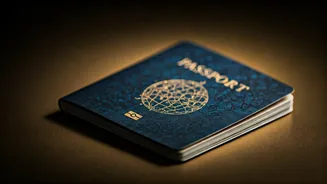
Passports, often viewed solely through the lens of their bureaucratic purpose, are increasingly becoming canvases for national identity and artistic expression.
Gone are the days when they were purely functional, utilitarian booklets. Today, many nations are investing significant effort into designing passports that are not only secure but also visually captivating, reflecting cultural heritage and national pride. These meticulously crafted documents often feature intricate patterns, stunning landscapes, and symbolic imagery, turning a necessary travel item into a collectible piece of art. The evolution reflects a growing appreciation for design in all aspects of life, even in official government-issued identification. This shift encourages travelers to take a closer look at the passport they carry, revealing a hidden world of artistry that often goes unnoticed amidst the hustle of travel.
Design as Diplomacy
The design of a passport can serve as a subtle yet powerful form of soft diplomacy, projecting an image of a nation's culture, history, and technological advancement to the global stage. When a traveler presents their passport, the cover and internal pages offer a first glimpse into the country's aesthetic sensibilities. Countries are leveraging this opportunity by incorporating unique artistic elements, from intricate heraldry and traditional motifs to contemporary graphic designs and vibrant national symbols. These visual narratives can evoke a sense of wonder and curiosity, encouraging positive perceptions and potentially fostering greater interest in tourism and cultural exchange. The choice of colors, typography, and imagery is carefully considered, aiming to create a document that is both authoritative and appealing, a miniature ambassador of the nation it represents.
Hidden Artistic Layers
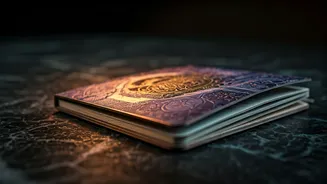
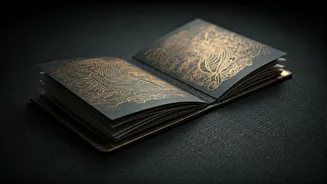
Beyond the cover, the internal pages of passports often hide a wealth of artistic detail that is integral to their security features. Many nations employ sophisticated printing techniques, embedding intricate watermarks, UV-reactive inks that reveal hidden images under special light, and complex guilloché patterns that are difficult to counterfeit. These elements are not just for security; they are often designed with aesthetic considerations, transforming what would otherwise be mundane security measures into subtle works of art. For instance, national landmarks, flora and fauna, or abstract patterns inspired by traditional crafts are frequently incorporated into these designs. This dual purpose of security and artistry makes each page a potential discovery, offering a glimpse into the country's heritage and visual language in an engaging and unexpected way.