






The Data Entry Dilemma
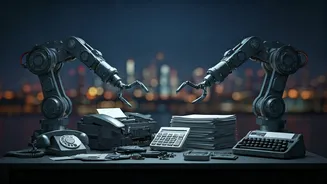
In the digital age, tasks involving routine data entry are increasingly being automated. Sophisticated software can now capture, process, and organize
information with remarkable speed and accuracy, far surpassing human capabilities in terms of efficiency and error reduction. This technology streamlines operations, making manual data input roles less essential. Businesses are shifting towards systems that utilize optical character recognition (OCR), artificial intelligence (AI), and machine learning algorithms to handle vast datasets. Consequently, the demand for human data entry clerks is on a steep decline as organizations embrace these powerful digital tools to cut costs and enhance productivity. The focus is moving towards roles that involve data analysis and interpretation rather than mere input.
Assembly Line Exodus
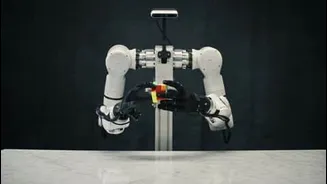
The manufacturing sector has long been a pioneer in automation, and assembly line roles are prime examples of jobs susceptible to this trend. Robotic arms and automated machinery can perform repetitive physical tasks with unwavering precision, tirelessly working around the clock without the need for breaks or experiencing fatigue. These systems are designed to handle intricate assembly processes, welding, painting, and material handling, significantly boosting production output and consistency. As robots become more advanced and affordable, they are being deployed across a wider range of manufacturing operations. This shift necessitates a workforce with different skills, focusing on programming, maintaining, and overseeing these automated systems rather than performing the manual labor themselves.
Cashierless Checkout
The retail experience is undergoing a significant transformation, and the role of the cashier is becoming increasingly redundant. Self-checkout kiosks and advanced inventory management systems, often powered by AI and computer vision, are revolutionizing how transactions are handled. Customers can now scan and pay for their items independently, while smart shelves and automated stock management reduce the need for manual inventory checks and reordering. Some forward-thinking retailers are even experimenting with fully automated stores where customers can simply pick up items and leave, with payments processed automatically. This technological evolution is reshaping the retail landscape, prioritizing roles in customer service, personalized shopping assistance, and the management of these sophisticated automated systems.
Telemarketing Turmoil
Cold calling and traditional telemarketing are facing an existential threat from technological advancements. AI-powered chatbots and automated dialers can now conduct initial customer interactions, gather basic information, and even qualify leads with a high degree of efficiency. These systems can operate 24/7, personalize conversations based on data, and handle a much larger volume of outreach than human agents. Furthermore, the rise of targeted online advertising and digital marketing strategies has reduced the reliance on outbound sales calls. While human interaction remains vital for complex sales or customer support, the preliminary stages of telemarketing are increasingly being taken over by intelligent automation, impacting traditional call center roles.
Bank Teller's Sunset
The banking industry is rapidly digitizing, leading to a diminishing need for traditional bank tellers. The proliferation of online banking, mobile apps, and ATMs capable of handling a wide range of transactions has significantly reduced the foot traffic and demand for in-person services. Customers can now manage their accounts, make deposits and withdrawals, transfer funds, and even apply for loans through digital platforms, often with greater convenience. While some in-branch services will persist, the core functions previously performed by tellers are increasingly automated, prompting a shift in the banking workforce towards roles in digital customer support, financial advisory, and IT management.
Travel Agent's Retreat
The rise of online travel agencies (OTAs) and sophisticated booking platforms has profoundly impacted the traditional travel agent. Empowered by user-friendly interfaces and vast databases of flights, accommodations, and activities, individuals can now plan and book their entire trips with ease and autonomy. These digital tools offer instant comparisons, real-time availability, and often competitive pricing, making it simpler for travelers to bypass intermediaries. While travel agents still offer value in curating complex itineraries or providing specialized advice for niche markets, the general booking process is largely handled by technology, leading to a reduction in demand for standard travel agency services.
Bookkeeper's Bye-Bye
Accounting software and automated financial management systems are rendering many traditional bookkeeper tasks obsolete. These digital solutions can now handle invoicing, expense tracking, payroll processing, and bank reconciliations with remarkable accuracy and speed. Advanced algorithms can categorize transactions, flag discrepancies, and even generate financial reports, significantly reducing the need for manual data input and oversight. While professional accountants and financial analysts will continue to be essential for strategic advice and complex financial planning, the day-to-day record-keeping functions typically performed by bookkeepers are increasingly being automated, leading to a decline in this specific job category.
Receptionist's Replacement
The front desk and administrative support roles, particularly those focused on greeting visitors, answering basic inquiries, and managing schedules, are vulnerable to automation. AI-powered virtual assistants and sophisticated building management systems can now handle many of these functions. Chatbots on company websites can field initial questions, direct visitors to the right department, and even schedule appointments. Automated visitor management systems can handle check-ins and issue security passes, while digital schedulers can optimize meeting arrangements. This evolution allows businesses to redirect resources and focus human employees on more complex interpersonal interactions and problem-solving tasks that require nuanced understanding and emotional intelligence.
Warehouse Worker's Wane
The logistics and warehousing industries are experiencing a surge in robotic and automated systems. Automated guided vehicles (AGVs), robotic arms for picking and packing, and advanced sorting machines are transforming operations. These technologies can efficiently manage inventory, move goods within facilities, and prepare shipments with minimal human intervention. The speed, precision, and tireless nature of these automated systems far exceed human capabilities for repetitive physical tasks. As these technologies become more integrated and cost-effective, the demand for manual laborers in warehouses is expected to decrease significantly, with a greater emphasis on managing and maintaining these sophisticated automated infrastructure.
Proofreader's Position
While human oversight remains valuable, the role of a traditional proofreader is being challenged by advanced linguistic AI tools. Sophisticated grammar checkers, style editors, and plagiarism detection software can now identify a vast array of errors, from simple typos and grammatical mistakes to stylistic inconsistencies and factual inaccuracies. These AI-powered tools analyze text at an unprecedented speed and scale, often surpassing human capabilities in detecting subtle errors. While creative writing and nuanced editing will likely always require human expertise, the routine task of checking for basic errors is increasingly being automated, shifting the focus towards content creation and higher-level editorial judgment rather than meticulous error hunting.