






Effortless Driving
One of the most significant distinctions lies in the driving experience. Automatic transmissions are designed for unparalleled ease, eliminating the need
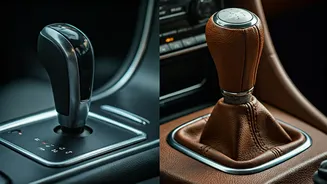
for a clutch pedal and manual gear shifts. This translates to a significantly more relaxed driving experience, especially during the often-stressful commutes through congested city streets and prolonged traffic jams. The absence of manual gear manipulation allows drivers to focus more on the road and less on coordinating their feet and hands. In stark contrast, manual cars demand a more engaged and active approach from the driver. Mastering the coordination of the clutch and gear lever, particularly at slower speeds or during frequent stops and starts, can be a steep learning curve for novices and can contribute to driver fatigue over extended periods. The manual system requires constant driver input, offering a more direct connection to the vehicle's mechanics but at the cost of simplicity and reduced comfort in stop-and-go situations.
Fuel Economy
Historically, manual transmissions held a clear advantage when it came to fuel efficiency, consistently offering better mileage. However, this gap has narrowed considerably with advancements in automotive technology. Modern automatic gearboxes have become remarkably sophisticated and efficient. Many contemporary automatic systems can now rival, and in some real-world driving scenarios, even match the fuel economy of their manual counterparts. This means that while a manual might still offer a slight edge in fuel consumption, particularly in more budget-friendly vehicle segments and when operated with skilled, efficient driving techniques, the difference is often negligible for the average driver. The improved performance of automatic transmissions means that fuel efficiency is no longer the sole deciding factor it once was when choosing between the two.
Budgetary Considerations
When considering the financial aspect of purchasing and owning a vehicle, manual cars generally present a more accessible option. They typically come with a lower upfront purchase price compared to their automatic equivalents. Furthermore, the long-term maintenance costs associated with manual transmissions tend to be less burdensome. The mechanical simplicity of a manual gearbox often translates into simpler and therefore cheaper repairs should issues arise. Automatic transmissions, on the other hand, represent a greater initial investment at the dealership. The complexity of their internal mechanisms, particularly with advanced automatic gearboxes, can also lead to more expensive repair bills if they require servicing or replacement. For individuals who are highly budget-conscious or looking to minimize expenditure on their vehicle, a manual option often proves to be the more economical choice.
The Joy of Driving
For many automotive enthusiasts, the visceral connection and control offered by a manual transmission are paramount to the driving experience. The ability to select gears precisely when desired, to downshift for engine braking, and to feel intimately connected to the car's performance provides a sense of engagement that many find exhilarating. This direct control over the vehicle's power delivery is a primary reason why a significant segment of drivers continues to advocate for and choose manual cars. Automatic transmissions, while offering supreme comfort and ease, tend to prioritize a smooth and seamless transition between gears, often at the expense of driver involvement. The focus shifts from the dynamic interaction with the car to a more passive, comfortable ride. While efficient and convenient, automatics generally don't provide the same level of dynamic feedback or the raw 'fun' factor that manual gearboxes deliver to keen drivers.
Lifestyle Compatibility
Your daily routine and intended usage of the vehicle should heavily influence your transmission choice. Automatic cars are exceptionally well-suited for individuals whose daily lives involve frequent navigation through urban environments. The reduced workload in stop-and-go traffic makes daily commutes significantly less strenuous and more comfortable. They are also an excellent choice for novice drivers still building their confidence and for older drivers who may prefer a less demanding driving experience. Conversely, manual transmissions can be particularly enjoyable and efficient for those who frequently undertake highway driving, where gear changes are less frequent. They also remain a viable option for drivers who enjoy the engagement of shifting gears or who might use their vehicle for less frequent, more recreational driving purposes. The choice hinges on whether your priority is convenience in daily commutes or a more involved driving engagement.











![[WATCH] T20 World Cup 2026: Gautam Gambhir hosts dinner for Team India players ahead of Namibia clash](https://g-mob.glance-cdn.com/public/fc/image/7gXS1xdhs5Q0.webp)