






First Aid Kit
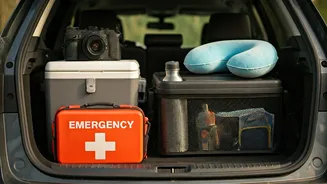
A well-stocked first-aid kit is non-negotiable for any road trip. It should contain essentials like bandages of various sizes, antiseptic wipes, sterile
gauze pads, medical tape, pain relievers, and any personal medications. Consider adding items like hydrocortisone cream for insect bites or minor rashes, and tweezers for splinter removal. Knowing you have immediate access to basic medical supplies can provide immense peace of mind, especially when traveling in remote areas where immediate medical assistance might be delayed. Regularly check expiry dates and replenish any used items before embarking on your journey. This proactive step ensures you're prepared for minor scrapes, cuts, or sudden ailments, contributing significantly to a worry-free travel experience for everyone on board.
Emergency Car Kit
Beyond basic first aid, your vehicle itself needs an emergency preparedness kit. This typically includes jumper cables, a spare tire (ensuring it's properly inflated), a jack and lug wrench, a flashlight with extra batteries, reflective triangles or flares for visibility, a basic tool kit, and a tire pressure gauge. Consider adding a portable car jump starter, which can be a lifesaver if your battery dies. A reflective vest can also be invaluable if you need to exit your vehicle on the roadside. Being equipped to handle common vehicle issues like a flat tire or a dead battery can prevent significant delays and stress, allowing you to get back on the road quickly and safely.
Navigation Tools
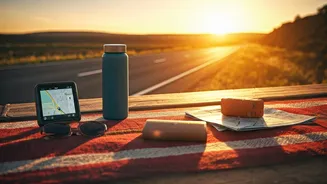
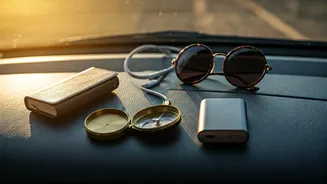
While GPS apps on smartphones are incredibly convenient, it's wise to have a backup navigation plan. This could be a reliable, up-to-date paper map of the regions you'll be traveling through, or a dedicated GPS device. Smartphone batteries can drain quickly, and signal loss is common in many areas. Familiarizing yourself with your route beforehand, even with GPS, can help you identify potential detours or alternative paths. Having a physical map can be particularly useful for understanding the broader landscape and planning stops. This multi-faceted approach to navigation ensures you won't get lost, even if technology fails you, keeping your journey on track.
Snacks and Water
Keeping hunger and thirst at bay is crucial for maintaining energy and good spirits during long drives. Pack a variety of non-perishable snacks like granola bars, dried fruit, nuts, and crackers. Opt for items that are easy to eat in the car and don't create excessive mess. Ample bottled water is essential to stay hydrated, especially in warm weather. Consider packing a reusable water bottle and a cooler to keep drinks and some perishable snacks fresh. Planning your food and drink supply in advance reduces the need for frequent, unplanned stops and ensures you have sustenance readily available, making the travel experience more comfortable and enjoyable.
Entertainment
Long hours in the car can become tedious for both drivers and passengers. Curate a selection of entertainment options to keep everyone engaged. This might include playlists of your favorite music, podcasts, audiobooks, or even classic car games. For younger passengers, consider travel-sized board games, coloring books, or downloaded movies and shows on portable devices. Ensuring there's a variety of activities can help pass the time pleasantly, reduce boredom, and make the journey feel shorter. A shared experience of fun and engagement can significantly enhance the overall enjoyment of your summer road trip.