





Pulses and Millets Powerhouse
India stands as a monumental force in the global cultivation of pulses and millets, playing an indispensable role in food security worldwide. The country's
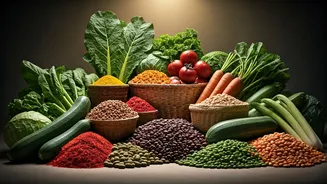
output is so substantial that it is often referred to as the 'protein bowl' of the world, largely due to its leading position in pulse production, accounting for approximately 25% of the global total. In the fiscal year 2024–25, India's pulse production reached an impressive 25.68 million tonnes, while its millet output concurrently stood at 18.59 million tonnes, solidifying its No. 1 global ranking in both categories. Key states contributing to this vast production include Madhya Pradesh, renowned as the 'pulse bowl of India,' alongside Rajasthan and Maharashtra for pulses, and Rajasthan leading significantly in millet cultivation. This widespread production ensures a consistent supply of these nutritious grains, integral to both everyday Indian cuisine and emerging global health trends.
Onion Cultivation Champion
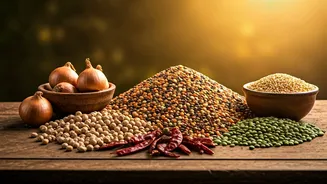
As a fundamental ingredient in kitchens across the globe, the onion finds a prolific source in India, which ranks among the top global producers. The nation contributes an estimated 25% of the world's dry onion output, underscoring its immense scale of cultivation. This vital vegetable crop is primarily grown in states such as Maharashtra, Madhya Pradesh, and Gujarat, which are central to India's substantial contribution to the global onion market. The consistent and large-scale production of onions in these regions not only meets domestic demand but also significantly influences international availability and pricing, solidifying India's position as a key player in this essential agricultural sector.
Spice Empire of the World
India's mastery over spices is not merely participation but outright global domination. Annually, the country churns out an astounding 12 million metric tonnes of spices, setting it apart as the world's largest producer. Its spice portfolio is exceptionally diverse and abundant, encompassing everything from the vibrant hues of turmeric and the piquant heat of chili peppers to the fragrant notes of cardamom and the earthy essence of cumin. This vast output transcends domestic borders, with Indian spices exported globally, generating over $4.5 billion in revenue in recent years. These aromatic treasures from India are integral to culinary traditions worldwide, influencing flavors in European, Asian, and American kitchens alike, cementing India's status as the undisputed spice capital of the globe.
Mango Production Leader
When the conversation turns to mangoes, India unequivocally holds the title of the world's leading producer. The country harvests over 20 million tonnes of this beloved tropical fruit annually, showcasing a remarkable variety of popular cultivars such as Alphonso, Kesar, and Dasheri. These succulent fruits are not only a seasonal highlight and cherished delicacy within India but also a significant export, enjoyed by consumers across the world. The sheer volume and quality of Indian mangoes underscore the country's agricultural advantage in tropical fruit production, making it a dominant force in both domestic consumption and international trade of this popular fruit.
Coconut Harvest Abundance
From the sun-drenched coastal regions to global marketplaces, India's coconut production paints a picture of immense quantity and versatility. As the foremost global producer, India yields an extraordinary 21.3 billion coconuts each year. Cultivation thrives particularly in the southern states of Kerala, Karnataka, and Tamil Nadu, where coconuts are far more than just a culinary ingredient. They represent a vital economic lifeline for countless farmers and play a crucial role in international commerce. Whether utilized in food preparations, extracted for oil, or incorporated into various consumer products, this fundamental tropical fruit significantly fuels India's economy and its standing in the global agricultural landscape.
Milk Production Giant
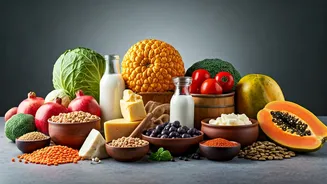
India continues its reign as the planet's largest producer of milk, a testament to its robust dairy sector. In the 2024–25 period, the nation's milk production reached an impressive 248 million tonnes. This remarkable achievement is largely attributable to the decentralized efforts of millions of small-scale farmers and an extensive, well-established dairy cooperative network operating in unison. This formidable, community-driven system has propelled India to become a true dairy superpower, establishing milk production as one of the country's most significant and celebrated agricultural successes on a global scale.
Ginger's Global Flavor
India's influence extends to flavoring cuisines and traditions worldwide through its leading production of ginger. The country is responsible for nearly 45% of the global ginger output, excelling in both the volume and quality of this pungent root. Indian ginger is a key ingredient, adding its characteristic zest to a wide array of dishes, from savory curries to invigorating teas, and is also a staple in traditional medicinal practices and wellness beverages. Its pervasive presence in kitchens and markets globally highlights the significant contribution of Indian ginger to international culinary and health sectors, truly showcasing how India spices up not just its own cuisine but the world's.
Egg Production Surge
India is significantly boosting its contribution to global nutrition through its rapidly expanding egg production. The country ranks among the leading global producers, with a consistently growing output driven by a dynamic and developing poultry industry. Eggs have emerged as a critical source of accessible protein, playing a crucial role in enhancing health and nutritional outcomes for millions across India. This substantial production underscores the humble egg's profound impact on both the nation's diet and its burgeoning economy, reflecting a success story in food production.