







India's Biodiversity Hotspots
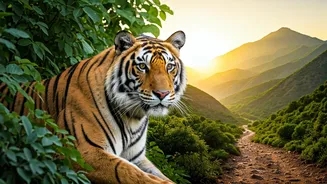
India is home to an incredible array of flora and fauna, safeguarded within its numerous national parks. These protected areas are crucial for maintaining
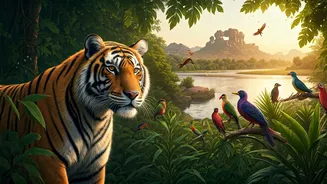
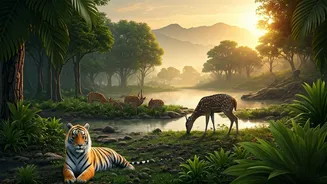
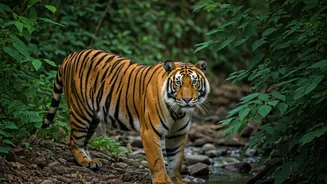
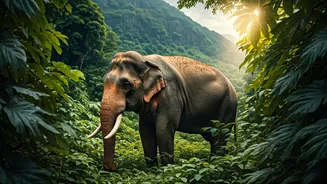
ecological balance and preserving endangered species for future generations. When examining the distribution of these vital natural reserves across the country, a specific state emerges as a leader in conservation efforts. This state boasts the highest number of national parks, signifying a dedicated approach to habitat protection and wildlife management. The extensive network of parks within this region provides sanctuary for a diverse range of wildlife, from majestic tigers and rhinos to numerous bird species and unique plant life, making it a critical hub for India's natural heritage and a significant draw for eco-tourism and scientific research. Each park offers a distinct ecosystem, contributing to the overall rich tapestry of India's natural landscape and biodiversity.
The Sacred Char Dham Journey
The Char Dham pilgrimage is one of Hinduism's most revered journeys, drawing millions of devotees seeking spiritual enlightenment and divine blessings. This sacred circuit, typically encompassing four prominent Himalayan shrines – Yamunotri, Gangotri, Kedarnath, and Badrinath – is undertaken by pilgrims from across India and beyond. In a recent period, the state of Uttarakhand, the primary location for the Char Dham yatra, witnessed an overwhelming turnout of spiritual seekers. Over 2.38 lakh devotees thronged these holy sites, a testament to the enduring faith and cultural significance of this pilgrimage. The journey itself is often arduous, involving challenging terrains and varying weather conditions, yet the spiritual rewards are believed to be immense. The significant number of pilgrims underscores the deep-rooted importance of these sacred destinations in the spiritual landscape of India, highlighting the continuous devotion and traditional practices that are passed down through generations.