



Amla Introduction and Benefits
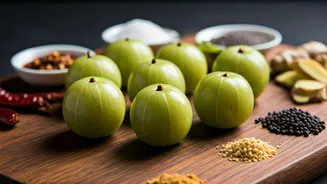
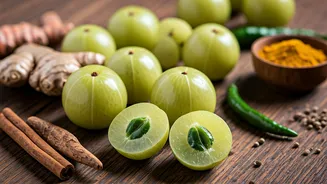
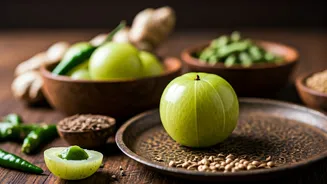
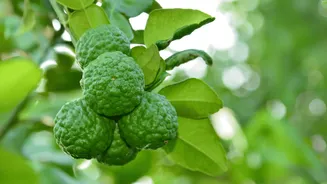
Amla, also known as the Indian gooseberry, is a nutritional powerhouse widely celebrated in traditional Indian medicine for its multitude of health benefits.
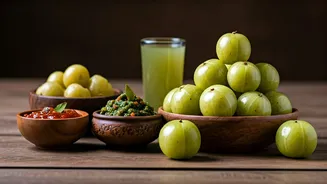
These small, green fruits are packed with Vitamin C, antioxidants, and various other essential nutrients, making them a fantastic addition to the diet, especially during winter months when the immune system requires extra support. The high Vitamin C content in amla helps strengthen the immune system, providing resistance against seasonal illnesses. Furthermore, amla is known for its ability to aid digestion, promote healthy skin and hair, and even assist in detoxifying the body. Incorporating amla into your diet can lead to enhanced overall health and well-being. Whether consumed raw, cooked, or processed, amla offers a myriad of health advantages, solidifying its place as a winter superfood.
Amla Murabba: Sweet Preserve
Amla Murabba, a sweet and tangy preserve, is a traditional Indian delicacy, especially popular during winter. This dish combines the tartness of amla with the sweetness of sugar or jaggery, creating a balanced and flavorful treat. To make Amla Murabba, amlas are first pricked and then simmered in a sugar syrup until they become soft and translucent. The syrup infuses the amlas with sweetness while also preserving them. Flavors like cardamom, saffron, and other spices are frequently added to elevate the taste. This preparation not only makes amla palatable but also locks in its nutritional properties, thus preserving them and enhancing their shelf life. Amla Murabba is often enjoyed as a dessert or a snack and is believed to aid digestion and boost immunity, making it a perfect winter indulgence.
Amla Juice: Refreshing Drink
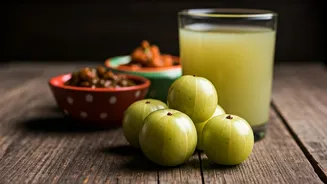
Amla juice is a popular and potent health drink, easily prepared by blending fresh amla with water. While its taste is characteristically tart and slightly astringent, it is incredibly refreshing, particularly when consumed during the colder months. Many individuals add other ingredients, such as ginger, honey, or lemon juice, to balance the flavor and amplify the health benefits. Ginger is particularly effective as it assists in digestion and adds a warming effect, making it suitable for winter. Honey not only sweetens the juice but also offers its own set of antioxidants and soothing properties. Regular consumption of amla juice can strengthen the immune system due to its high Vitamin C content, fight off colds, and potentially help boost energy levels. This juice is a simple yet powerful way to incorporate the goodness of amla into your diet.
Amla Pickle: Tangy Delight
Amla pickle is a delicious and versatile condiment, adding a tangy kick to meals. It is a popular way to preserve amla, making it accessible throughout the year. Typically, amla pickle combines amla pieces with a blend of spices, such as mustard seeds, fenugreek seeds, red chilies, and turmeric, all simmered in oil. The spices infuse the amla with rich flavors, creating a complex taste profile. There are various regional variations, each offering unique spice combinations and levels of heat. The pickle is aged to allow the flavors to meld and mature, becoming a perfect accompaniment to parathas, rice, or other Indian dishes. Amla pickle not only enhances the taste of a meal but also aids digestion, making it a flavorful and beneficial addition to any winter meal.
Amla Chutney: Flavorful Accompaniment
Amla chutney, similar to a pickle, offers a fresh and vibrant way to enjoy amla. It is a quick and simple condiment blending raw or cooked amla with ingredients like green chilies, coriander leaves, and other herbs and spices. Depending on the recipe, the chutney can vary in consistency, from a coarse paste to a smoother sauce. Green chilies add heat, while coriander leaves provide freshness and an aromatic fragrance. This chutney is typically served as a side dish or dip, enhancing the flavors of various meals. Amla chutney can complement both vegetarian and non-vegetarian dishes, adding a burst of freshness and tang. The versatility and ease of preparation make it a favorite across many households, especially during the winter season when fresh herbs and seasonal ingredients are abundant.
Amla Candy: Sweet Treat
Amla candy is a delightful and healthy treat, appealing to both adults and children. It is created by cooking amla in sugar syrup and then drying it to create a chewy candy. The sugar syrup softens the tartness of amla while preserving it, making the fruit more palatable and enjoyable. Often, spices such as cardamom, cinnamon, or ginger are added to infuse flavor. The candy can also be coated in sugar or other seasonings to enhance its taste. This candy provides a unique way to enjoy the benefits of amla, making it a convenient and tasty option for a quick energy boost. It's especially useful during winter when a sweet craving needs a healthy alternative. Amla candy not only tastes great but also retains many of the nutritional advantages of amla.
Amla Rice: Wholesome Meal
Amla rice is a simple yet nutritious dish that seamlessly integrates the goodness of amla into a complete meal. It is prepared by cooking rice with amla pulp or finely chopped amla, alongside spices and seasonings. The addition of amla imparts a subtle tang and enhances the nutritional value of the rice, making it an excellent source of Vitamin C and antioxidants. Common ingredients often include turmeric for color and its anti-inflammatory properties, and other flavorful spices such as cumin and mustard seeds. Amla rice can be enjoyed as a standalone meal or served with other accompaniments like raita or a simple vegetable curry. This dish offers a comforting and healthy way to consume amla, providing a warm and satisfying meal during the winter months, perfect for lunch or dinner.
Amla Dal: Healthy Lentil Soup
Amla Dal combines the benefits of lentils with the nutritional value of amla, resulting in a hearty and nutritious soup, ideal for a winter meal. The recipe typically involves cooking lentils with amla pulp or chopped amla, along with a medley of spices and herbs. The lentils provide a protein base, while amla adds a tangy flavor and boosts the dish's Vitamin C content. Flavors may vary, but common additions include turmeric, coriander, cumin, and sometimes a tempering of mustard seeds and curry leaves. This dish can be enjoyed as a warming soup or served with rice or roti for a complete and satisfying meal. Amla Dal offers a comforting and health-promoting option, perfect for boosting immunity and overall well-being during the winter season.
Amla Sabzi: Vegetable Delight
Amla Sabzi offers a unique twist on traditional vegetable preparations, incorporating the benefits of amla into a flavorful dish. This dish involves cooking amla with other vegetables, such as potatoes, green beans, or carrots, along with a blend of spices and aromatics. The inclusion of amla imparts a slightly tart flavor and enhances the nutritional value of the sabzi. Popular spices include turmeric, cumin, coriander, and sometimes a touch of red chili powder for heat. The dish is usually cooked with a base of onions and tomatoes, creating a rich and flavorful gravy. Amla sabzi can be served with roti, paratha, or rice, providing a nutritious and satisfying meal, perfect for a cozy winter dinner. This sabzi is a great way to introduce amla to those who may not be accustomed to its taste, as the combination of flavors masks some of its tartness.