

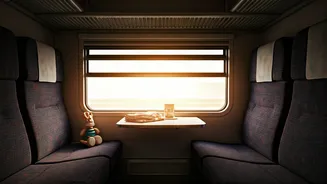
A Heritage Slowdown
In a country rapidly embracing high-speed rail, India also cherishes a unique, unhurried journey aboard the Nilgiri Mountain Railway. This isn't about
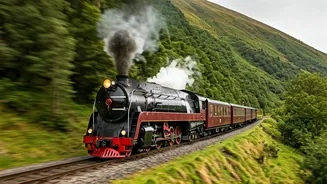
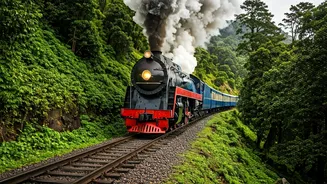
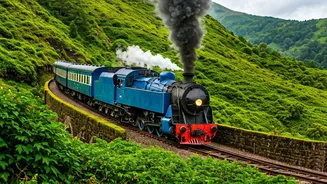
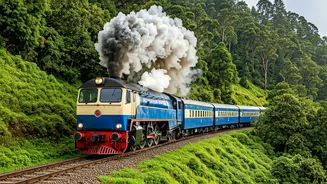
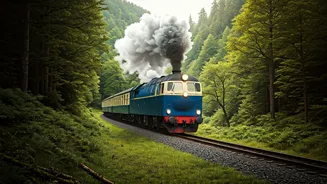
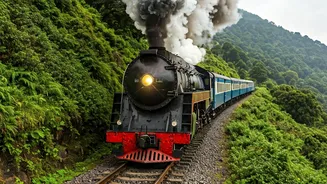
delays; it's about an experience so leisurely that passengers jest about hopping off for photos. This cherished route, affectionately known as India's slowest train, meanders through the picturesque Nilgiri Hills. Its deliberate pace is precisely what transforms the trip into a memorable adventure, weaving through mist-laden peaks, mysterious tunnels, vibrant tea gardens, and dense woodlands, etching itself as one of India's most enchanting rail excursions. It offers a rare opportunity to travel at a pace that allows for true appreciation of the surrounding natural beauty, a stark contrast to the rush of modern life. The train has become synonymous with a tranquil and immersive travel experience, making the journey itself the destination for many.
Engineering Marvels Unveiled
The Nilgiri Mountain Railway is a testament to early 20th-century engineering prowess, rightfully earning its place within the UNESCO-listed Mountain Railways of India. This route is celebrated not just for its slow pace but for the ingenious design that facilitates its ascent through steep terrain. Several factors contribute to its remarkably slow average speed of approximately 9 kilometers per hour, which allows it to complete its 46-kilometer journey from Mettupalayam to Ooty in nearly five hours. These include extremely sharp curves, significant gradients demanding careful navigation, narrow tracks specifically laid for mountain travel, and the crucial rack-and-pinion system employed on uphill sections. Furthermore, the route is punctuated by over 250 bridges, approximately 16 tunnels, and numerous winding turns, each adding to the challenge and charm of this engineering feat. It stands as one of the most exquisite examples of mountain railway construction in the nation.
Iconic Status and Charm
Beyond its engineering brilliance and slow travel appeal, the Nilgiri Mountain Railway boasts a significant cultural footprint. Its fame was amplified globally after featuring in the iconic 'Chaiyya Chaiyya' song from the film 'Dil Se'. Filmed atop the moving train, this sequence introduced the Nilgiri Mountain Railway to an international audience, cementing its legendary status. This cinematic exposure, coupled with the enduring charm of its vintage wooden coaches, sweeping vistas of the Western Ghats, and passage through largely untouched landscapes, continues to draw visitors. Even with faster road alternatives available, many travellers opt for the train purely for the immersive heritage experience it provides. It offers a nostalgic escape, a deliberate pause from the frenetic pace of contemporary existence, allowing passengers to reconnect with a bygone era of travel and the serene beauty of the mountains.
Planning Your Visit
To fully appreciate the Nilgiri Mountain Railway's scenic splendor, planning your trip around the best weather conditions is advisable. The period between October and June is generally considered ideal, offering pleasant weather and clear mountain vistas. During these months, the journey is most enjoyable, with minimal disruptions. The monsoon season, while transforming the landscape into a lush, verdant spectacle and offering dramatic misty views, can sometimes lead to travel delays due to heavy rainfall. Travelers can commence their journey from Mettupalayam, which is conveniently accessible via air, rail, and road. The nearest airport is Coimbatore International Airport, and Mettupalayam is well-connected by train through Coimbatore to major railway networks across India. Road access is also straightforward from Coimbatore and other nearby hill stations, ensuring a smooth start to this unforgettable mountain adventure.