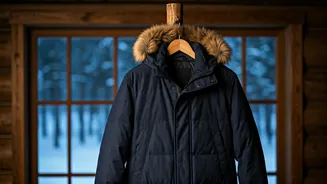

Embrace Winter Warmth
Winter jackets are more than just a layer; they are a vital shield against the elements. A well-chosen jacket provides the necessary warmth to combat freezing
temperatures, strong winds, and the occasional snowfall. Beyond functionality, the right jacket can elevate your style. There is a wide array of options, each designed to meet specific needs. Consider your daily activities and climate when choosing a jacket. If you live in a place with heavy snowfall, a waterproof and insulated parka might be ideal. Those in regions with milder winters may find a stylish bomber jacket or a well-insulated wool coat adequate. The key is to assess your individual requirements and preferences.
Parkas: Ultimate Protection
Parkas are a top choice for severe winter conditions, offering comprehensive protection from wind, snow, and cold. They typically extend to the mid-thigh or below, providing ample coverage. The best parkas are crafted with waterproof and windproof materials like nylon or polyester, often treated with durable water repellent (DWR) finishes. They feature thick insulation, such as down or synthetic fills. Down provides excellent warmth-to-weight ratio but requires careful maintenance and tends to lose insulation if it gets wet. Synthetic insulation, like PrimaLoft, offers similar warmth, even when damp, and is often more affordable. Look for features such as a hood, often lined with faux fur for extra warmth and protection. Pockets with secure closures and a robust zipper are also critical. A good parka is an investment in comfort and protection.
Puffer Jackets: Lightweight Comfort
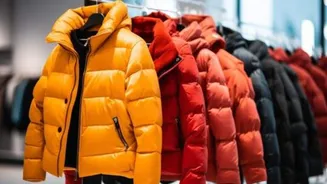
Puffer jackets are incredibly popular for their lightweight warmth and stylish appeal. These jackets get their name from their quilted design, which creates chambers filled with insulation, either down or synthetic. They are an excellent option for moderately cold temperatures and are versatile enough for everyday wear. Down-filled puffers are exceptionally warm and pack down small, making them ideal for travel. However, they are prone to losing their loft if they get wet. Synthetic puffers are a practical alternative. They are less expensive, retain insulation when wet, and are often easier to care for. Look for a jacket with a high fill power (for down) or a high insulation weight (for synthetic) to ensure optimal warmth. Features to consider include a hood, zippered pockets, and adjustable cuffs for added comfort and protection.
Bomber Jackets: Stylish Edge
Bomber jackets combine style and practicality, making them a trendy choice for milder winter weather. They typically feature a waist-length design with ribbed cuffs and a hem. The classic bomber jacket is made from durable materials like nylon or leather, often with a quilted lining for added warmth. In winter, bomber jackets can be insulated with various fills, including down or synthetic materials. They provide a sleek, streamlined look, suitable for casual and semi-formal occasions. Leather bomber jackets add a touch of sophistication but require special care. Nylon bombers are more water-resistant and easier to maintain. Pay attention to the insulation type and weight to ensure the jacket provides adequate warmth for your local climate. Pair a bomber jacket with jeans and boots for a casual yet stylish outfit.
Wool Coats: Timeless Elegance
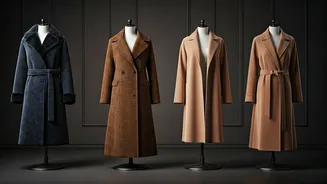
Wool coats provide a classic, elegant style for the winter months. They are available in various styles, from single-breasted to double-breasted designs. Wool offers excellent insulation properties and is naturally water-resistant. The density of the weave and the type of wool influence its warmth and durability. A wool coat is an excellent choice for work and formal events. Look for a coat made from a high-quality wool blend for the best combination of warmth, durability, and value. Consider the coat's length, fit, and style to match your personal preferences and wardrobe. A well-fitted wool coat can last for years and remains a timeless staple in any man’s closet. Ensure the coat fits well over other layers, and choose classic colors like navy, black, or grey for maximum versatility.
Key Features to Note
When selecting a winter jacket, pay close attention to several critical features. First, consider the outer material. It should be water-resistant and windproof, especially for areas with frequent rain or snow. Look for jackets treated with a DWR finish, which causes water to bead up and roll off the fabric. The insulation is another important factor; down provides superior warmth for its weight but requires more maintenance, while synthetic insulation offers similar warmth and performs well even when wet. Hoods provide added protection from the elements, and zippered pockets keep valuables secure. Adjustable cuffs and a hem allow you to seal out cold air, increasing warmth. A quality zipper is also important for durability and ease of use. Consider these features when narrowing down your options to ensure you choose a jacket that meets your needs.
Maintaining Your Jacket
Proper care ensures that your winter jacket lasts for many seasons. Always follow the manufacturer’s care instructions. Down jackets require specialized cleaning, often dry cleaning, or using a specific down wash to preserve their insulating properties. Synthetic jackets are generally easier to care for and can often be machine-washed and tumble-dried. Regularly inspect your jacket for any damage, such as tears or worn seams, and repair them promptly. Store your jacket in a cool, dry place when it's not in use. Avoid storing it in a compressed state, as this can damage the insulation. To revitalize water repellency, you may need to reapply a DWR treatment to the outer fabric. With proper care, your winter jacket will keep you warm and stylish for years to come.