




Economy's Shrinking Footprint
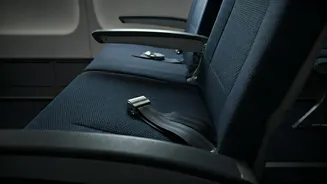
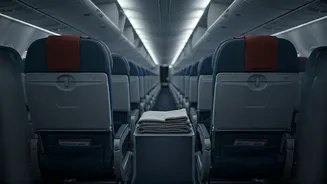
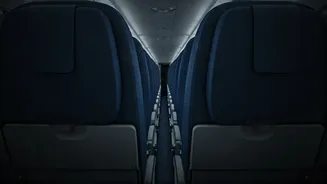
A noticeable transformation is occurring within the economy cabins of passenger aircraft, characterized by a steady reduction in the size and comfort of seating.
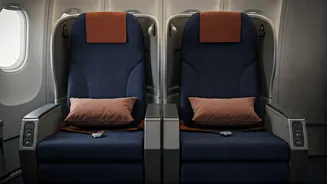
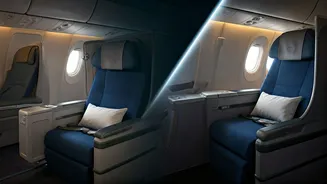
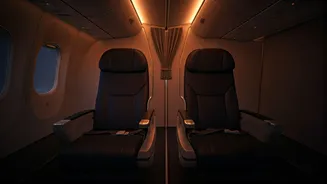
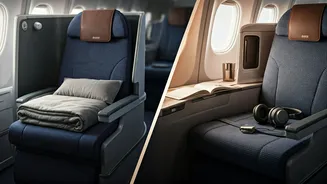
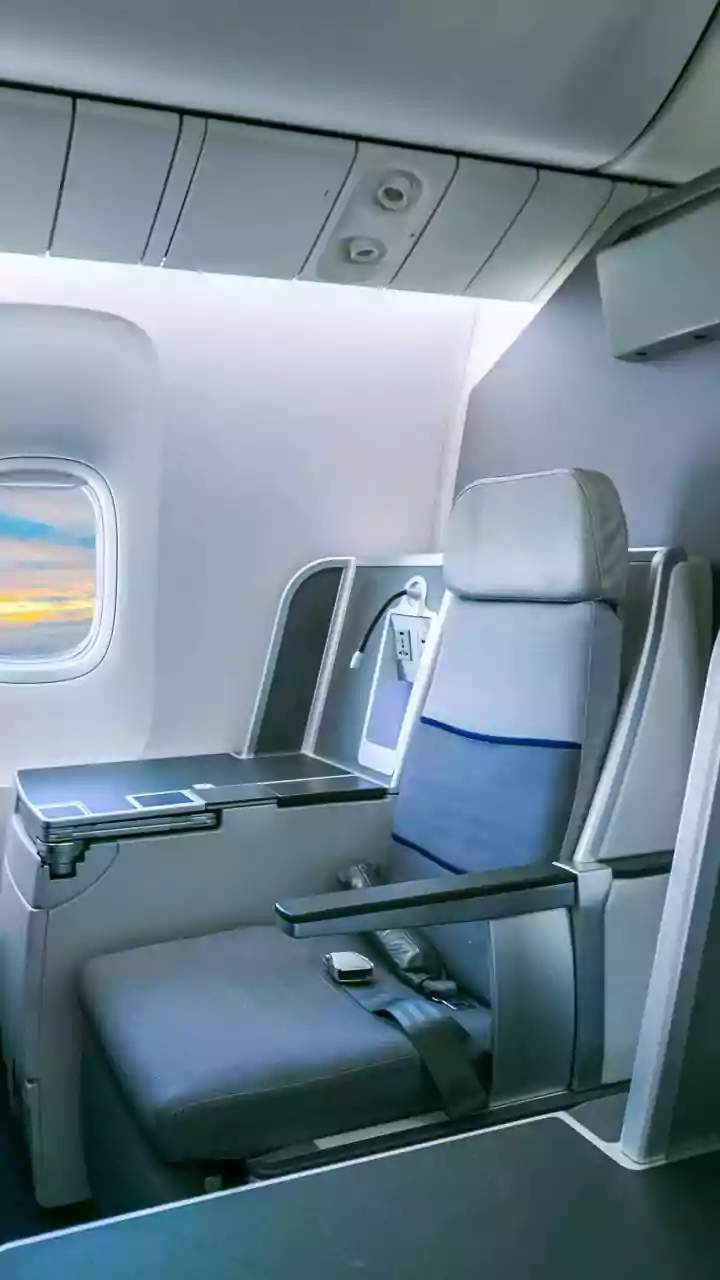
Airlines are strategically reconfiguring their planes, both through retrofitting existing fleets and acquiring new models, to accommodate a greater proportion of premium seating options. This shift is fundamentally driven by the pursuit of enhanced revenue per flight. By offering more seats that provide enhanced features like lie-flat capabilities and increased legroom, carriers are catering to a segment of travelers willing to pay a premium for a more comfortable journey. This strategic redistribution of cabin space means that standard economy seats are often becoming narrower, with diminished legroom, directly impacting the overall passenger experience. The trend reflects a broader industry objective to maximize financial returns from each available seat.
The Premium Cabin Power Play
The strategic expansion of premium cabins is a deliberate move by airlines to significantly bolster their financial performance. Carriers are actively investing in new aircraft and refurbishing existing ones to dedicate more space to first-class, business-class, and premium economy sections. These higher-tier seats can command prices that are, at minimum, double that of standard economy seats, while occupying only a marginally larger physical footprint on the aircraft. For larger airlines, this strategy also serves to subsidize economy class fares, allowing them to maintain competitive pricing against low-cost carriers. Data from January 2020 onwards indicates a substantial increase in scheduled business and first-class seats on domestic flights, growing by 27%, which significantly outpaces the 10% rise in scheduled economy seats during the same period. This focus on premium offerings has demonstrably contributed to enhanced profitability for airlines that have embraced this model.
Passenger Perceptions and Choices
The evolving cabin configurations are not going unnoticed by travelers, many of whom are actively adapting their booking habits. Passengers like Luke Vanderberg, who stands at 6 feet 3 inches, find standard economy seats increasingly challenging to manage. Consequently, he often opts for premium economy, which he terms 'the previous business class,' for shorter trips. The decision to upgrade further, even to full business class, is typically weighed against the cost, with passengers considering whether the expense is justifiable for the added comfort, especially on longer flights where sleep is a priority. The significant price difference between standard and premium seats can sometimes be substantial enough to fund other purchases, such as a new laptop, leading passengers to question if enduring a few hours of discomfort is a worthwhile trade-off for considerable savings.
Future of Air Travel Division
The ongoing trend of shrinking economy cabins and expanding premium sections points towards a potential future of air travel characterized by a more pronounced division between passenger experiences. As airlines continue to prioritize revenue generation through premium offerings, the standard economy experience may become increasingly utilitarian and less comfortable. This could lead to a more stratified travel environment where the ability to fly comfortably is increasingly dependent on a passenger's willingness and ability to pay a higher fare. While airlines aim to maximize profits, the impact on passenger satisfaction in the economy class is a growing concern, suggesting a future where comfort in the skies might become a luxury rather than a standard expectation for all travelers.