



![T20 World Cup 2026: Sam Billings shares bold predictions ahead of mega event, locks India to finish runners-up [Exclusive]](https://g-mob.glance-cdn.com/public/fc/image/2mhQZBogkxh0.webp)
Origins of Divination
Tarot's origins remain shrouded in mystery, with roots possibly tracing back to 15th-century Italy. Initially, tarot was not used for divination, but as a card
game, similar to bridge. The cards gained mystical associations over time. The symbolism and esoteric knowledge associated with the tarot were later formalized. The earliest decks served recreational purposes, transforming slowly through cultural influences. Over centuries, tarot's potential evolved into a system utilized for insight and guidance. It evolved from gameplay into a tool used for self-reflection and spiritual practices, a journey reflecting the evolving human need for meaning.
The Deck's Structure
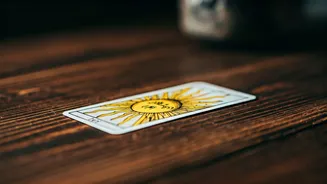
A standard tarot deck consists of 78 cards, divided into two primary sections: the Major Arcana and the Minor Arcana. The Major Arcana, comprising 22 cards, represents significant life lessons and archetypal figures like The Fool, The Lovers, and The Death card. Each card depicts a distinct stage or lesson in the journey of life, such as birth, death, love, and transformation. The Minor Arcana mirrors a standard playing card deck with four suits: Wands (representing fire and creativity), Cups (representing water and emotions), Swords (representing air and intellect), and Pentacles (representing earth and material matters). These suits each contain ten numbered cards and four court cards: Page, Knight, Queen, and King. The Minor Arcana shows nuances of daily life and challenges.
Deciphering the Arcana
Each card in the Major Arcana holds unique symbolism. For example, The Fool represents new beginnings and taking risks, while The Lovers embodies choices and relationships. The Hermit suggests introspection and seeking inner wisdom. The Death card often symbolizes transformation and endings rather than physical death. The Minor Arcana uses suits to give more specific context. The suit of Wands relates to passion and work. The Cups are linked to emotions and love. The Swords deal with intellect and conflicts. The Pentacles involve material wealth, career, and stability. When looking at tarot, the cards and their meanings, combined with the reader's intuition, can produce a meaningful reading for those involved in tarot reading sessions.
Reading the Cards
Tarot card readings use various layouts, from the simple one-card draw to more complex spreads. The layout of the spread is determined by the question or area of focus. A reading may provide a simple look into the past, present, and future, or it can uncover complex themes and situations. The cards are shuffled, and the reader draws a number of cards based on the spread being used. Each card's position in the spread relates to a specific aspect of the question. The reader interprets the symbolism in context of the positions of each card, with other cards adding layers of meaning. Intuition and personal connection with the cards is key to a good tarot reading.
Beyond Divination
Tarot's value extends past simple fortune-telling. Many people employ tarot for self-reflection and to gain perspectives on personal challenges. Tarot helps in exploring emotions, understanding relationships, and making informed decisions. By engaging with the symbols and messages presented in the cards, individuals gain greater clarity and self-awareness. It acts as a mirror, helping to understand one's inner world and life’s circumstances. The cards encourage critical thinking and introspection. The tarot can be a powerful tool for personal growth. Tarot offers insight into the human experience and guidance toward a life of awareness.