




New Year's Dawn
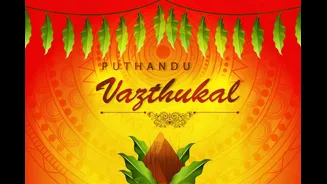
Puthandu, the vibrant Tamil New Year, is set to grace us on Tuesday, April 14, 2026. This auspicious day heralds the commencement of Tamil Shaka Samvata
1948, precisely at 09:39 AM, marked by the significant Sankranti moment. This transition signifies the sun's movement into the zodiac sign of Aries, a celestial alignment deeply rooted in Tamil tradition and agricultural cycles. It's a time when the state of Tamil Nadu, along with Tamil communities globally, embraces a fresh beginning, symbolizing renewal and the promise of prosperity for the year ahead. The precise timing underscores the astrological and calendrical importance of this celebration, connecting it directly to ancient observations of the cosmos and the rhythm of the seasons.
Echoes of Antiquity
The historical tapestry of Puthandu stretches back to the esteemed Sangam period, a time of immense cultural flourishing in Tamil history, roughly between 300 BCE and 300 CE. This ancient festival was intrinsically linked to the agricultural calendar, designed to herald the harvest season. The month of Chithirai, when Puthandu falls, embodies growth and rejuvenation, mirroring the bountiful harvest of crops, especially in the fertile plains of Tamil Nadu. More than just a seasonal marker, it represents a pivotal solar transition, as the sun enters Aries, aligning perfectly with the start of the Tamil lunar year. This moment is considered exceptionally auspicious for setting new intentions, honoring ancestral traditions, and invoking blessings for abundance and well-being throughout the ensuing year.
April's Rhythmic Arrival
The observance of Puthandu in April holds a unique place among regional new year festivities. Unlike festivals like Ugadi in Andhra Pradesh and Telangana or Poila Baisakh in West Bengal, Puthandu's timing aligns closely with the solar equinox, marking the commencement of the agricultural year. This opportune moment provides the Tamil people with a natural juncture to reflect on the experiences of the past year, to consciously release any lingering negativity, and to embark on the new year with revitalized optimism and enthusiasm. This specific timing emphasizes the festival's connection to nature's cycles and the agricultural heart of Tamil culture, making it a deeply ingrained and meaningful celebration.
Joyful Traditions Unfold
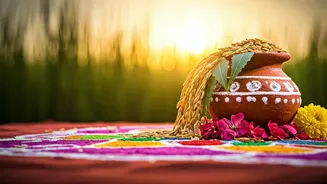
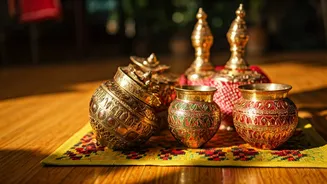
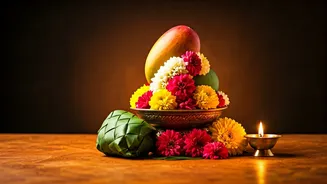
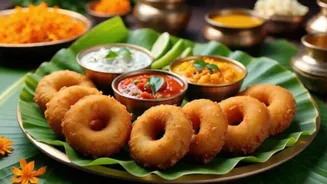
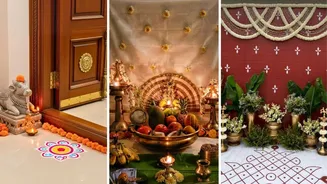
Puthandu celebrations are a symphony of vibrant customs, often beginning the evening prior. Homes are adorned with intricate Kolam designs, beautiful patterns drawn with colored rice powder, believed to invite good fortune. A central element is the 'Puthandu Tray,' laden with symbolic items like fruits, flowers, coins, and a mirror, presented before deities to seek blessings. The festival day itself commences with a purifying herbal or turmeric bath, cleansing the body and spirit. Families then visit temples, particularly Kovils, to offer prayers and receive blessings from elders. The warm greeting, 'Puthandu Vazthukal,' is exchanged with loved ones. Culinary delights are paramount, with special dishes like mango pachadi, vatha kuzambu, sundal, and payasam prepared, each ingredient symbolizing the sweet and bitter facets of life, advocating for balance in the year ahead.
Deep Cultural Resonance
Puthandu transcends being merely a new beginning; it serves as a profound occasion for introspection on life's journey, for formulating personal resolutions, and for reinforcing familial ties. It is a day dedicated to celebrating the rich cultural heritage of the Tamil people, acknowledging their deep agrarian roots, and expressing gratitude for the fruits of their labor. This festival is a powerful affirmation of identity, connecting generations through shared rituals and values, and underscoring the importance of community, tradition, and a harmonious relationship with the land. The collective spirit of Puthandu reinforces cultural continuity and fosters a sense of shared identity and belonging.