
Essential Winter Jackets
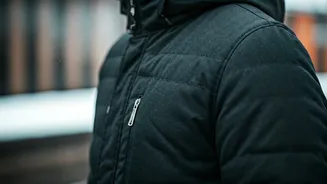
Winter jackets are essential to weather the cold, and the ideal choice depends on factors like climate and personal style. For mild winters, a quilted
jacket or a light parka might suffice, offering sufficient warmth and ease of movement. However, when faced with extreme cold, a heavy-duty parka with features like a fur-lined hood, waterproof materials, and high insulation is more suitable. These jackets are designed to trap body heat effectively, keeping you warm even in sub-zero temperatures. Consider the jacket's fill power; a higher fill power generally means more warmth and insulation. Also, examine the materials and construction, ensuring they are designed to withstand harsh weather conditions, including rain, snow, and wind.
Insulation Types Explained
The insulation of a winter jacket determines its warmth, with the two primary types being down and synthetic. Down insulation, typically sourced from duck or goose feathers, provides superior warmth-to-weight ratio and exceptional compressibility, making it a preferred choice for extreme cold. However, down loses its insulation properties when wet, so it's not ideal for rainy environments. Synthetic insulation, on the other hand, is made from man-made fibers, such as polyester, and it retains its insulating abilities even when wet. It's also often more affordable and hypoallergenic, making it a good choice for those sensitive to allergies or who need a durable, water-resistant option. When selecting a jacket, examine the fill power of down or the weight and construction of synthetic insulation to ensure it meets your warmth requirements.
Waterproof vs. Water-Resistant
Understanding the difference between waterproof and water-resistant jackets is critical for optimal protection in winter. Waterproof jackets are designed with a membrane that prevents water from penetrating, offering complete protection against rain and snow. They often feature sealed seams and a durable water-repellent (DWR) coating to shed water. Water-resistant jackets, in contrast, repel water to a certain degree but are not fully waterproof. They are suitable for light rain or snow but may not provide adequate protection during heavy downpours. DWR coatings cause water to bead up and roll off the fabric's surface, but over time, they can wear down. For maximum protection in wet conditions, a waterproof jacket with a high waterproof rating and features like a hood and adjustable cuffs is recommended, whereas a water-resistant jacket is suitable for drier climates or shorter periods of exposure to the elements.
Style Considerations
Besides functionality, style is a key aspect of choosing the best winter jacket for men. Consider various styles like parkas, which provide full coverage and excellent warmth, often with a fur-lined hood for added protection; these are ideal for extremely cold conditions. Puffer jackets offer warmth with a modern aesthetic, utilizing quilted sections filled with down or synthetic insulation. They are versatile for both casual and semi-formal wear. Then there are bomber jackets, which have a classic, sporty look, typically made from durable materials like nylon or leather, and provide warmth without bulk. Finally, trench coats bring a touch of sophistication, often crafted from waterproof materials and feature a belt to define the waist and provide protection from the elements. Select a style that suits your personal preference and wardrobe, ensuring it aligns with your lifestyle and the typical weather conditions you experience.
Key Features to Look For
Several features enhance the functionality of winter jackets, making them more comfortable and practical. Look for adjustable hoods, which provide added protection from wind and snow, and ensure a snug fit. Pockets are essential, and their placement and design should accommodate your daily needs, such as secure internal pockets for valuables and external pockets to warm your hands. Cuffs that can be adjusted prevent drafts from entering and help retain heat; look for options like Velcro or elastic cuffs. Zippers are another critical component; a quality jacket will feature a sturdy, weather-resistant zipper, which is particularly important for wind and water resistance. Consider features like a two-way zipper for added convenience and ventilation. Finally, check for the jacket’s breathability, which allows moisture to escape, preventing overheating and ensuring comfort during various activities.