





A Strategic Vision
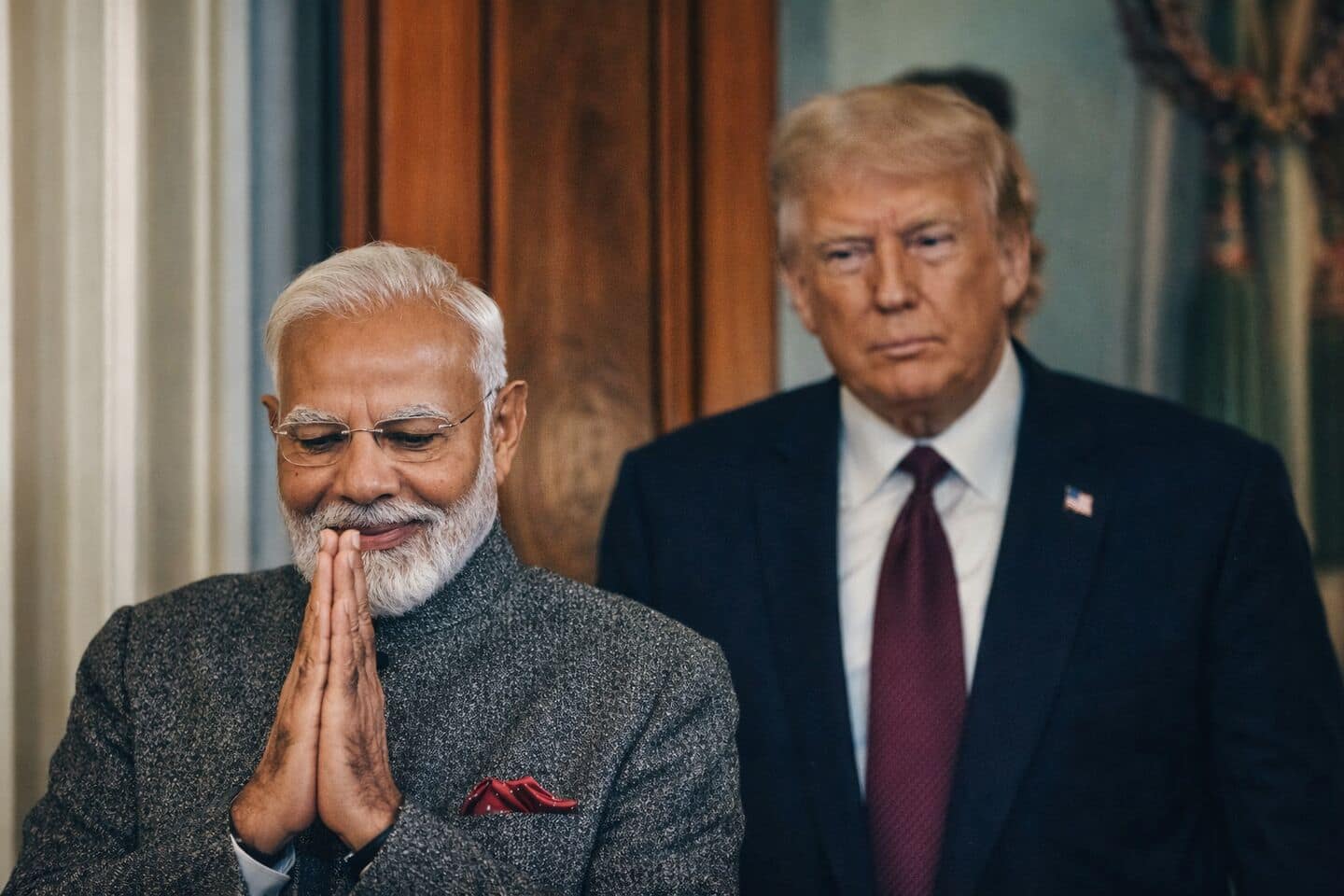
US Vice President JD Vance has brought back Donald Trump's ambitious idea of the United States exerting greater influence over Greenland, essentially reviving
a past annexation proposal. Vance articulated a clear rationale, emphasizing Greenland's critical importance to American national security. He stated that if the U.S. is responsible for the defense of such a vast territory, it is only logical that the nation should receive some form of tangible benefit in return. This perspective echoes President Trump's long-held view that acquiring Greenland would be a strategically sound move for the United States, particularly given its pivotal location in the Arctic region. The renewed focus highlights a shift in geopolitical thinking, where strategic positioning and resource potential are increasingly driving foreign policy discussions.
Historical Roots
The notion of the United States acquiring Greenland first surfaced publicly in 2019 when President Trump suggested purchasing the island from Denmark. Trump's rationale was multi-faceted, encompassing Greenland's prime Arctic location, its significant natural resources such as valuable minerals, and its considerable military defense value. However, this proposal was met with swift rejection. Denmark's Prime Minister Mette Frederiksen famously dismissed the idea as 'absurd,' and Greenland's own leadership also firmly stated that the territory was not for sale, leading to a brief diplomatic impasse that even caused Trump to cancel a planned state visit to Denmark. Despite the initial setback, the concept has been re-examined and brought back into consideration by Trump since his potential second term commencement in January 2025.
Arctic Geopolitics Emerge
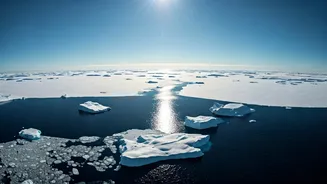
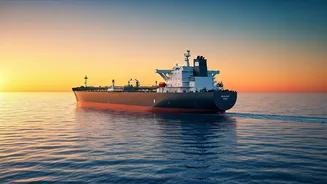
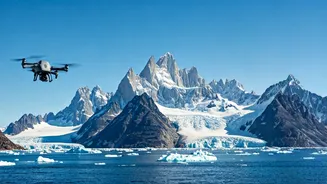
In the current geopolitical landscape, Greenland is increasingly viewed as a 'must-have' asset for U.S. security, especially with the rapidly changing Arctic environment due to climate change. As ice melts, new and vital shipping routes are opening north of Canada and Russia, presenting both economic opportunities for global trade and potential strategic risks by allowing rival powers to position military assets closer to North America. Greenland's strategic position is invaluable for the U.S. in monitoring submarine activity, tracking missiles that might traverse the North Pole, and securing critical maritime passages like the Greenland-Iceland-United Kingdom (GIUK) gap, a key choke point. This evolving Arctic theater underscores the importance of Greenland to U.S. defense strategies.
Economic and Rivalry Drivers
The revived U.S. interest in Greenland is deeply intertwined with broader national objectives, including a strategic push to counter China's growing influence in the race for rare earth minerals. Greenland's geological makeup is rich in these critical elements, which are essential for manufacturing advanced technologies such as electric vehicle batteries and sophisticated weaponry. By securing access or control over these resources, the U.S. aims to gain a competitive edge. Furthermore, this initiative seeks to proactively impede Russia and China's expanding presence in the Arctic region while simultaneously reinforcing U.S. dominance within the Western Hemisphere. This dual focus on resource acquisition and strategic containment shapes the current U.S. approach.
Diplomatic Hurdles Ahead
The recent efforts to advance the Greenland acquisition agenda have created friction with key European NATO allies, notably Denmark, which perceive these actions as undue pressure or bullying within the alliance. While discussions and negotiations are ongoing, they are fraught with significant challenges, primarily concerning the fundamental issue of sovereignty. Vice President Vance's recent public statements follow a series of high-level meetings held in January 2026 at the White House. These meetings involved U.S., Danish, and Greenlandic officials, but talks reportedly stalled due to disagreements over sovereignty, despite persistent U.S. calls for 'technical discussions' regarding acquisition. This situation underscores the delicate balance between strategic aspirations and diplomatic relations.
Cost and Control
The United States bears a substantial portion of the financial burden for defending Greenland's extensive territory. This significant investment in security is juxtaposed with the U.S.'s desire for enhanced defense control over the island. Key elements of this include the deployment of advanced missile defense systems like the Golden Dome, alongside securing access to Greenland's valuable mineral reserves. The dual pursuit of strategic defense capabilities and economic resource exploitation highlights the comprehensive nature of the U.S. interest in Greenland, aiming to leverage its territory for both national security and economic advantage.