







Global Alert Issued
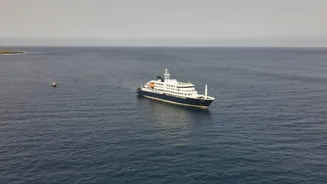
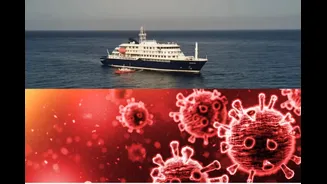
The World Health Organization (WHO) has sounded an international alarm following a concerning Hantavirus outbreak identified on the Dutch cruise ship,
MV Hondius. This vessel, which embarked on its journey from Argentina, has reported a number of confirmed Hantavirus infections, sadly including three confirmed deaths. The gravity of the situation has placed global health authorities on high alert. However, WHO Director-General Tedros Adhanom Ghebreyesus has sought to quell widespread panic, emphasizing that this outbreak, while serious, is distinct from the global COVID-19 pandemic experienced in previous years. He clarified to the press, "This is not a coronavirus; this is not a pandemic. It is not the situation the world saw six years ago with COVID-19," differentiating the nature and transmissibility of Hantavirus from that of the novel coronavirus.
Outbreak Details
As of the latest reports from the WHO, a total of eight Hantavirus infection cases have been recorded among individuals aboard the MV Hondius. Within this total, five passengers have been officially confirmed as infected with the virus, while three additional passengers are currently undergoing diagnostic tests to determine their status. Tragically, three of these cases have resulted in confirmed fatalities. The initial death occurred on April 11th, following a passenger falling ill on April 6th. Initially, this death was attributed to a common respiratory infection. However, subsequent developments, including another infected passenger's death in Johannesburg and a confirmed case in Switzerland, led to a revised diagnosis of Hantavirus. These occurrences highlight the swift and unpredictable nature of the virus's progression.
Worldwide Warning
In response to the Hantavirus outbreak on the MV Hondius, the WHO has officially notified twelve nations whose residents were passengers on the cruise ship and subsequently traveled to St. Helena. The countries receiving these advisories include the United Kingdom, the United States of America, Canada, Germany, the Netherlands, Switzerland, Singapore, and Turkey, among others. To manage the situation and conduct necessary health assessments, WHO experts and physicians from the European Centre for Disease Prevention and Control (ECDC) have already boarded the ship. These medical professionals will remain on board until the cruise ship reaches the Canary Islands, where further thorough examinations will be undertaken.
Transmission Clarified
It is crucial to understand that Hantavirus is primarily a zoonotic disease, meaning its transmission occurs from animals to humans. The principal carriers of Hantavirus are rodents, specifically rats and mice. These infected rodents disseminate the virus through their bodily fluids, including saliva, urine, and feces. Human infection typically occurs through direct contact with the excrement of infected rodents or by inhaling aerosols containing the virus, which can be released into the air when rodent droppings are disturbed. Dr. Maria, a WHO physician, has explicitly stated that Hantavirus does not spread from person to person in the same manner as SARS-CoV-2, the virus responsible for COVID-19, alleviating concerns about rapid human-to-human transmission.
India's Risk Assessment
As global attention turns to the Hantavirus outbreak associated with the MV Hondius cruise ship, medical professionals have moved to reassure the Indian public about the current risk level. Despite the WHO's alerts to several countries, India appears to be at a relatively low risk for experiencing widespread Hantavirus outbreaks at this time. As of May 7, 2026, there have been no reported cases of Hantavirus in India linked to this specific cruise ship incident. Experts point to several key factors contributing to this low risk: Hantavirus infections are characteristically localized and do not tend to spread as rapidly as respiratory illnesses like COVID-19. Furthermore, human-to-human transmission is exceptionally rare, even with strains like the 'Andes' virus, which is known to cause Hantavirus infection in humans, requiring very close physical contact to spread. All identified cases thus far are strictly travel-related, indicating no broader community transmission.