





Understanding Vishu's Essence
Vishu, celebrated on Wednesday, April 15, 2026, signifies the dawn of the Malayalam New Year and the commencement of the Medam month. It is deeply rooted
in Kerala's culture as a harvest festival, symbolizing the sun's transition into the Aries constellation, ushering in an era of renewed hope and abundant fortune. This significant occasion is observed to honor the bountiful harvest and to invite a year characterized by good luck and overall happiness into one's life. The festival transcends simple festivity, embodying a spiritual and cultural reflection on the cycles of nature and the promise of a prosperous future, making it a cherished event for the people of Kerala and its diaspora.
The Sacred Vishukkani Ritual
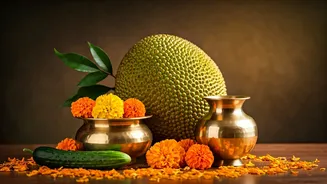
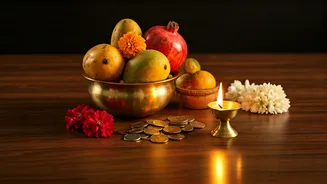
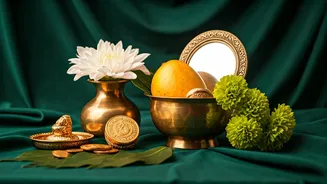
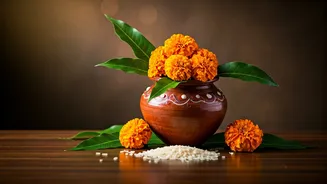
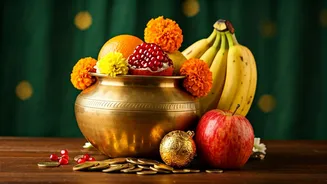
At the heart of Vishu celebrations lies the 'Vishukkani,' a sacred arrangement meticulously prepared the night before. This auspicious display typically includes items symbolizing prosperity and good fortune: raw rice, fresh fruits and vegetables, coins, gold ornaments, and importantly, the vibrant yellow Kanikonna flowers. Upon waking on Vishu morning, the first sight for individuals is this carefully curated collection, believed to bestow blessings of wealth and well-being for the entire year. The visual harmony and the symbolic meaning of each element contribute to the spiritual significance of this ritual, setting a positive and hopeful tone for the new year.
Vishukkaineetam and Festivities
Following the viewing of the Vishukkani, the tradition of 'Vishukkaineetam' takes place, a cherished ritual where elders bestow blessings upon the younger generation, primarily children, by presenting them with money, often in the form of coins. This act symbolizes good wishes and financial prosperity for the coming year. Beyond these specific rituals, Vishu is a time for familial togetherness and communal joy. Families gather to share the elaborate 'Vishu Sadhya,' a traditional Kerala feast featuring a diverse array of seasonal delicacies served on a banana leaf. The day is often punctuated with the sound of fireworks, particularly in rural settings, adding to the celebratory atmosphere and the collective spirit of welcoming the New Year with enthusiasm and shared happiness.
A Feast for the Senses: Vishu Sadhya
The culinary highlight of Vishu is undoubtedly the 'Vishu Sadhya,' a grand vegetarian feast that showcases the rich flavors of Kerala's cuisine. This elaborate spread typically includes an assortment of traditional dishes, often prepared using seasonal ingredients like jackfruit and mangoes. Core components of the Sadhya include rice served with various curries such as Avial (a mixed vegetable medley in a coconut base), Sambar (a lentil and vegetable stew), Kalan (a yogurt-based curry), Pachadi (a spiced yogurt dish), and a sweet conclusion with Payasam, a dessert made from rice or vermicelli. Presented immaculately on a banana leaf, the Vishu Sadhya is not just a meal but an integral part of the festival's cultural and spiritual observance, bringing families together to savor the bounty of the harvest and the spirit of the New Year.
The Kanikonna Flower's Significance
The bright yellow Kanikonna flower, scientifically known as Cassia fistula, holds a special place in the Vishu celebration. Its vibrant hue is intrinsically linked to the sun, a central element of the festival, and it is widely regarded as a potent symbol of prosperity and good fortune. The Kanikonna is an indispensable part of the Vishukkani arrangement, its presence signifying the arrival of the New Year and the promise of a bright, successful, and happy period ahead. Its blooming often coincides with the festival, making it a natural and beautiful emblem of renewal and the auspicious commencement of the Malayalam New Year.
Celebrating Beyond Kerala's Borders
While Vishu is deeply ingrained in the cultural fabric of Kerala, its spirit extends far beyond the state's geographical boundaries. Keralites residing in other parts of India and across the globe, particularly in regions with significant Malayali expatriate communities like the Gulf countries, actively participate in and celebrate Vishu. Although the specific customs and nuances of the celebration might see slight variations depending on the locale and the community's adaptations, the fundamental essence of the festival—marking new beginnings, prosperity, and familial togetherness—remains universally cherished and observed.
Embracing New Beginnings
Vishu serves as a profound reminder that each new beginning presents a fresh canvas for success and prosperity. The festival encourages embracing the future with optimism and gratitude, whether one strictly adheres to all traditional rituals or not. The core spirit of Vishu lies in celebrating the dawn of a new year with hope, positivity, and a sense of unity. Exchanging heartfelt wishes, spending quality time with loved ones, and fostering a spirit of togetherness are paramount. The festival's emphasis on renewal and fresh starts empowers individuals to set new intentions and look forward to a year filled with peace, happiness, and fulfillment, making it a meaningful occasion for all.