



Master Hydration Balance
Summer's intense heat dramatically accelerates soil drying, often two to three times faster than usual, which can mislead caretakers into overwatering.
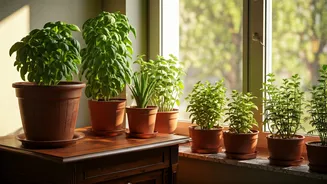
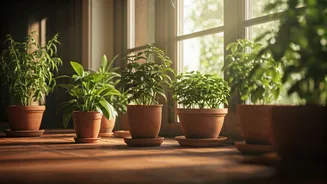
However, consistently waterlogged soil poses a significant threat to plant roots. To ensure optimal watering, employ the finger test: insert your finger approximately two inches into the soil. If it feels dry at that depth, it's time to water your plants thoroughly until excess moisture drains from the pot's base. Crucially, remember to empty the saucer 30 minutes after watering to prevent roots from sitting in stagnant water. The most beneficial time to water is early in the morning, between 6 am and 8 am. This timing minimizes water loss due to evaporation and helps circumvent the development of fungal issues that thrive in damp conditions. For better plant health, utilize room-temperature water and consider switching from plastic pots to terracotta, as these porous materials allow for superior air circulation and breathability, which is vital during warmer months.
Strategic Shade Solutions
Protect your potted plants from the sun's relentless glare, especially between the peak hours of 11 am and 3 pm, when direct sunlight can cause leaf scorch and damage. A smart approach involves relocating your plants to areas that receive partial shade, such as the eastern or northern sides of your home, or utilizing shade nets that offer around 50% light reduction. Signs of distress, like crispy or yellowing leaf edges, clearly indicate that your plants are struggling with the intensity of the sun. To combat this, try clustering your plants together; this creates a microclimate with enhanced humidity, offering a collective shield. Furthermore, regular maintenance contributes significantly to plant well-being. Dedicate time each week to gently wipe dust off the leaves using a damp microfiber cloth. This simple act not only keeps the foliage clean but also boosts photosynthesis by an impressive 20%, allowing plants to better utilize available light and nutrients.
Mulch for Moisture Retention
Implementing a 1-2 inch layer of organic mulch around the base of your plants is a highly effective strategy for conserving soil moisture during the summer. Materials like coco peat, dried neem leaves, or even crushed pistachio shells can be utilized. This protective layer acts as a barrier, significantly reducing water evaporation by as much as 30%. Beyond moisture retention, mulch also plays a crucial role in regulating soil temperature, helping to keep the plant's root system cool even under intense heat. This temperature regulation is vital for preventing heat stress. It's important to apply mulch correctly; avoid piling it directly against the plant's stem, as this can trap excess moisture and create an environment conducive to rot and disease. Properly applied mulch ensures that the benefits of coolness and moisture are delivered effectively to the roots without compromising the plant's health.
Boost Humidity Naturally
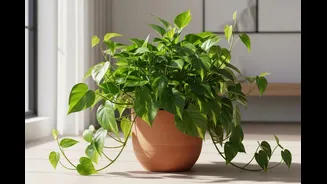
While misting leaves might seem like a good idea, it can inadvertently encourage fungal growth in humid summer conditions. A more effective and safer method for increasing local humidity involves grouping your potted plants on pebble trays filled with a shallow layer of water. As the water passively evaporates from the pebbles, it creates a more humid microenvironment around the plants, potentially raising humidity levels by up to 40%. This technique is particularly beneficial for tropical plants that thrive in moist air, such as money plants. Another aesthetically pleasing and functional approach is to place humidity-loving plants in your bathroom. The naturally high humidity levels in this space, often generated by showers, can greatly benefit these plants and even add a touch of greenery to your daily routine.
Fertilize Lightly, Prune Wisely
During the intense heat of summer, it's advisable to reduce or skip heavy fertilization. Plant roots can be more sensitive to over-fertilization when stressed by heat, and it can lead to nutrient burn. Focus instead on providing essential care and allowing the plants to recover. Pruning plays a vital role in maintaining plant health and encouraging robust growth. Regularly remove any dead, yellowing, or damaged leaves and stems. This process not only improves the plant's appearance but also helps redirect the plant's energy towards producing new, healthy foliage. Ensure you use sterilized pruning shears to prevent the spread of diseases. Additionally, keep a vigilant eye out for any insects or pests that might be colonizing the leaves; prompt removal of these unwelcome visitors is crucial for preventing significant damage and maintaining the overall health of your plants throughout the summer months.