

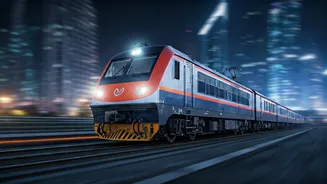
A New Era of Travel
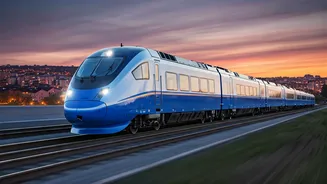
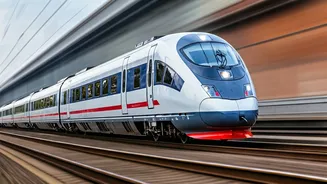
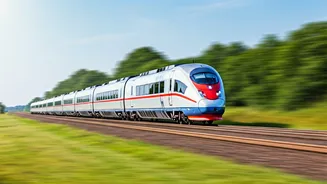
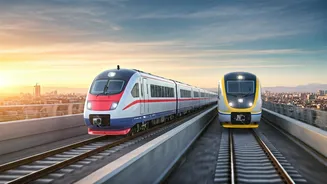
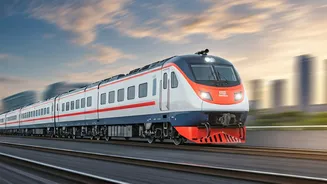
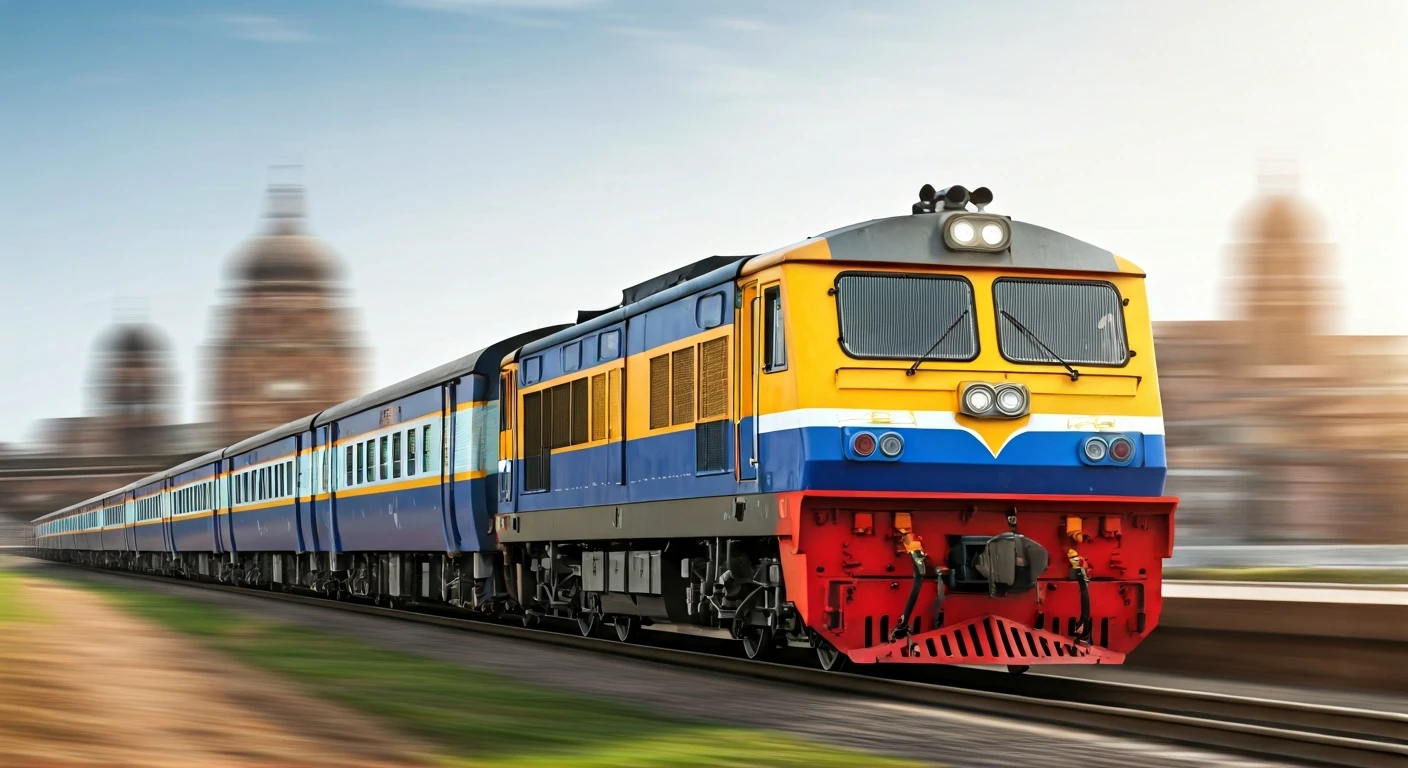
The Prime Minister recently launched India's pioneering Namo Bharat train, marking a significant milestone for the National Capital Region's (NCR) transportation
landscape. This inauguration heralds a new chapter for rapid transit systems in India, showcasing the nation's advanced engineering and design capabilities. The 17-kilometer stretch, operational between Sahibabad and Duhai Depot, is the initial phase of the expansive 82-kilometer Delhi-Ghaziabad-Meerut Regional Rapid Transit System (RRTS) corridor. This project aims to drastically simplify and enhance the daily commutes for countless individuals residing in the NCR. The envisioned network connects Delhi with surrounding urban centers like Ghaziabad and Meerut, promising a future where intercity travel is swift and efficient, fundamentally reshaping how people live and work across the region.
Transforming Commutes and Environment
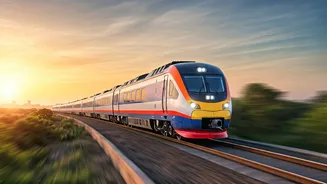
The newly operational Namo Bharat train is set to drastically cut down travel time between Delhi and Meerut by approximately half, reducing a journey that previously took 3 to 4 hours to a mere hour. Beyond the convenience for passengers, this high-speed rail initiative is also poised to make a positive impact on the environment by alleviating pollution and easing traffic congestion within the NCR. The RRTS project, spearheaded by the National Capital Region Transport Corporation (NCRTC), is designed as a semi-high-speed rail network with the capacity to reach speeds of up to 180 kmph. This ambitious project includes plans for a total of 12 corridors spanning 1,000 kilometers, connecting Delhi to key cities such as Panipat, Alwar, and Rewari, thereby stimulating economic development and generating new employment opportunities throughout the region.
Infrastructure and Funding Details
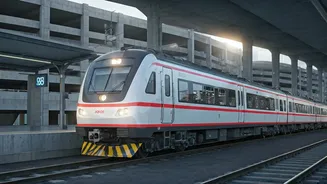
The inauguration included the unveiling of the Duhai Depot, a crucial facility tasked with housing the trains and providing essential maintenance services. The RRTS project represents a collaborative effort, funded through a joint venture involving the Indian government and the state governments of Delhi, Haryana, Rajasthan, and Uttar Pradesh. Significant financial backing for this monumental undertaking has been secured from international financial institutions, including the Japan International Cooperation Agency (JICA) and the Asian Development Bank (ADB). Specifically, approximately Rs. 9,000 crore was obtained as a loan from the Asian Development Bank, with an additional Rs. 4,500 crore each from the New Development Bank (NDB) and the Asian Infrastructure Investment Bank (AIIB). The remaining 40% of the funding is distributed among the central government (20%), the Uttar Pradesh government (16.78%), and the Delhi government (3.22%).
Integrated Transit Hubs
The Delhi-Meerut corridor is the first of several planned RRTS lines designed to enhance connectivity across the NCR. Future corridors, including the Delhi-Karnal and a segment of the Delhi-Alwar lines, are anticipated to receive approval within the current financial year. A central feature of this network is the Sarai Kale Khan station in Delhi, which serves as a vital multi-modal hub. It offers seamless integration with Hazrat Nizamuddin Railway Station, the Delhi Metro's Pink Line, the Veer Haqeeqat Rai ISBT, and the Ring Road, ensuring passengers can easily transition between different modes of transport. The trains will stop at numerous stations, including New Ashok Nagar, Anand Vihar, Sahibabad, Ghaziabad, and extend to Modipuram in Uttar Pradesh, providing extensive coverage.
Seamless Last-Mile Connectivity
The success of the Namo Bharat and Metro rail system hinges not only on the high-speed transit itself but also on robust last-mile connectivity. Experts emphasize the importance of ensuring that passengers can easily reach their final destinations after disembarking from the trains. This necessitates collaboration between city authorities to implement measures such as introducing permit systems for shared auto-rickshaws and developing well-maintained footpaths. The goal is to create a truly seamless travel experience, encouraging high passenger volumes by making the entire journey, from start to finish, convenient and efficient. This integrated approach ensures that the RRTS system becomes a fundamental part of daily life for residents.