






The Auspicious Date
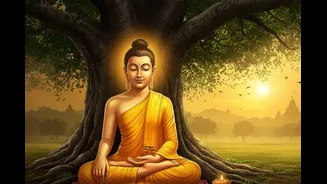
Buddha Purnima, also celebrated as Buddha Jayanti, is a profoundly significant festival for Buddhists worldwide, commemorating the birth of Prince Siddhartha
Gautam, who would later become the enlightened Buddha and the founder of Buddhism. This sacred occasion is observed across numerous countries in South, Southeast, and East Asia, including India, Nepal, Sri Lanka, Tibet, Thailand, China, and others. The festival universally falls on the full moon day of the Hindu month of Vaisakha, which typically occurs between April and May. In the year 2026, this auspicious day will be observed on Friday, May 1st, marking the 2,588th anniversary of Lord Buddha's birth. The Purnima Tithi, or the full moon phase, is set to begin at 09:12 PM on April 30, 2026, and will conclude at 10:52 PM on May 1, 2026, encompassing the entire celebratory period.
Spiritual Significance Unveiled
The day of Buddha Purnima is steeped in profound religious and spiritual importance for followers of Buddhism. It is widely believed that this very day marks the three monumental events in Gautama Buddha's life: his birth, his attainment of enlightenment under the Bodhi tree in Bodh Gaya, and the delivery of his inaugural sermon in Sarnath. The festival, also known as Vesak, serves as a critical time for reflection on Buddha's timeless teachings. These core principles include deep compassion for all beings, the practice of non-violence, the cultivation of mindfulness in daily life, and the adherence to the path that leads to ultimate enlightenment. Buddha's wisdom and guidance have profoundly influenced millions globally, offering a pathway towards achieving inner peace and harmonious living.
Pilgrimage and Beliefs
While the exact historical dates of Buddha's birth and death remain subjects of scholarly discussion, most historians estimate his life span to be between 563 and 483 BCE. His birth is traditionally placed in Lumbini, Nepal, and his passing, known as parinirvana, occurred in Kushinagar, Uttar Pradesh, at the age of 80. For Buddhists, several key pilgrimage sites hold immense significance. Bodh Gaya is revered as the very spot where Buddha achieved enlightenment. Sarnath is where he first shared his profound teachings. Lumbini, as mentioned, is his birthplace. Kushinagar is the sacred location of his final moments. In North India, there's a prevailing belief that Buddha is considered the ninth incarnation of Lord Vishnu. However, traditions vary, and in South India, Balarama is often viewed as the eighth incarnation, with Lord Krishna recognized as the ninth.
Rituals for Prosperity
Buddha Purnima transcends mere worship; it's a significant period for engaging in various rituals believed to usher in spiritual blessings and material well-being. A prominent ritual involves the Peepal tree, which is considered sacred as it is believed to host Goddess Lakshmi on this day. Offering sweet delicacies and water to the Peepal tree is a practice aimed at invoking prosperity and wealth. Another cherished ritual is Moon Puja, where offering a mixture of rice, milk, and sugar to the moon is considered highly auspicious. This act is thought to alleviate financial hardships and enhance one's fortune. For individuals facing financial constraints, a specific remedy involves offering 10 cowrie shells during the worship of Goddess Lakshmi. Post-worship, these cowrie shells are to be tied in a red cloth and kept in a safe place. To bolster the moon's influence in one's horoscope, devotees are advised to spend 15 minutes under the moonlight before commencing any important task, while simultaneously offering prayers to Lord Shiva. Engaging in yoga and meditation, especially during auspicious timings like Shiva yoga on Buddha Purnima, is believed to awaken dormant spiritual energies, foster deeper understanding, and contribute to success in life.
Reflecting and Growing
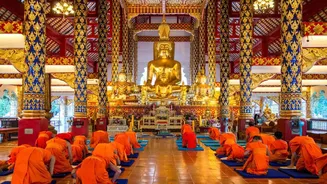
Buddha Purnima offers a unique opportunity for individuals, whether they are dedicated Buddhists or simply interested in his philosophy, to contemplate the profound path to enlightenment. It serves as a moment for those who follow Buddha's teachings to express their deep gratitude and to further nurture their spiritual practices. As you observe this sacred festival, remember the enduring wisdom of Buddha's teachings, which consistently guide us towards living a life filled with mindfulness, profound compassion, and insightful wisdom. Regardless of whether your celebration involves performing specific rituals, engaging in meditation, or simply taking time for quiet introspection, Buddha Purnima provides a sacred and conducive environment for personal spiritual development and the cultivation of inner peace.