








Shalimar Bagh, Srinagar
Nestled in the heart of Kashmir, Shalimar Bagh stands as a symbol of Mughal artistry. Constructed by Emperor Jahangir for his beloved wife Nur Jahan in 1619,
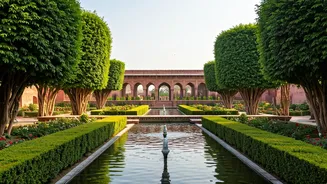
the garden is a symphony of terraced lawns, cascading fountains, and Chinar trees. The garden's design features four terraces, each with its unique significance, and a central water channel that enhances the visual appeal. The interplay of water, greenery, and architecture creates a serene atmosphere, making it a must-visit destination. The garden’s beauty is heightened during the spring season when the flowers are in full bloom, attracting tourists worldwide. Shalimar Bagh stands as an epitome of Mughal gardening, celebrating beauty and love.
Nishat Bagh, Srinagar
Also located in Srinagar, Nishat Bagh offers another perspective on Mughal garden design. Designed by Asaf Khan, the brother of Nur Jahan, this garden slopes down towards the Dal Lake, providing panoramic views. The garden's layout is characterized by a series of terraces, each leading to the lake, creating a sense of progression and visual drama. Nishat Bagh is known for its exquisite flowerbeds, lush foliage, and the reflective waters of the lake, which add to its allure. Visitors can explore various pavilions and structures while enjoying the peaceful ambiance. The garden provides a perfect blend of natural beauty and architectural brilliance, making it one of Kashmir’s gems.
Chashme Shahi, Srinagar
Chashme Shahi, meaning 'Royal Spring,' is another jewel in Srinagar's crown. This garden was built by Ali Mardan Khan in 1632, and is famous for its natural spring that is believed to have medicinal properties. The garden has a single-terrace design with strategically placed fountains and pavilions. Chashme Shahi is known for its beautiful views of the Zabarwan Mountains and the Dal Lake, which makes it a favorite spot among tourists. The garden's simple yet elegant design, combined with the refreshing spring water, gives visitors a rejuvenating experience. The tranquil atmosphere and picturesque views make Chashme Shahi a must-visit destination for those seeking peace and natural beauty.
Yadavindra Garden, Pinjore
Yadavindra Garden, located near Chandigarh, is a classic example of Mughal garden architecture. Also known as Pinjore Garden, it was constructed in the 17th century by Fidai Khan. The garden is laid out in seven terraces, each with different features, including pavilions, fountains, and water channels. The design integrates the natural landscape and the architectural elements, enhancing the overall visual experience. Yadavindra Garden, with its harmonious blend of structures and nature, serves as a popular location for cultural events. The garden is a perfect place for relaxation and enjoyment, showcasing the creativity of the Mughal era.
Taj Mahal Garden, Agra
The Taj Mahal, an iconic symbol of love, features a magnificent garden that complements the mausoleum's beauty. The garden is designed with a symmetrical layout, incorporating walkways, fountains, and reflecting pools. The Charbagh style, which divides the garden into four quadrants, is a prominent feature. The garden enhances the experience of visiting the Taj Mahal. The well-maintained greenery and the reflection of the Taj Mahal in the central pool offer a spectacular sight. This garden represents perfect balance of architecture and natural beauty, making the Taj Mahal a unique monument.
Humayun's Tomb Garden, Delhi
Humayun's Tomb in Delhi is surrounded by a beautiful garden that showcases the elegance of Mughal design. The garden, also built in the Charbagh style, is characterized by its symmetrical layout, water channels, and walkways. It provides a peaceful setting around the tomb, creating a visual harmony. The garden features various plants, trees, and flowers that add to its charm. The Humayun's Tomb Garden stands as a model of Mughal architecture, offering a glimpse into the past. It showcases the Mughal emperors' appreciation for beauty and elegance.
Mehtab Bagh, Agra
Located across the Yamuna River from the Taj Mahal, Mehtab Bagh offers a unique perspective on this iconic monument. This garden provides a breathtaking view of the Taj Mahal. The garden's design is simple yet effective, emphasizing the beauty of the Taj Mahal. Mehtab Bagh is often favored as a spot to view the Taj Mahal during sunrise and sunset. This garden, with its serene ambiance, is ideal for enjoying the Taj Mahal's timeless beauty.
Ram Bagh, Agra
Ram Bagh, also in Agra, is considered one of the earliest Mughal gardens in India. It was built by Emperor Babur, the founder of the Mughal Empire. The garden has a simple layout with water channels, fountains, and greenery. The garden has historical importance and provides a glimpse into the early Mughal gardening styles. This is a tranquil setting for visitors to relax and enjoy the environment. It is a peaceful place in Agra, exhibiting the Mughal's love for beauty.
Lal Bagh, Bangalore
Though not a traditional Mughal garden, Lal Bagh in Bangalore does feature Mughal influences in its design. This garden has a diverse range of flora and fauna, alongside architectural structures. Lal Bagh incorporates elements from various styles, making it a unique place. It displays a variety of trees, plants, and flowers, along with historical structures that provide an exciting experience. Lal Bagh is a place that everyone can enjoy and is a prime destination for recreation.
Khusro Bagh, Prayagraj
Khusro Bagh, located in Prayagraj, is a significant Mughal garden containing the tombs of Khusrau Mirza, Jahangir's son, and other family members. The garden combines Mughal architecture with Indian design elements, forming a special experience. This garden presents a tranquil place for reflection and exploration, with a beautiful display of structures, and tombs. Khusro Bagh reflects the Mughal Empire's architectural influence and remains a site to explore.