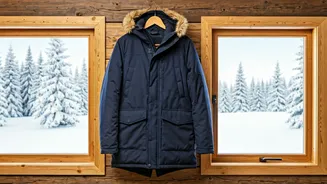








Parkas: Ultimate Warmth
Parkas are a top choice when the winter chill bites hard. These jackets are designed with extreme cold in mind, typically featuring a long length that
extends below the hips, providing extra coverage. They usually incorporate a hood often trimmed with faux fur for added protection against wind and snow. The insulation is key; down or synthetic fills are common, with down offering superior warmth-to-weight ratio. Consider the shell material; it should be water-resistant or waterproof to shield against moisture. Many parkas also have features like multiple pockets for storage, adjustable cuffs, and a drawstring waist to trap warmth. Look for a parka with a high fill power if you prioritize maximum insulation; this rating indicates the loft and insulating ability of the down. For Indian winters, a parka can handle sub-zero temperatures, making it a reliable option for colder regions.
Puffer Jackets: Lightweight Comfort
Puffer jackets are incredibly popular, celebrated for their lightweight warmth and stylish appearance. Characterized by their quilted design, they use insulated chambers filled with down or synthetic materials. These chambers trap air, providing a layer of insulation that keeps you warm. Puffer jackets come in various styles, from lightweight options suitable for milder winters to heavily insulated versions designed for more extreme cold. They are generally less bulky than parkas, making them a good choice for those who value mobility. The shell material usually offers water resistance, shielding against light rain and snow. When choosing a puffer jacket, consider the fill type, the fill power (for down), and the overall weight. A good puffer jacket is versatile enough to be worn in various settings, from casual outings to outdoor activities. Puffer jackets offer a balance of functionality and fashion.
Overcoats: Classic Elegance
For a touch of sophistication, the overcoat is a timeless option. These long coats usually extend to the mid-thigh or knee, offering ample coverage and a polished look. Overcoats are typically made from wool, cashmere, or a blend of materials for warmth and durability. They come in various styles, including the classic single-breasted and the more formal double-breasted design. The quality of the fabric is crucial; look for a tightly woven material that resists wind and cold. Overcoats often feature a tailored fit, which enhances the overall appearance. They typically have a lining for added insulation and comfort. Consider the weight of the coat; a heavier wool coat will provide greater warmth, while a lighter blend might be suitable for milder winter days. An overcoat can be effortlessly paired with formal or casual attire, making it a versatile addition to any winter wardrobe.
Material Matters
The material of your winter jacket significantly impacts its warmth, durability, and weather resistance. Wool is a classic choice, known for its excellent insulation properties and natural water resistance. It also provides a stylish appearance. Synthetic materials, like polyester and nylon, are often used for their durability, water resistance, and affordability. They can also be made to mimic the look and feel of natural fibers. Down is a premium insulation material, known for its exceptional warmth-to-weight ratio; however, it loses its insulation capacity when wet, so ensure it has a water-resistant shell. Synthetic insulation, such as Primaloft or Thinsulate, offers a good alternative, especially in wet conditions as they retain warmth even when wet. The outer shell should ideally be water-resistant or waterproof, especially for areas that experience rain or snow. Pay attention to the fabric's breathability; a breathable fabric allows moisture vapor to escape, preventing overheating during physical activities.
Insulation Explained
The insulation of a winter jacket determines how effectively it traps heat and keeps you warm. Down insulation is rated by fill power, with higher numbers indicating better insulating ability. However, down can be expensive and loses its insulating properties when wet. Synthetic insulation provides a cost-effective alternative that retains its warmth even when damp. Consider the insulation weight, which is measured in grams per square meter (GSM). A higher GSM typically means a warmer jacket, though it can also add bulk. Different insulation types have pros and cons. Down offers the best warmth-to-weight ratio, while synthetic insulations dry faster and are better suited for humid climates. Jackets often combine insulation with other features, such as windproof and waterproof shells, to provide comprehensive protection. Insulation choice should align with the climate; heavier insulation is needed for colder regions, while lighter insulation can suffice in milder Indian winters.
Fit and Features
The fit of your winter jacket affects both its comfort and functionality. A well-fitting jacket allows for layering; it must be roomy enough to accommodate sweaters or extra layers. Consider the length; longer jackets offer greater warmth and coverage, while shorter jackets provide more mobility. Pay attention to the features. Hoods are essential for protecting your head and face from the elements. Pockets are vital for storing essentials, and they should be accessible and secure. Adjustable cuffs and a drawstring waist help trap warmth. Look for a jacket with a two-way zipper, which provides ventilation and allows for easier movement. Consider jackets with reflective elements for visibility in low-light conditions. Ensure the jacket's overall design suits your lifestyle; if you're active, prioritize features that enhance movement and breathability. A well-fitting jacket with appropriate features will enhance your winter comfort and performance.
Styles and Designs
Winter jackets come in a wide range of styles and designs, allowing you to choose one that complements your personal taste and the occasion. Parkas, with their long length and often fur-lined hoods, offer maximum protection against cold weather. Puffer jackets, with their quilted design, are versatile and come in various styles, from slim-fit to oversized. Overcoats exude elegance, ideal for formal or semi-formal occasions. Consider the color and design. Neutral colors, like black, navy, and olive, are versatile and can be paired with anything. Bright colors or patterns can add a pop of personality. The details, such as the type of zipper, the style of pockets, and the presence of embellishments, affect the overall look. Select a style that suits your personal style; a minimalist jacket suits those who prefer simplicity, while a jacket with multiple pockets and features suits individuals who value functionality. Your jacket is a statement piece, so choose one that reflects your personality.
Where to Shop
Numerous retailers offer a diverse selection of winter jackets. Popular online marketplaces provide a vast range of options, allowing you to compare prices and read reviews. Local department stores and specialty outdoor retailers also provide a chance to try on jackets before purchasing them. Consider the reputation of the retailer. Choose retailers known for their quality products and good customer service. Read reviews before buying to ensure the jacket meets your expectations. Take advantage of seasonal sales and promotions, often occurring towards the end of the season. Before visiting a store, check the website and see what jackets are available. This will help save time and enable you to try on a few selected styles when you visit. Compare prices and features among different retailers to find the best deal. Buying from reputable retailers will guarantee that you get a good quality jacket that meets your needs.
Care and Maintenance
Proper care ensures that your winter jacket lasts longer and performs optimally. Always read the care instructions on the label. Many jackets can be machine-washed, but be sure to use a gentle cycle and a mild detergent. Down jackets require specialized cleaning; consider using a down-specific detergent or taking them to a professional cleaner. Avoid using bleach or fabric softeners, as these can damage the fabric and insulation. Dry your jacket properly. Air-dry down jackets to prevent clumping of the down or tumble-dry them on a low heat setting with dryer balls to restore loft. Store your jacket in a cool, dry place when not in use. Avoid storing it in a compressed state, as this can affect the insulation. Repair small tears or damages immediately to prevent them from spreading. With proper care, your winter jacket will provide warmth and style for many seasons to come.