





A Sanctuary's Soul
Nestled within the ancient Satpura ranges, approximately 60 million years in the making, Satpura National Park in Madhya Pradesh unfolds as a realm of
profound natural beauty. Its landscapes are dramatically sculpted by towering hills and diverse soil compositions, ranging from sandy ochre to rich volcanic earth, fostering an astonishing variety of life. This park offers an escape into tranquility, where the calls of nature replace the urban clamor. Imagine witnessing sambar deer grazing serenely in sunlit clearings as morning mist dissipates, or agile langurs effortlessly navigating the dense canopy. The air is alive with the gentle rustle of leaves and the distant calls of unseen creatures. The park's very essence is its quietude, inviting visitors to reconnect with the primal rhythms of the wild. Sunrise and sunset paint the dramatic geological formations in hues of gold and amber, highlighting the park’s majestic allure and inviting exploration into its depths, promising an experience that resonates deeply with the soul of a nature enthusiast, far removed from the everyday.
Pioneering Eco-Consciousness
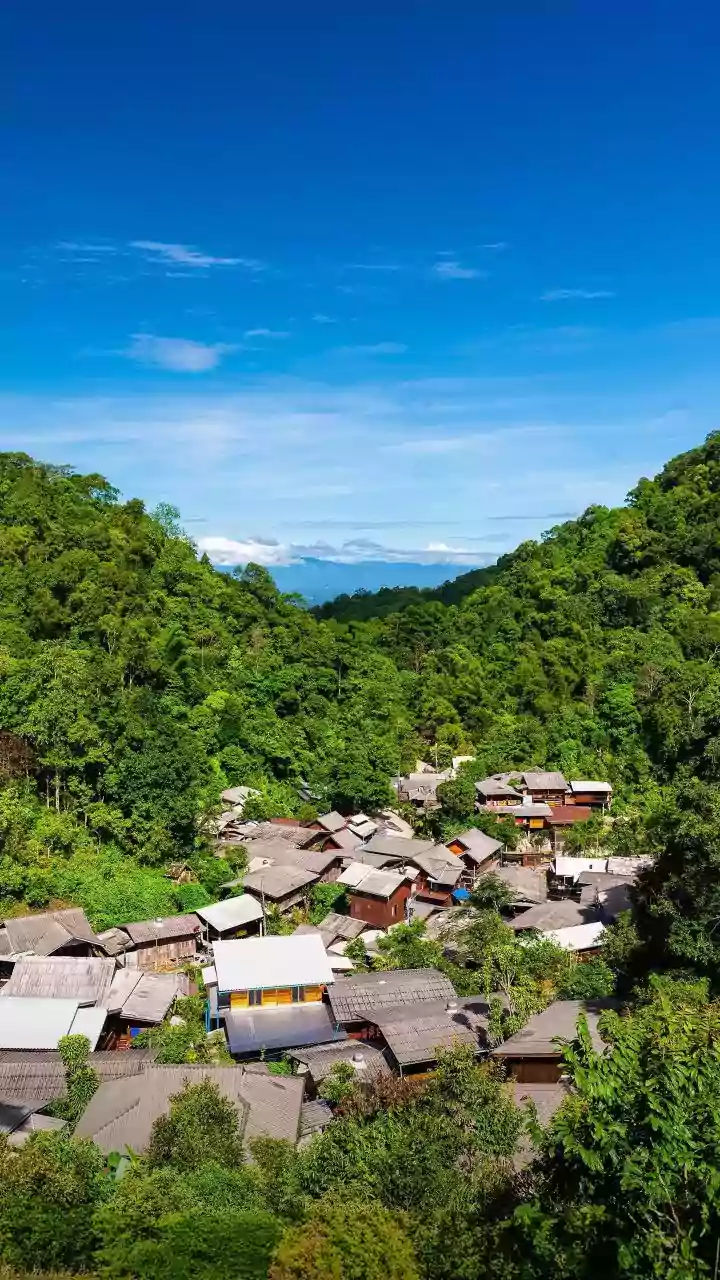
The Denwa Backwater Escape lodge serves as a perfect basecamp for exploring Satpura, embodying a philosophy of sustainable living. Its rustic cottages and treehouses are thoughtfully situated at the park's edge, offering sweeping vistas of the river and surrounding forest. Evenings are spent in the cozy library, gathered for enlightening talks by resident naturalists, fostering a deeper understanding of the park's ecology. Meals are a celebration of local bounty, prepared with organic ingredients sourced from the lodge's garden and nearby villages, reflecting a commitment to fresh, wholesome cuisine. The lodge itself is a testament to eco-friendly design, utilizing recycled wood and stone in its construction and powered by solar energy. Crucially, the lodge actively supports local communities by employing staff from surrounding villages, creating conservation-linked livelihoods and fostering a sense of shared stewardship for this precious wilderness. This holistic approach ensures that the visitor's experience is not just memorable, but also contributes positively to the environment and its people.
Empowered Conservationists
Satpura distinguishes itself through an inspiring all-women safari team – comprising guides, naturalists, and drivers – a deliberate initiative to foster conservation-linked economic empowerment for local women. This groundbreaking approach not only provides vital livelihoods but also cultivates a deep-rooted connection to the park's preservation. Meeting Bimla Bai Kahar, a single parent and one of these guides, underscores the transformative impact of such programs. Despite completing her 10th standard education, her innate understanding of the forest's nuances, passed down through generations and honed by experience, is profound. She navigates the terrain with quiet confidence, sharing the forest's stories in Hindi and functional English with palpable pride. Witnessing her expertise firsthand reveals the immense talent within local communities and highlights how conservation efforts can directly uplift individuals and their families, creating a sustainable model where human well-being and ecological health are intrinsically linked.
Whispers of the Wild
Venturing into Satpura's buffer zones reveals the intricate relationship between the forest and its human inhabitants. Villagers can be seen gathering essential firewood and edible forest fruits, a practice that highlights their traditional reliance on the natural resources provided by the surrounding landscape. The creation of the national park necessitated the relocation of some villages, a complex process that underscores the ongoing balance between conservation mandates and human settlements. Naturalist Neha More skillfully draws attention to the native satinwood trees, demonstrating how crushing their leaves releases a scent remarkably similar to a natural insect repellent, a testament to the forest's inherent medicinal and practical properties. Every step through the park is a potent reminder of being in animal territory. The discovery of tiger pugmarks etched into the forest floor, animal droppings, and deep claw marks on tree bark serve as constant signals of their presence. Neha explains the fascinating territorial marking behavior of tigers, describing how they spray urine and dig into the soil to leave their unique 'Aadhaar card' – a marker of identity and presence, vital for understanding their social dynamics.
A Tapestry of Terrain
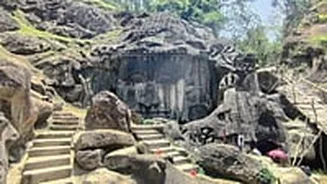
Satpura's dramatic topography is a key element of its unique appeal. The park features a breathtaking mosaic of sandstone plateaus, rugged rocky outcrops, deep, imposing gorges, and dense teak forests interspersed with open grasslands. These diverse landscapes are intricately woven together by the life-giving presence of rivers and backwaters, most notably the Denwa River. A drive to Lagda View Point offers a stunning, expansive panorama, revealing an unbroken expanse of dense forest, the serpentine curves of the river below, and monumental boulders stretching towards the distant horizon. Adding to the park's allure is the discovery of Jhinjhini Mahal, an ancient tribal temple concealed deep within the forest, believed to date back to the 7th century. Its precise origins remain shrouded in mystery, but its current state, partially reclaimed by lush vegetation, is captivating. Weathered stone sculptures of deities and scenes of ancient worship dot the site, hinting at a history as a sacred grove where nature itself was revered. The atmosphere at Jhinjhini Mahal is profoundly still, imbued with a quiet mystique and a palpable sense of history, offering a profound connection to the past.
Avian Wonders & Flora
For avian enthusiasts, Satpura National Park is an absolute paradise, boasting over 250 species of resident and migratory birds. The skies and trees are alive with a constant flutter of activity, from the distinctive calls of pied hornbills and the industrious tapping of woodpeckers to the majestic sight of serpent eagles soaring overhead. The park's vegetation is equally striking in its diversity, featuring dense teak and sal forests, dense bamboo thickets, a rich undergrowth of shrubs and climbers, and an abundance of medicinal plants historically utilized in Ayurvedic practices. Unique trees like the crocodile bark tree stand out with their fire-resistant trunks, textured remarkably like reptilian skin. The mahua tree, revered by local tribes, dots the landscape, its flowers famously fermented into traditional brews. During the summer months, the palash trees erupt in a spectacular display of vibrant, fiery blooms, adding a dramatic splash of color to the already picturesque terrain.
Encounters in the Wild
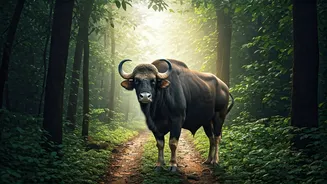
Wildlife sightings in Satpura often unfold with a quiet yet profound impact. Observing a sloth bear methodically excavating a termite mound offers a glimpse into its foraging habits. Majestic Indian gaurs, their distinctive white markings resembling stockings on their legs, emerge from the shadows, often accompanied by their young. Naturalist Neha More notes their immense power, capable of confronting a tiger. Herds of sambar deer, ever vigilant as primary prey, graze in open clearings, their senses constantly attuned to potential danger. Along the water bodies, marsh crocodiles bask lazily in the sun, while the skies and treetops teem with the energetic presence of resident and migratory bird species. A significant conservation success story in the park is the reintroduction of the critically endangered barasingha (swamp deer) from Kanha National Park, an initiative that is now thriving, contributing to the species' recovery and the park's ecological resilience. Even without a tiger sighting, the details—spotting the ethereal silvery-white paradise flycatcher with its impossibly long streamers, or a pair of scops owls peeking from a tree hollow—create indelible memories.
The Essence of Satpura
Satpura National Park offers an experience that transcends typical safari encounters. While the thrill of potentially spotting apex predators like tigers and leopards is present, the park's true allure lies in its emphasis on the subtle, often overlooked details of the natural world. The exceptional biodiversity, encompassing species like sloth bears, Indian gaurs, and a vast array of birds, combined with its varied landscapes of hills, valleys, and water bodies, creates a rich tapestry of life. The park's relative lack of crowds ensures a more intimate and peaceful interaction with nature, allowing for a deeper connection. The pioneering walking safaris are a cornerstone of this immersive approach, providing a sensory experience that engages all senses, from the scent of damp earth to the rustling of leaves underfoot. This focus on sustainable tourism and ecological preservation ensures that Satpura remains a pristine haven, offering a profound and lingering connection with the wild for every visitor.