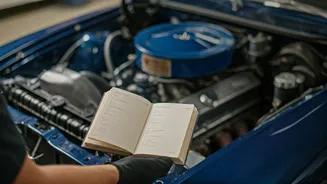








Verify All Documents
Before handing over any cash for a second-hand automobile, meticulously scrutinize all associated paperwork. This includes the registration certificate
(RC), ensuring it matches the vehicle's identification numbers and the seller's identity. Equally important are the insurance policy, valid pollution under control (PUC) certificate, and any available service records. Confirm that there are no outstanding loans or liens attached to the vehicle, as these could create significant legal complications for the new owner. A clear title and complete documentation are the bedrock of a legitimate transaction, preventing future headaches and potential financial burdens.
Inspect Car's Physical Condition
A used car's appearance tells a story, and you need to read it carefully. Begin with the exterior, looking for any signs of rust, particularly around wheel wells, door sills, and the undercarriage. Examine the paintwork for inconsistencies, uneven gaps between body panels, or overspray, which could indicate previous accident repairs. Check the tyres for wear and tear, ensuring they are evenly worn and have sufficient tread depth. Inside, assess the upholstery, dashboard, and all electronic components for functionality and signs of excessive wear. These visual cues can reveal a lot about the car's past treatment and potential hidden issues.
Review Service & Maintenance
Understanding a car's maintenance history is vital for gauging its reliability. Request all service and repair records to ascertain how consistently and where the vehicle has been maintained. Ideally, look for evidence of regular servicing at authorized dealerships or reputable workshops. Consistent upkeep suggests the previous owner was attentive to the car's needs, which often translates to better mechanical health. A gap in service history or records of frequent, major repairs might be a red flag, pointing towards potential ongoing problems or neglect that could lead to expensive repairs down the line.
Check Engine & Drive
The heart of any vehicle is its engine, so pay close attention to its health. When you start the engine, listen for any unusual knocking, ticking, or rattling noises. Observe for any visible oil leaks, excessive exhaust smoke (blue, white, or black), or significant vibrations emanating from the engine bay. During a test drive, which should encompass varied road conditions, evaluate the engine's performance. It should accelerate smoothly without hesitation. Also, test the braking system's responsiveness and ensure the steering feels precise and the suspension absorbs bumps adequately without any jarring sounds.
Odometer & Accident History
The odometer reading offers a glimpse into the car's usage, but it needs context. Compare the mileage displayed with the car's overall condition and its service records; a surprisingly low reading on an older vehicle might suggest tampering or inaccurate reporting. Furthermore, investigate the car's insurance and accident history. While many minor incidents are reparable, a history of major accidents, especially those involving structural damage or repeated insurance claims, should be a serious concern. Such vehicles may have underlying issues that could compromise safety and incur substantial future repair costs, making them less desirable.