





Visibility is Key
When driving in the rain, maintaining clear visibility is paramount. Before you even start your engine, ensure your windshield wipers are in excellent
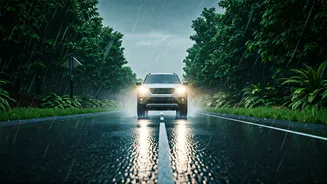
condition. Worn-out blades can smear water rather than clear it, severely impairing your vision. Also, check that all your headlights, taillights, and brake lights are functioning properly; the increased spray from other vehicles and the reduced ambient light make these crucial for both seeing and being seen. Don't forget to clean your headlights, as dirt and grime can significantly dim their output, a problem exacerbated by wet conditions. Using your low-beam headlights, even during daylight, can make your vehicle more visible to others, preventing potential collisions. Some modern cars offer automatic headlights, but it's always wise to double-check their functionality and consider manual activation if visibility is poor.
Tire Traction Matters
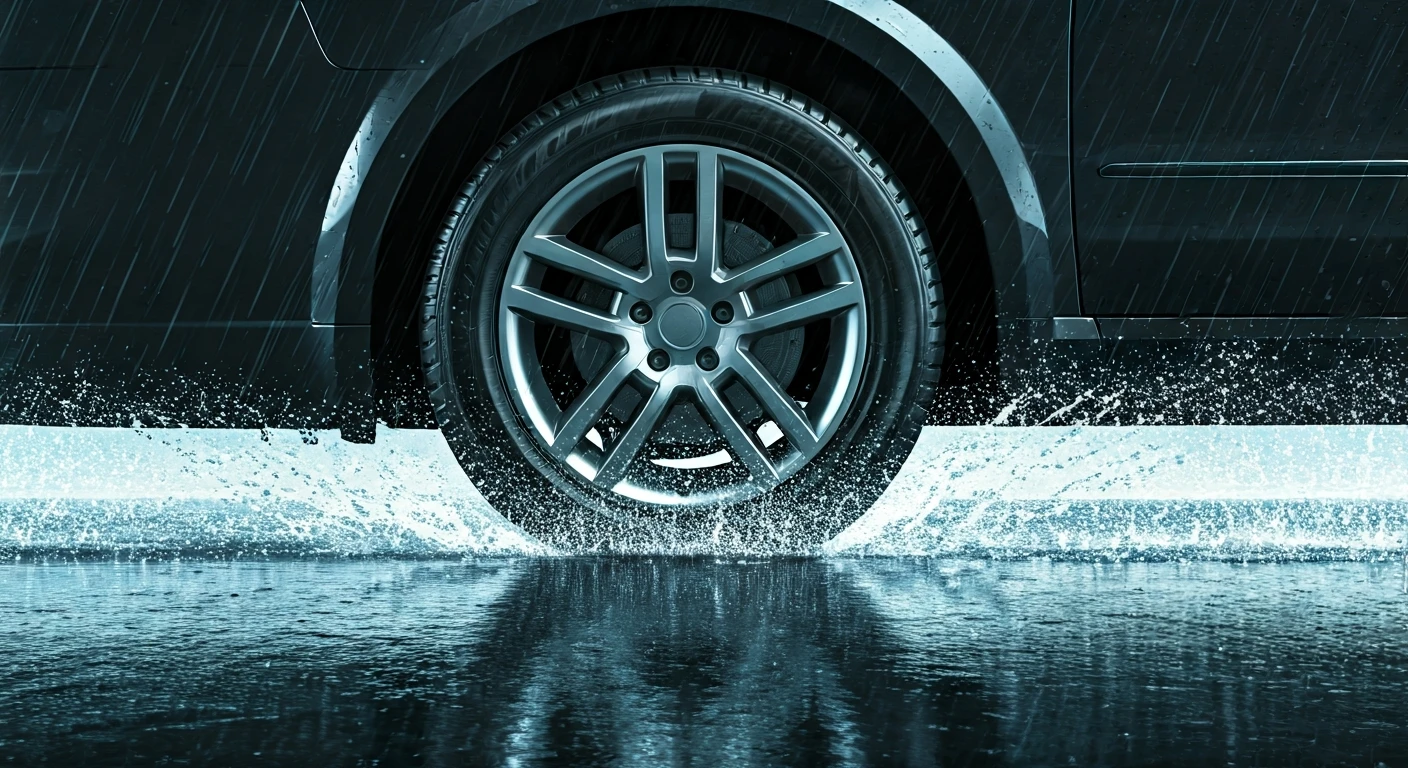
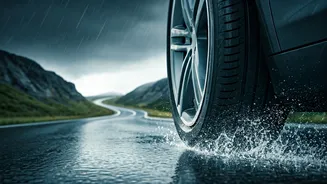
The condition of your tires plays a vital role in how your vehicle handles wet roads. Ensure your tires have adequate tread depth; smooth tires will struggle to grip the asphalt, increasing the risk of hydroplaning. The legal minimum tread depth is often around 1.6mm, but it's advisable to have more, especially if you frequently drive in adverse weather. Properly inflated tires are also essential. Under-inflated tires can lead to uneven wear and affect their contact with the road surface. During heavy rain, the water can get trapped between the tire and the road, causing the vehicle to lose grip and slide. Regular checks of tire pressure and tread are simple yet effective preventative measures for safe driving in the rain.
Slow Down Safely
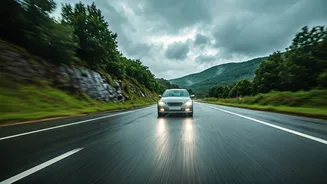
Rainy conditions necessitate a significant reduction in speed. The faster you drive, the longer it takes to stop and the less control you have over your vehicle. Water on the road acts as a lubricant, reducing the friction between your tires and the pavement. This means your braking distance will be considerably longer than on dry roads. Adhere to reduced speed limits posted during inclement weather, and even then, consider driving even slower if conditions are particularly challenging. Rushing in the rain not only endangers you but also other road users. Patience is a virtue, especially when navigating slippery surfaces.
Maintain Safe Distance
When driving in the rain, it's crucial to increase the space between your vehicle and the one in front of you. This extended buffer zone provides more time and distance to react and brake if the vehicle ahead suddenly slows down or stops. Hydroplaning is a real risk, where a layer of water builds up between your tires and the road surface, causing a loss of steering and braking control. A greater following distance ensures that even if the car ahead experiences issues or you encounter unexpected braking, you have a better chance of avoiding a collision. Aim for at least a 4-second gap, and double it if visibility is poor or the rain is heavy.
Brake Gently, Steer Smoothly
Sudden braking or sharp steering maneuvers are hazardous in wet conditions. Apply your brakes smoothly and gradually, allowing your tires to maintain as much contact with the road as possible. Slamming on the brakes can easily lock up your wheels, leading to a skid. Similarly, avoid abrupt changes in direction. If you need to change lanes or turn, do so with gentle, controlled movements. If you feel your car starting to skid, do not panic. Release the accelerator gently and steer in the direction you want the front of the car to go. Many drivers instinctively slam on the brakes or jerk the wheel, which often exacerbates the skid. Practicing these smooth inputs can make a significant difference in maintaining control.
Beware of Puddles
Hidden dangers lie within puddles on the road. They can conceal deep potholes, debris, or cause your vehicle to hydroplane. Even seemingly shallow puddles can be deeper than they appear and can lead to your engine taking in water, causing serious damage. It's best to avoid driving through large or deep puddles whenever possible. If you must pass through one, do so slowly and with caution, keeping your grip firm on the steering wheel. After driving through water, gently apply your brakes a few times to help dry them out, ensuring they are functioning effectively for subsequent braking.
Stay Updated on Conditions
Before you set off on your journey, and even during your trip, it's wise to check weather forecasts and road conditions. Many navigation apps and local traffic authorities provide real-time updates on weather advisories, road closures, or areas experiencing heavy rainfall. Being aware of impending storms or flooded areas allows you to adjust your route, delay your departure, or take alternative paths to avoid hazardous situations. This proactive approach to information gathering can prevent you from encountering unexpected dangers and ensure a safer, more predictable drive.