







Epic Unveiled, Reactions Divided
Nitesh Tiwari's ambitious cinematic adaptation of the revered Indian epic, Ramayana, has finally offered its first visual glimpse through a teaser, starring
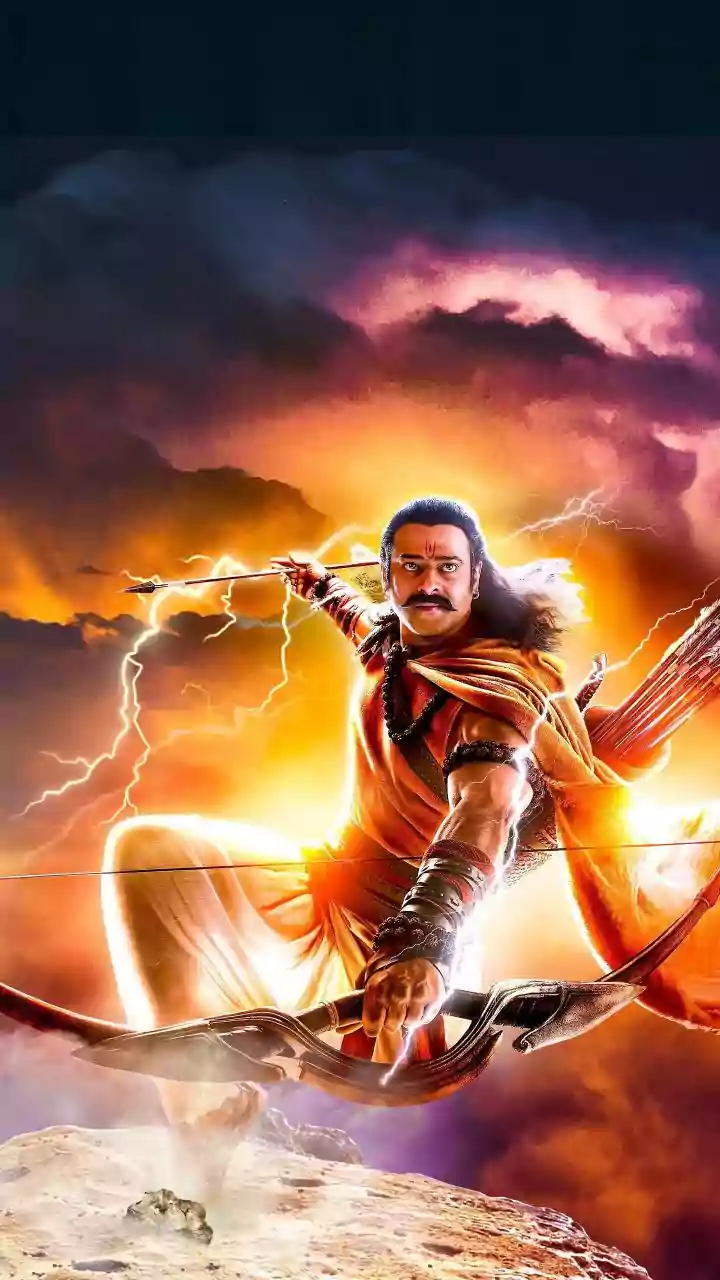
Ranbir Kapoor in the titular role of Lord Ram. The release of this teaser has ignited a fervent discussion across social media platforms, showcasing a stark division in audience sentiment. On one hand, many have lauded the film's production values, particularly its sophisticated visual effects and grand scale, deeming it a groundbreaking stride for Indian cinema. Conversely, a significant portion of the audience has voiced reservations, with criticisms pointing towards the perceived over-reliance on CGI and a concern that the modern aesthetic might dilute the profound cultural and spiritual essence of the Ramayana. This dichotomy in response sets a compelling stage for the film's future reception, highlighting the delicate balance required when reimagining such a foundational narrative for contemporary audiences.
Visuals vs. Soul
The teaser for the Ramayana adaptation immediately draws attention with its impressive visual presentation, highlighting advanced VFX technology. This cinematic ambition, however, has become a focal point for diverging opinions. Admirers commend the filmmakers for their commitment to creating a visually spectacular experience, likening it to a new benchmark in filmmaking technology and artistry within India. They see the cutting-edge effects as instrumental in bringing the grandeur of the epic to life in a way previously unimaginable. Yet, this very emphasis on visual polish has drawn critique from viewers who feel it overshadows the narrative's emotional depth and spiritual core. Comments suggesting the visuals resemble 'game graphics' and a perceived lack of 'soul' reflect a sentiment that the modern technological approach may come at the expense of the story's inherent gravitas and timeless appeal, raising questions about how the film will navigate this artistic tightrope.
Casting and Interpretation Debates
Beyond the visual aspects, the casting of Ranbir Kapoor as Lord Ram has also become a significant talking point, contributing to the mixed bag of reactions the teaser has garnered. Opinions are notably split regarding his suitability for portraying such an iconic and deeply revered figure in Indian mythology. For some, Kapoor's selection represents a fresh, contemporary choice that could bring a new dimension to the character. Others, however, express skepticism or outright disagreement, perhaps rooted in differing interpretations of Lord Ram's persona or a desire for a casting choice more aligned with traditional archetypes. This debate around casting is intertwined with broader discussions concerning the film's overall interpretation of the Ramayana. As the narrative is re-envisioned for a modern cinematic medium, questions arise about how faithfully the film will adhere to established lore and the inherent spiritual message, versus how much creative license it will take. The success of the film may well hinge on its ability to satisfy both purists and those seeking a novel perspective on this enduring epic.
Anticipation and Expectations
Despite the polarized reception to its initial teaser, the Ramayana project, directed by Nitesh Tiwari, has undeniably succeeded in generating substantial buzz and cultivating immense anticipation among audiences. The film is poised to be a colossal production, boasting a formidable ensemble cast that includes Sai Pallavi as Sita and Yash making a powerful appearance as Raavana. Reports indicate a staggering production budget of ₹4,000 crores, underscoring the scale of the endeavor. This significant investment and the star-studded lineup signal a clear intention to present the epic in an unprecedented manner. The teaser, released on Hanuman Jayanti, has effectively dispelled earlier rumors regarding the release date, confirming 'Ramayana Part 1' is slated for a Diwali 2026 release worldwide. The sheer magnitude of the project, coupled with its ambitious vision, sets a high bar for audience expectations, making the upcoming months crucial for further promotional material that may address viewer concerns and solidify the film's narrative direction.