







Death Valley's Fiery Reign
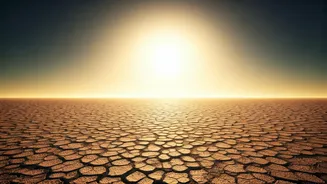
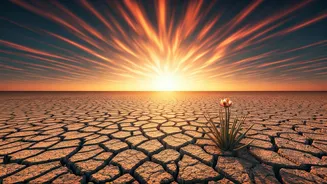
The title of the Earth's hottest locale is famously held by Death Valley, a starkly beautiful yet intensely hot basin situated within California, USA.
This arid region is not just known for its scorching summers but also for holding the undisputed Guinness World Record for the highest air temperature ever documented. On July 10, 1913, thermometers in Death Valley registered a staggering 56.7 degrees Celsius (134.1 degrees Fahrenheit). This exceptional heat is a testament to a unique confluence of environmental factors, making it a subject of fascination and a benchmark for extreme climatic conditions worldwide.
Geographical Hotspot Dynamics
Delving deeper into why Death Valley endures such extreme heat, we find a compelling interplay of geography and topography. Being the lowest point in North America, with its Badwater Basin plunging 282 feet below sea level, plays a crucial role. This creates a bowl-like effect where heat gets trapped, preventing cooler air from circulating effectively. The surrounding rugged mountains further exacerbate this phenomenon by blocking winds. Moreover, the arid desert landscape, characterized by sparse vegetation and dry soil, absorbs and reflects solar radiation efficiently, contributing to the relentless rise in ambient temperatures, especially during the long summer months.
Resilience in Arid Lands
Despite its extreme conditions, human life has found a way to persist in Death Valley. The Timbisha Shoshone, a Native American community, have ancestral ties to this Mojave Desert region, demonstrating remarkable adaptation over centuries. While only a few members of the community currently reside year-round within the national park's boundaries, their historical presence underscores the deep connection between indigenous peoples and challenging natural environments. Their survival speaks volumes about traditional knowledge and resourcefulness in thriving under conditions that would be untenable for most.
Global Heat Centers Revealed
Beyond the single hottest spot, certain countries consistently experience some of the most intense heat globally. Based on compiled data, Senegal emerges as the hottest country, closely followed by Mali. Burkina Faso, Djibouti, and Gambia round out the top five, indicating a significant concentration of extreme heat in West and East Africa. These nations often contend with prolonged periods of high temperatures, posing distinct challenges for their populations and economies. Understanding these regional patterns is vital for addressing the broader impacts of climate change.
Adapting to Summer's Fury
Living through relentless heat necessitates significant lifestyle adjustments. In regions experiencing extreme temperatures, staying safe and healthy involves proactive measures. Common strategies include seeking shelter indoors during the hottest parts of the day, ensuring adequate hydration by drinking plenty of fluids, and opting for lightweight, breathable clothing. Many communities also adapt their work schedules, shifting labor to cooler hours of the early morning or late evening to mitigate the risks associated with heatstroke and other heat-related illnesses. These adaptations are crucial for maintaining well-being and productivity.