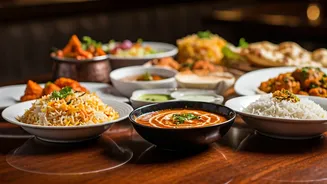

Introduction to Indian Food
Indian cuisine is celebrated globally for its vibrant flavors, diverse regional specialties, and rich cultural significance. The dishes reflect the country's
varied geography, climate, and traditions. The use of aromatic spices, herbs, and unique cooking techniques has made Indian food a favorite worldwide. Each region of India adds its unique touch to the cuisine, making it an ever-evolving and fascinating culinary landscape. From the use of fresh produce to the incorporation of centuries-old recipes, Indian food is a reflection of the country's culture and history.
The Essence of Spices
Spices are the heart and soul of Indian cooking, adding depth, aroma, and complexity to the dishes. Turmeric, coriander, cumin, and cardamom are just a few of the many spices used in Indian cuisine. Each spice has its unique flavor profile and health benefits. The art of balancing these spices is critical to achieving the perfect taste. Spices are often used in whole or ground form, and their combination varies based on the regional influences and specific dish requirements. The use of spices not only enhances the flavor but also provides several health benefits and adds vibrant colors to the dishes, making them visually appealing.
Regional Culinary Diversity
India's varied geography and culture lead to enormous culinary diversity. North Indian cuisine is known for its rich, creamy curries, tandoori dishes, and the use of dairy products. South Indian cuisine is characterized by its use of rice, lentils, and the vibrant flavors of coconut, tamarind, and curry leaves. East Indian cuisine features seafood and the influence of Bengali and Assamese cooking styles, while West Indian cuisine often includes a mix of Gujarati, Maharashtrian, and Goan flavors. Each region offers its unique culinary experience and dishes that reflect the local ingredients, cooking styles, and traditions.
Iconic Dishes: Overview
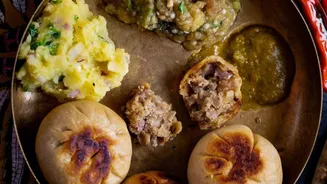
Several dishes have become iconic representations of Indian cuisine. Butter chicken, a North Indian favorite, is known for its tender chicken pieces in a creamy tomato-based sauce. Biryani, a flavorful rice dish often combined with meat or vegetables, showcases the blend of spices and techniques. Various types of Dosas and Idlis represent South Indian breakfast staples, while street food like Pav Bhaji and Vada Pav highlights the popular snacks. These dishes are just a small sample of India's incredible culinary heritage. They reflect the variety, taste, and cultural significance that make Indian food so beloved across the globe.
Traditional Sweets and Desserts
Indian desserts offer a delightful end to any meal, filled with rich textures and sweet flavors. Gulab Jamun, a deep-fried milk-based ball soaked in syrup, is a popular treat. Rasgulla, made from cheese balls in syrup, and Jalebi, a deep-fried pretzel-like snack soaked in sugar syrup, are also favorite choices. Besides these, there's a range of regional sweets that use a combination of milk, nuts, and spices. These desserts are an important part of festivals, celebrations, and daily life in India, often representing tradition and a sense of community.
The Art of Preparation
The method of preparing Indian food is as important as the ingredients used. Slow cooking is a common technique used to develop the flavors in curries and stews. Tandoor cooking, where food is cooked in a clay oven, is a tradition from North India. Frying, steaming, and grilling are also used to create different textures and flavors. Each cooking method brings out a unique aspect of the ingredients. The skill lies in combining spices, controlling the heat, and mastering the time to achieve the ideal taste and consistency for each dish. The traditional way of preparing food is often passed down through generations.
Indian Food's Global Impact
Indian cuisine has gained worldwide recognition, influencing global food culture. Indian restaurants and chefs are found in almost every country, creating authentic dishes. Indian food has been adapted to suit different palates, leading to fusion cuisine. The popularity of Indian spices and cooking methods has increased significantly. Indian food is considered a symbol of cultural exchange, with people globally embracing its flavors. The spread of Indian cuisine has not only increased its popularity but also created opportunities for cultural understanding and dialogue, making Indian food a global phenomenon.