







Tariff Relief Details
A significant aspect of the recent India-US trade accord involves India granting tariff reductions or complete waivers on a broad spectrum of American
industrial and agricultural products. This measure aims to foster greater market access for US exports. Specifically, the agreement includes provisions for feed products like dried distillers grains, red sorghum utilized in animal feed, various tree nuts, and a range of fresh and processed fruits. Additionally, soybean oil, alongside wines and other alcoholic beverages, will see reduced import duties. This tariff liberalization extends to numerous other agricultural commodities, signaling a concerted effort to boost US agricultural sales into the Indian market. The intention behind these concessions is to create a more favorable environment for American businesses looking to expand their footprint in India, thereby strengthening the economic ties between the two nations and potentially leading to increased trade volumes across these specific sectors.
American Tariff Adjustments
In a reciprocal move, the United States will implement an 18 percent tariff on specific Indian goods, operating under an executive order dated April 2, 2025. This duty will affect a variety of Indian export categories, including textiles and apparel, leather products, and footwear. The scope also encompasses plastic and rubber items, biochemical goods, handicrafts, home décor, and certain machinery. This structured approach to tariff imposition indicates a phased adjustment mechanism. The interim nature of this arrangement suggests that further negotiations could lead to adjustments or eventual removal of these duties, particularly as the bilateral agreement progresses towards a more comprehensive framework. This strategy allows for gradual integration and adaptation for both economies while setting clear parameters for the current trade dynamic.
Future Trade Prospects
Looking beyond the immediate interim arrangement, the future holds significant potential for expanded trade and deeper market access between India and the United States. India has committed to increasing its purchases of US goods over the next five years, with an estimated total value reaching approximately $500 billion. A substantial portion of these purchases is expected to be in energy products, but the scope also includes aircraft and aviation components, precious metals, and technology products. Furthermore, large-scale procurement of coking coal is anticipated in the long term. The agreement also addresses regulatory hurdles, making it easier for medical devices to enter the Indian market and streamlining clearance processes for information and communication technology goods. Non-tariff barriers for agricultural imports will be reduced, and import licensing procedures are slated for simplification, paving the way for a more robust and efficient trade relationship.
Sectoral Opportunities & Ambiguities
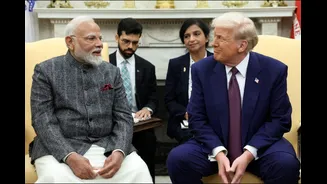
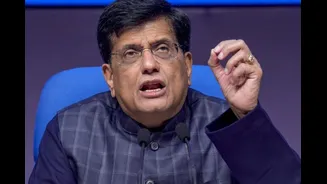
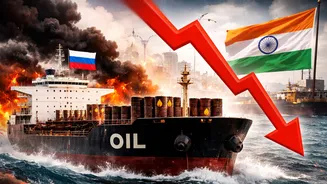
The trade pact opens targeted market access in sectors of mutual commercial interest, aiming for a durable and mutually beneficial framework. Future developments could see the United States remove duties on several Indian exports, including generic medicines, diamonds, jewelry, and aircraft components. Some aerospace tariffs linked to national security rules regarding metals are also slated for withdrawal. India may also benefit from preferential tariff quotas in the automobile and auto parts sector. However, a notable ambiguity persists regarding India's import of Russian oil. While President Trump suggested an end to tariffs on Indian goods that would be removed if India bought crude oil from Venezuela and slowly removed tariffs on US goods, Commerce Minister Piyush Goyal offered no clarity on the Russian oil issue, deferring it to the Ministry of External Affairs. This lack of specific detail leaves a key geopolitical and economic question unanswered within the current trade discussions.