




Defining Formal Footwear
Formal shoes for men are characterized by their sleek design and refined materials, intended for professional settings and special occasions. Different
styles exist, including oxfords and derbies, each with unique features affecting their overall look and feel. The primary considerations when choosing formal shoes are style, comfort, and the ability to complement a variety of outfits, ensuring versatility across different events. The materials used, such as leather, play a major role in both appearance and durability.
Oxfords vs. Derbies
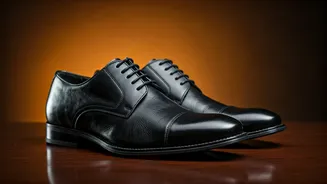
Oxfords and derbies are two dominant styles in men's formal footwear, each offering a distinct aesthetic. Oxfords are generally considered more formal, featuring a closed lacing system where the vamp (the front of the shoe) is sewn to the quarters (the sides) with the lace eyelets attached. This design gives a streamlined appearance, often preferred for business or black-tie events. Derbies, conversely, have an open lacing system; the vamp is stitched on top of the quarters, allowing for slightly more flexibility and a less structured fit. Derbies are a versatile choice that suits both office and less formal social gatherings, balancing elegance with ease of wear. The decision between them depends on the formality needed.
Materials and Construction
The materials used in formal shoes directly impact both their appearance and longevity. High-quality leather is a standard choice, providing a polished look while conforming to the wearer's foot over time, improving comfort. Leather also breathes well, preventing excessive sweating. Other materials include synthetic options, such as faux leather, which can be more affordable. The construction of the shoe is also important. The stitching methods used on the sole and upper part of the shoe, such as Goodyear welting, can increase durability and allow for easy repair. The quality of materials and construction are critical to the lifespan and comfort of the shoe.
Style and Design Details
Beyond the basic style, many details influence the overall aesthetic of formal shoes. The toe style can vary, with options like plain, cap-toe, or wingtip designs. Cap-toe shoes, with a separate piece of leather over the toe, are a versatile option. Wingtip shoes, which have decorative perforations along the seams, are suitable for a slightly less formal context. The color is also crucial; black shoes are the traditional choice for formal events and business attire, while other colors, such as brown or burgundy, can provide a more distinctive touch. Subtle details, such as the shape of the heel or the finish of the leather, significantly contribute to the overall presentation and impression.
Ensuring Comfort
Comfort in formal shoes is as important as style, especially when the shoes are worn for long periods. Proper fit is crucial; shoes should be neither too tight nor too loose, offering support without restricting movement. Features like cushioned insoles and breathable linings can significantly enhance comfort, helping prevent foot fatigue. Consider the sole; rubber soles provide better grip, while leather soles are traditional but can be less forgiving. Selecting the right size and shape to match the individual’s foot can improve comfort, and choosing shoes with flexibility in the upper material prevents pinching and pressure.
Versatile Shoe Choices
Some formal shoes are particularly versatile, easily adapting to different situations. Black Oxfords with a cap-toe are a classic choice that works well with suits and more formal business attire. Brown or burgundy derbies can fit into a wider variety of settings, allowing them to pair well with both business casual and smart casual outfits. The adaptability of a shoe comes down to the style's inherent design, and its ability to complement different color palettes and garment cuts. Owning shoes that possess this versatility provides a solid foundation for any wardrobe.
Matching Shoes & Outfits
The correct shoes should harmonize with your outfits for a complete look. Black shoes are ideal for pairing with black, grey, or navy suits for formal business or events. Brown shoes pair well with navy, grey, and lighter-colored suits, offering more styling options. The color of the shoes should contrast or complement the suit's color. Consider the occasion when choosing your shoes. The details in the shoes, such as the texture and pattern, should be considered as you combine them with your outfit, making sure the shoes’ style matches the tone of the event or the workplace.