






Morality and Mind
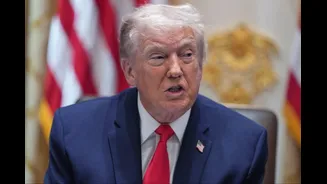
Trump’s statement highlighted the significance of his personal morality and mental framework as core elements that shaped his global influence. He presented
these internal factors as the ultimate constraints, suggesting that his own sense of right and wrong, alongside his way of thinking, acted as the primary guardrails for his actions on the international stage. This indicates that while external pressures certainly existed, Trump viewed his own internal compass as the most crucial element in determining the extent of his authority. The focus on morality reveals a self-imposed ethical boundary, while the emphasis on his mind suggests a strategic approach that considered the implications of his actions on a personal level. This perspective provides an intimate understanding of how Trump conceptualized and regulated his role in global affairs. Therefore, it is important to note how this aligns with or differs from the policies he enacted, and how it might impact his future involvement in the international arena, if any.
Self-Imposed Boundaries
The concept of 'limits' underscores the idea that Trump consciously refrained from utilizing the entirety of his available power. He didn't just passively encounter obstacles; he actively chose to operate within specific confines. This deliberate restriction implies a degree of self-awareness and control, where the former President was fully aware of the extent of his authority and strategically selected its application. This strategy is an indication of a broader understanding of global dynamics and strategic implications. It could be analyzed in various ways: as a tactical move to maintain stability, a response to domestic pressures, or a reflection of his personal convictions. The statement therefore invites further examination into the motivations behind his decisions and the potential impact of these self-imposed limitations on specific international events during his presidency. Exploring these areas of the former president's limitations could give insight into how he viewed the limits of global power and how he chose to navigate those boundaries while in office.
Global Power Dynamics
Trump’s viewpoint provides valuable insights into the complexities of global power dynamics, revealing the interaction between internal and external factors that dictate a leader's approach to international relations. His acknowledgement of limitations emphasizes that even the most powerful figures are not entirely unrestrained. Therefore, factors such as internal beliefs, and geopolitical realities, can all impose boundaries. This perspective promotes a nuanced understanding of how global power actually functions, suggesting that it's not simply the forceful imposition of one's will. Moreover, it is a delicate dance of strategy, personal conviction, and situational awareness. Examining the limits Trump placed on himself offers a case study of how these multifaceted constraints shape actions, highlighting the significance of self-regulation and strategic restraint in a world characterized by competing interests and intricate interdependencies.