




Early Hippie Days
The narrative begins in the mid-20th century, with Goa being a haven for those seeking an alternative lifestyle. Drawn by the relaxed atmosphere, stunning
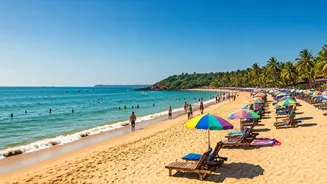
natural beauty, and affordable living, hippies from around the globe flocked to Goa, particularly to the northern beaches. These early visitors established a culture that was defined by a rejection of societal norms and a celebration of freedom. They brought with them new musical styles, clothing, and ideas, which helped shape Goa's distinctive character. This period was marked by simple living, open-mindedness, and a sense of community, setting the stage for Goa's later developments. These initial years were pivotal, establishing the roots of a culture that would attract visitors for decades to come.
Tourism's Initial Growth
As word of Goa's beauty spread, tourism began to grow organically. The laid-back vibe and unspoiled landscapes attracted a new wave of visitors beyond the original hippie community. Small guesthouses and local businesses started to emerge, catering to the increasing influx of tourists. This initial period of tourism was marked by a blend of the old and the new, with local communities adapting to the needs of travelers while attempting to retain their cultural identity. The tourism infrastructure was relatively undeveloped, giving visitors a more authentic experience. This period laid the groundwork for future growth and marked the beginning of Goa's transformation from a niche destination to a popular tourist spot. It was during this time that the seeds of Goa's future economic development were sown.
Infrastructure Developments
The late 20th and early 21st centuries saw Goa experience significant infrastructural development. This included the construction of improved roads, hotels, and other tourist-related amenities. These improvements made Goa more accessible and appealing to a wider audience. The expansion of transportation networks, including the establishment of airports, enhanced connectivity with major cities and international destinations. Simultaneously, the hospitality sector grew to offer a range of accommodation options, from budget-friendly guesthouses to luxury resorts. These infrastructure projects played a pivotal role in the tourism boom, helping Goa accommodate the growing number of visitors. This expansion, while boosting tourism, also presented challenges in terms of environmental impact and the preservation of Goa's unique culture.
Cultural and Economic Shifts
The surge in tourism brought about profound cultural and economic shifts within Goa. The local economy benefited greatly from tourism-related revenue, providing employment opportunities for Goans. New businesses catering to tourists flourished, contributing to the economic diversification of the region. However, the increased commercialization of the land also led to concerns about the erosion of traditional values and the displacement of local communities. The cultural landscape evolved as it adapted to meet the demands of tourists, impacting everything from local cuisine to traditional arts and crafts. Balancing the benefits of tourism with the preservation of cultural heritage and the environment became a major challenge. The economic and cultural shifts underscore Goa's complex journey from a relaxed hippie haven to a top tourist destination, presenting both opportunities and difficulties for its people.
Becoming a Top Destination
Today, Goa is recognized as one of India's premier tourist destinations, drawing millions of visitors each year. It appeals to a broad demographic, including those seeking relaxation, adventure, or cultural experiences. Goa's unique blend of stunning beaches, historic churches, vibrant nightlife, and diverse culinary offerings contributes to its popularity. It has become a symbol of leisure and escape, with a robust tourism industry that continues to evolve. Recent tourism trends, such as eco-tourism and cultural immersion programs, show that Goa is adapting to changing visitor preferences. Goa's status as a top tourist destination reflects its ongoing ability to reinvent itself while still retaining its unique charm and allure, making it a compelling destination for visitors from around the world.