

Vehicles: The Primary Culprits
A high-powered committee, formed by the Bombay High Court to oversee air pollution control measures in the Mumbai Metropolitan Region (MMR), has pinpointed
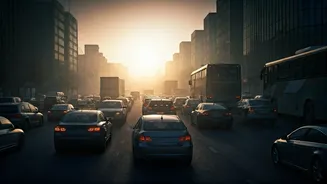
vehicles as the leading contributors to the region's deteriorating air quality. Their preliminary findings, submitted to the court, identify a range of sources including vehicular emissions, construction activities, industrial discharges, road dust, and waste burning. However, the panel's initial review of existing pollution control efforts, such as Pollution Under Control (PUC) drives, suggests that the detection of non-compliant vehicles is significantly lower than the sheer volume of traffic on the roads. This raises serious concerns about the effectiveness of current monitoring mechanisms. The committee is particularly worried about the practice of issuing PUC certificates without proper testing, which allows excessively polluting vehicles to continue operating unchecked and evade environmental regulations. To address this, the panel is urging for more rigorous enforcement and targeted drives to identify and penalize fraudulent PUC centres, potentially leading to license cancellations for operators found to be engaging in dubious practices.
Tackling Traffic Congestion
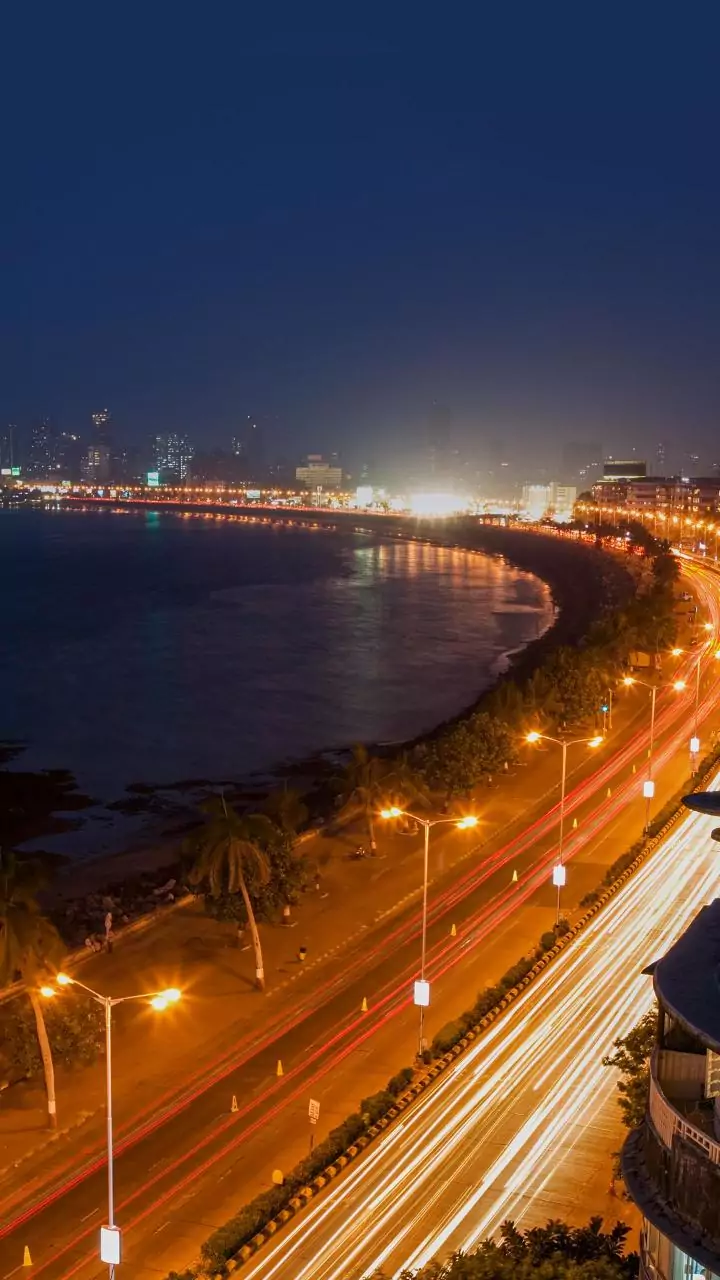
The committee's investigation also uncovered a strong correlation between the constant gridlock on Mumbai's streets and the breakdown of vehicles, including public transport buses. To mitigate these disruptions, the panel has recommended the implementation of robust preventive maintenance schedules for all public transport buses, aiming to reduce mechanical failures. Furthermore, they propose a streamlined policy for dispatching assistance from the nearest available depot or mobile unit when a breakdown occurs, rather than relying solely on the original servicing depot. Recognizing the significant impact of broken-down buses on overall traffic flow, a key suggestion is the establishment of dedicated bus lanes on wider thoroughfares. This would ensure that if a bus does break down, it remains confined to a single lane, minimizing its disruption to other vehicles. To further enhance traffic management during emergencies, the committee has also called for the strategic deployment of towing vans and dedicated emergency response teams at critical locations, enabling swift removal of stalled vehicles, including trucks and lorries, thereby preventing prolonged traffic jams and ensuring smoother movement for all commuters.
Innovative Traffic Management
In its efforts to enhance traffic flow and reduce congestion, the High-Powered Committee has put forth several innovative suggestions for the authorities. A notable recommendation involves leveraging technology for more effective traffic signal synchronization. The panel has directed officials to explore the utilization of platforms like Google Maps to optimize traffic signal timing, especially during peak rush hours, aiming to streamline traffic movement and reduce unnecessary waiting times. Beyond signal management, the committee is also pushing for the adoption of barrier-free tolling systems across Mumbai and its surrounding areas, drawing inspiration from the successful implementation of such a model at the Atal Setu. This aims to expedite the passage of vehicles through toll plazas, thereby alleviating a common source of congestion. Additionally, to address issues stemming from poorly maintained roads and the resulting traffic bottlenecks, the panel has mandated joint inspections by senior officials from the Traffic Cell and the BMC engineer. The objective is to promptly identify potholes and persistent traffic hotspots, paving the way for immediate repair and mitigation measures, thereby improving the overall road infrastructure and travel experience for Mumbaikars.
Enforcement and Awareness
The committee has also highlighted critical issues surrounding parking regulations and their enforcement. It was observed that despite the availability of designated parking spaces, persistent instances of disorderly roadside parking continue to plague the city, indicating a significant lapse in enforcement mechanisms. To combat this, the panel has recommended a two-pronged approach: first, the clear demarcation of roadside parking areas using high-visibility paint to provide explicit guidance to drivers, and second, the strict and consistent imposition of fines for violations. Moreover, the committee stressed the importance of towing away illegally parked vehicles to serve as a strong deterrent. Beyond parking, the committee is ensuring that the Mumbai Air Pollution Mitigation Plan, formulated by the Brihanmumbai Municipal Corporation (BMC), is extended and made equally applicable to all planning authorities and local bodies. This ensures that ongoing construction projects, including vital public infrastructure developments, are not exempt from environmental regulations, thereby promoting a holistic approach to air quality management across the entire metropolitan region and fostering a sense of shared responsibility among all stakeholders involved in city development and traffic management.