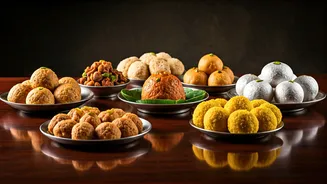







Introduction: A Culinary Journey
Makar Sankranti, a festival celebrated with gusto throughout India, is not just about the changing seasons; it's a vibrant tapestry woven with cultural
threads and culinary traditions. The festival is celebrated under different names across the country. Every region has its unique dishes that reflect the local culture and the abundance of the harvest. The food prepared during Makar Sankranti is not merely for sustenance but also carries deep symbolic meanings, representing prosperity, good health, and the joy of sharing. This article will take you on a culinary journey through ten such traditional foods, giving you a taste of the flavors that define this auspicious occasion. The diversity of Indian cuisine is wonderfully apparent in the array of dishes enjoyed during this harvest festival, making it a truly delicious celebration.
1. Til Ladoo: Sweet Beginnings
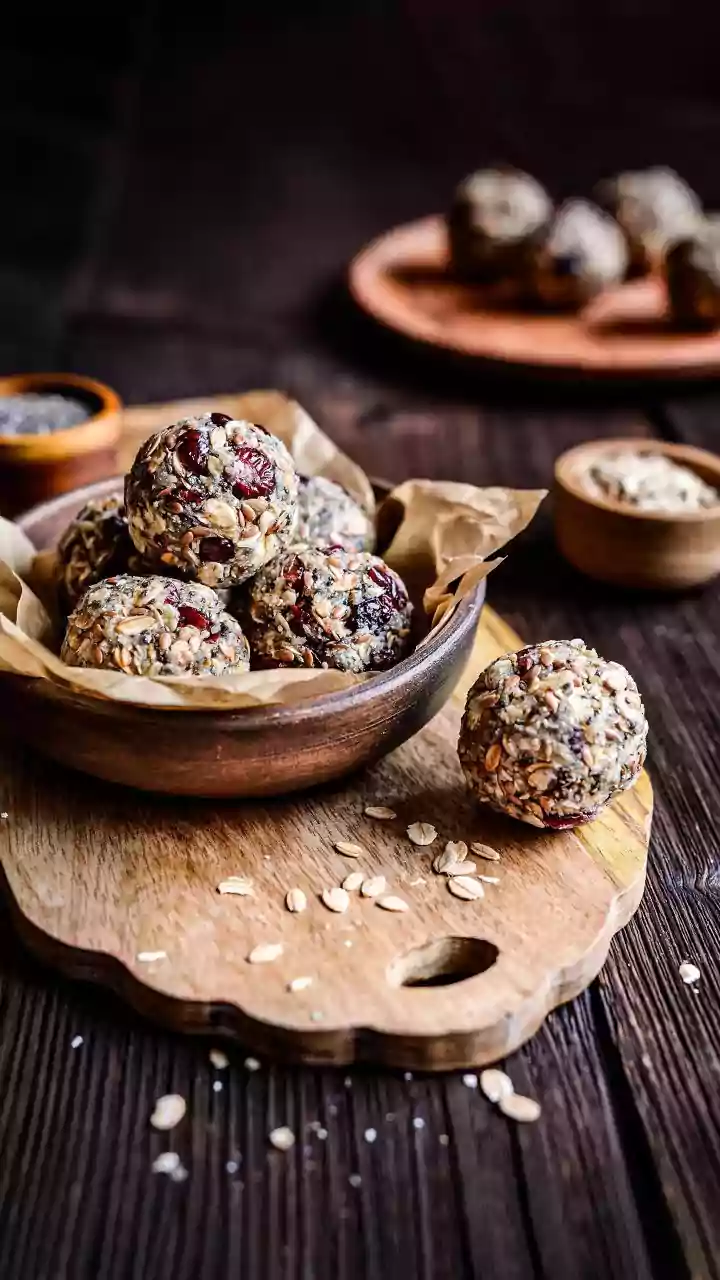
Til Ladoo, the quintessential sweet made with sesame seeds (til) and jaggery, is a must-have during Makar Sankranti. The sesame seeds are believed to have warming properties, perfect for the winter season, while jaggery is a healthier alternative to refined sugar. These small, round balls symbolize the sweetness and togetherness that the festival promotes. Making Til Ladoo is a tradition in many Indian households. The simple recipe usually involves roasting sesame seeds and mixing them with melted jaggery, shaping the mixture into small balls. Some variations include adding nuts like peanuts or almonds to enhance the flavor and texture. The preparation and sharing of Til Ladoo are often family affairs, reinforcing the bonds of kinship and spreading festive cheer. Every bite of Til Ladoo brings with it the warmth and joy associated with Makar Sankranti, making it an integral part of the celebration.
2. Pongal: A Tamil Staple
Pongal, a sweet rice dish, is a traditional offering and the namesake of the Pongal festival in Tamil Nadu, which coincides with Makar Sankranti. The dish symbolizes abundance and prosperity, derived from the newly harvested rice. Pongal is made with rice, lentils (usually moong dal), milk, and jaggery, then flavored with cardamom, cashews, and raisins. The preparation of Pongal is a ceremonial affair, cooked in a new earthen pot, and allowed to boil over, representing abundance. The process is often accompanied by the chants and prayers to the Sun God, thanking Him for the successful harvest. Pongal's significance is not limited to its taste; it represents the prosperity of the season, making it an essential part of the Makar Sankranti festivities in Tamil Nadu and in Tamil communities across the globe.
3. Undhiyu: A Gujarati Delight
Undhiyu, a mixed vegetable dish, is a specialty from Gujarat, particularly popular during Makar Sankranti. It's made using a combination of seasonal vegetables like eggplant, potatoes, yam, beans, and green peas, all slow-cooked in a clay pot underground (hence the name 'undhiyu,' which means 'upside down'). The vegetables are often seasoned with spices and herbs, including methi (fenugreek leaves), coriander, and ginger-garlic paste. The slow cooking process allows the flavors to meld beautifully, creating a rich and aromatic dish. Undhiyu is often served with puri or rotis and is a treat for the taste buds. Making undhiyu is a festive family activity in many Gujarati homes. The preparation and anticipation of savoring this delicious dish make it a significant part of the Makar Sankranti celebrations.
4. Puran Poli: Maharashtrian Sweet
Puran Poli is a sweet flatbread popular in Maharashtra, typically prepared during festive occasions like Makar Sankranti. It's a sweet, stuffed bread made with a dough of maida (refined flour) or wheat flour, enclosing a filling of cooked chana dal (split chickpeas), jaggery, and spices like cardamom and nutmeg. The stuffing is mashed into a smooth paste and then carefully sealed within the dough before being rolled out and cooked on a griddle with ghee. The warmth and rich flavors of Puran Poli make it a favorite. Traditionally, Puran Poli is served with a dollop of ghee and often with katachi aamti, a spicy, tangy lentil soup. The making and sharing of Puran Poli are joyful traditions, adding to the festive spirit and sweetness of the celebrations, strengthening family bonds and spreading happiness.
5. Moong Dal Khichdi: Comfort Food
Moong Dal Khichdi, a comforting dish made with rice, moong dal (split yellow lentils), and various spices, is a common and auspicious food item during Makar Sankranti, particularly in many parts of North India. The simplicity and ease of making this dish make it a popular choice for celebrations. Moong Dal Khichdi is not just a meal; it is also regarded as easy to digest, making it a healthy option during the festive season. The dish's versatility allows for variations, with some regions adding vegetables to enhance the nutritional value and flavor. It is often served with ghee, yogurt, or pickle, adding to the gastronomic experience. Preparing and sharing Moong Dal Khichdi together signifies family togetherness and community spirit, making it an important part of the Makar Sankranti traditions in many households across India.
6. Gur ki Roti: Jaggery Flatbreads
Gur ki Roti, a sweet flatbread made with jaggery, is another delightful treat during Makar Sankranti. The use of jaggery instead of refined sugar connects the dish with the festival's theme of harvest and local produce. This simple flatbread combines wheat flour with jaggery, often spiced with cardamom or other warm spices. The preparation typically involves kneading the dough, filling it with a jaggery mixture, and cooking it on a hot griddle. It can be enjoyed plain or with a dollop of ghee. The richness of jaggery makes Gur ki Roti a delicious and nourishing festive food. It's also a simple dish that can be easily made, making it a popular choice. The making and savoring of Gur ki Roti bring together family and friends. This symbolizes the sweetness and abundance of the season, adding to the joyous celebrations of Makar Sankranti.
7. Peanut Chikki: Crunchy Delight
Peanut Chikki, a brittle candy made from peanuts and jaggery, is a popular snack during Makar Sankranti. The combination of roasted peanuts and caramelized jaggery creates a perfect balance of crunch and sweetness. Peanuts are readily available during the harvest season. Chikki is not just delicious; it also provides energy, making it an excellent snack, particularly in the winter months. The preparation of peanut chikki is simple and involves roasting peanuts, melting jaggery, and mixing the two together before spreading the mixture and letting it set into bars or squares. It's a quick, easy-to-make treat. Peanut Chikki is a common sight in Indian households during Makar Sankranti, enjoyed by people of all ages. Its presence adds to the festive atmosphere, symbolizing the joy of sharing and the abundance of the harvest season.
8. Kheer: Creamy Rice Pudding
Kheer, a creamy rice pudding made with milk, rice, sugar, and flavored with cardamom, saffron, and nuts, is a dessert that brings joy to the festivities of Makar Sankranti. Kheer symbolizes prosperity and is a beloved dish in many Indian households, suitable for any celebration. It's a comforting dish, often served warm or cold. The preparation involves slowly simmering rice in milk until it thickens, adding sugar and flavoring, and garnishing with nuts like almonds, cashews, and pistachios. Variations of Kheer exist across regions, with different rice varieties or additional ingredients used to create unique flavors. Kheer is an integral part of the celebratory meal, representing abundance, sweetness, and the joy of sharing. Its rich, creamy texture and sweet taste make it a delightful treat, enhancing the festive spirit of Makar Sankranti.
9. Gajak: Sesame Seed Candy
Gajak, a brittle sweet made from sesame seeds and jaggery, is a crunchy and delicious treat, commonly enjoyed during Makar Sankranti, especially in the northern parts of India. The sweetness of the jaggery combines with the nutty flavor of the sesame seeds, creating a delightful treat. Gajak is prepared by roasting sesame seeds, melting jaggery, and mixing them to create a crispy candy. It is then shaped into bars or squares. This simple yet delicious candy is popular across all age groups. It's easy to make, making it a common treat in homes. Gajak's presence adds to the festive cheer and symbolizes the abundance of the harvest season. Its satisfying crunch and sweet taste make it a loved dessert that strengthens the festive spirit of Makar Sankranti.
10. Pitha: Festive Rice Cakes
Pitha, a general term for various types of rice cakes, are an important part of the Makar Sankranti celebrations in several regions, especially in Eastern India. Pithas are made with rice flour, with a wide variety in preparation methods, from steamed to fried, and with sweet or savory fillings. Some common types of Pitha include Dudh Puli, made with rice flour and stuffed with coconut and jaggery, or Patishapta, thin crepes filled with a sweet coconut filling. The preparation of Pitha often requires multiple family members. It is a traditional and cultural food. They represent the diverse culinary traditions and are central to the cultural significance of the harvest festival, with each type of Pitha embodying regional flavors. The delicious Pitha varieties add unique flavors to the festive celebrations of Makar Sankranti.