




Grand Canyon's Red Moon
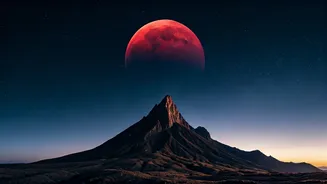
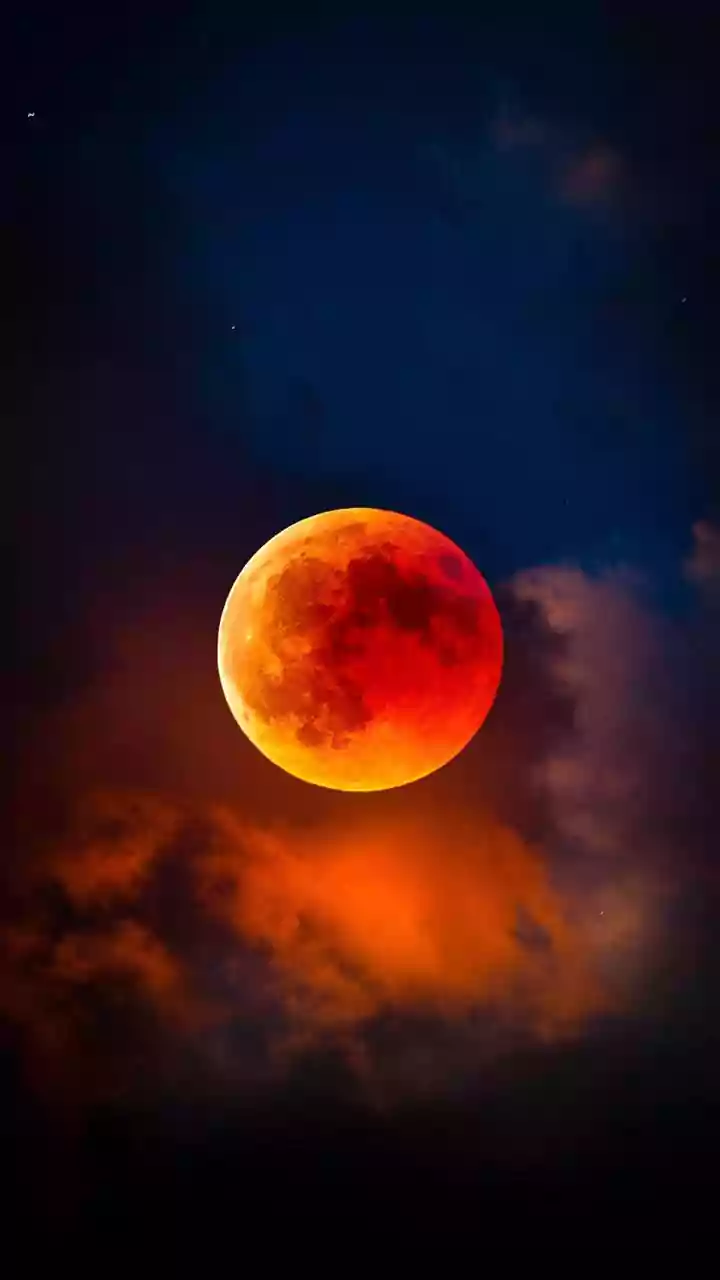
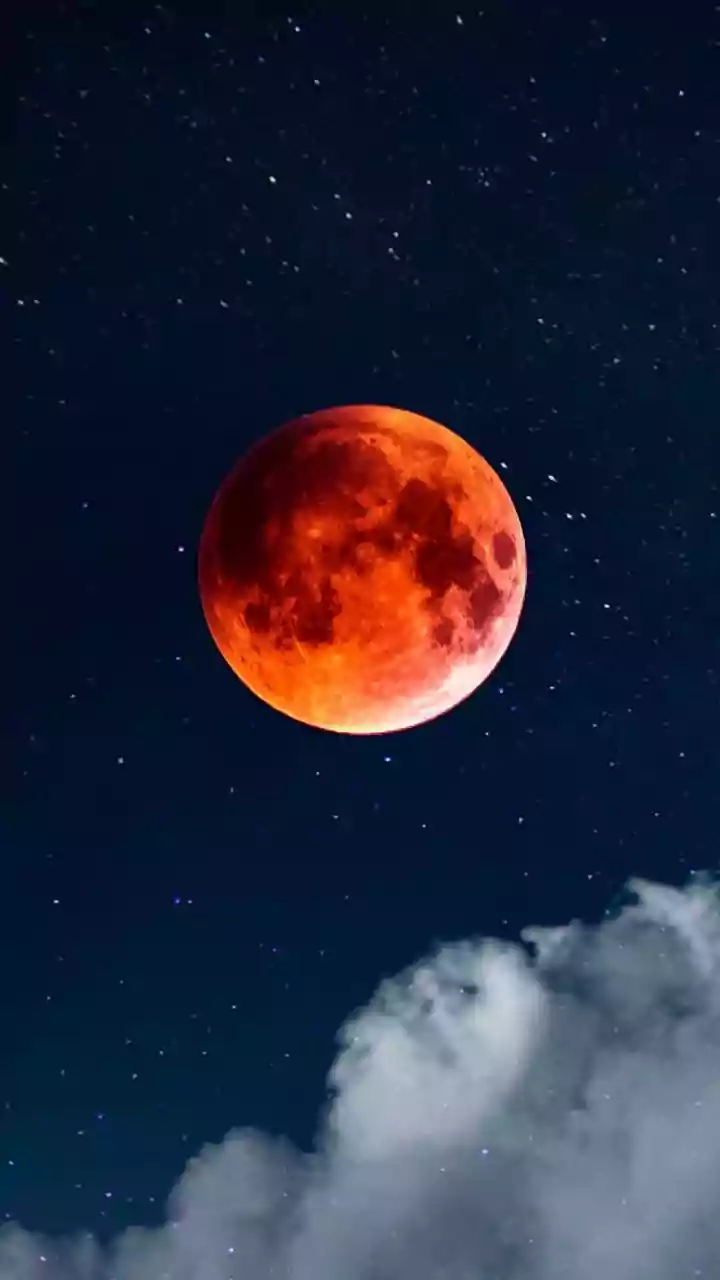
For an unparalleled backdrop to the 2026 Total Lunar Eclipse, the Grand Canyon National Park stands out. Imagine the deep red glow of the Blood Moon ascending
above the immense geological formations of the canyon. Prime viewing spots like Mather Point and the accessible Rim Trail offer expansive, unobstructed panoramas of the night sky. The totality phase is predicted to occur between 4:04 am and 5:02 am MST. While the average cloud cover is around 63%, the sheer grandeur of the canyon combined with the celestial display promises a profoundly memorable experience for any observer fortunate enough to be there.
Colorado's Stargazing Hub
Horsetooth Mountain Open Space in Northern Colorado presents another exceptional opportunity to witness the 2026 Blood Moon. This location is a celebrated destination for astronomy enthusiasts, and during the eclipse, the Northern Colorado Astronomical Society plans to host a public stargazing event. This communal gathering is ideal for both seasoned astronomers and newcomers alike, fostering a shared appreciation for the cosmos. The eclipse's totality will span from 4:04 am to 5:02 am MST. With an average cloud cover of approximately 60%, it offers a good chance for clear viewing, enhanced by the social aspect of collective observation.
Australia's Arkaroola Desert
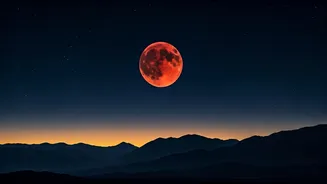
Venture to Arkaroola Wilderness Sanctuary in Australia for an extraordinary encounter with the 2026 Blood Moon, thanks to its exceptionally clear desert skies and minimal humidity. This remote sanctuary is globally recognized for its superior stargazing conditions, offering some of the best prospects for observing celestial events without interference. The eclipse's totality will occur between 9:34 pm and 10:32 pm ACDT. With an average cloud cover of only 24%, Arkaroola provides an outstanding environment for viewing the Blood Moon with remarkable clarity and detail, far from the distractions of urban light pollution.
Warrumbungle Dark Sky
Australia's first designated Dark Sky Park, Warrumbungle, offers a premier setting for the 2026 Total Lunar Eclipse. This park is also home to the renowned Siding Spring Observatory, underscoring its commitment to preserving pristine night sky conditions. The exceptionally low levels of light pollution create an ideal scenario for observing the Blood Moon in its full glory. The period of totality is scheduled from 10:04 pm to 11:02 pm AEDT. With an average cloud cover hovering around 45%, viewers have a strong likelihood of enjoying the eclipse in a truly dark and uninterrupted environment.
Saguaro's Desert Glow
Located in the vast Sonoran Desert near Tucson, Saguaro National Park in Arizona is recognized for its exceptional night sky quality, even being designated an Urban Night Sky Place. Its arid desert surroundings and proximity to astronomical facilities make it a prime location for observing significant celestial occurrences like the 2026 Blood Moon. The park offers a unique blend of natural beauty and celestial viewing opportunities. While specific eclipse timings and cloud cover data for this exact location within the park were not detailed in the original context, its established reputation for clear desert skies positions it as a strong contender for eclipse viewing.