

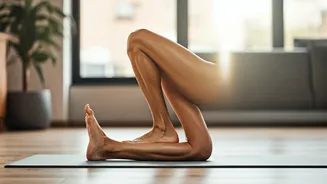

Reverse Hyper Explained
Celebrity Shilpa Shetty recently brought attention to an exercise she credits for her impressively toned legs and hips: the reverse hyper. She described
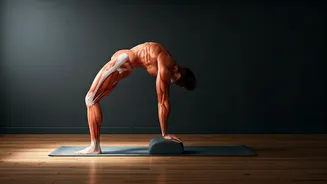
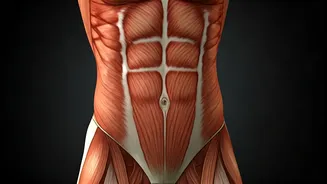
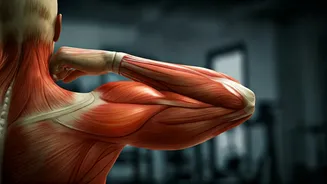
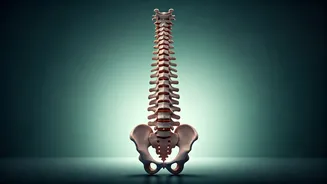
this movement as one of the most undervalued exercises for glute development, highlighting its significant impact on her lower body strength and appearance. Shetty emphasized that incorporating this specific exercise into her routine has been transformative. The reverse hyper is particularly lauded for its ability to activate the gluteus maximus effectively through hip extension, while simultaneously offering a spinal decompression benefit. It plays a crucial role in building strength for hip extension, a fundamental movement that translates positively to compound exercises like squats and deadlifts, as well as improving overall athletic performance. Furthermore, it fosters a well-balanced posterior chain by engaging the glutes, hamstrings, and lower back muscles in a coordinated manner. The controlled repetitions can also contribute to reduced stiffness in the lower back and improved circulation, supporting spinal health.
Proper Execution Technique
To maximize the benefits of the reverse hyper and ensure safety, a specific technique is recommended. The primary cue is to initiate the lift using the gluteal muscles, maintaining a deliberate squeeze at the peak of the movement before a controlled descent. For optimal results, Shilpa Shetty's routine involves performing 3 sets of 15-18 repetitions. The tempo is crucial: a controlled lift phase is followed by a 1-2 second squeeze at the top, and then a slow, deliberate lowering of the legs. A rest period of 45-60 seconds between sets is advised to allow for adequate recovery. This structured approach ensures that the target muscles are adequately challenged without compromising form or risking injury, promoting muscle engagement and preventing the common tendency for jerky movements.
Glute Strength Significance
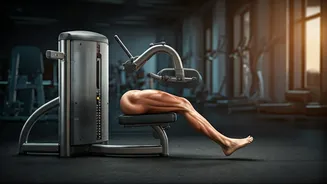
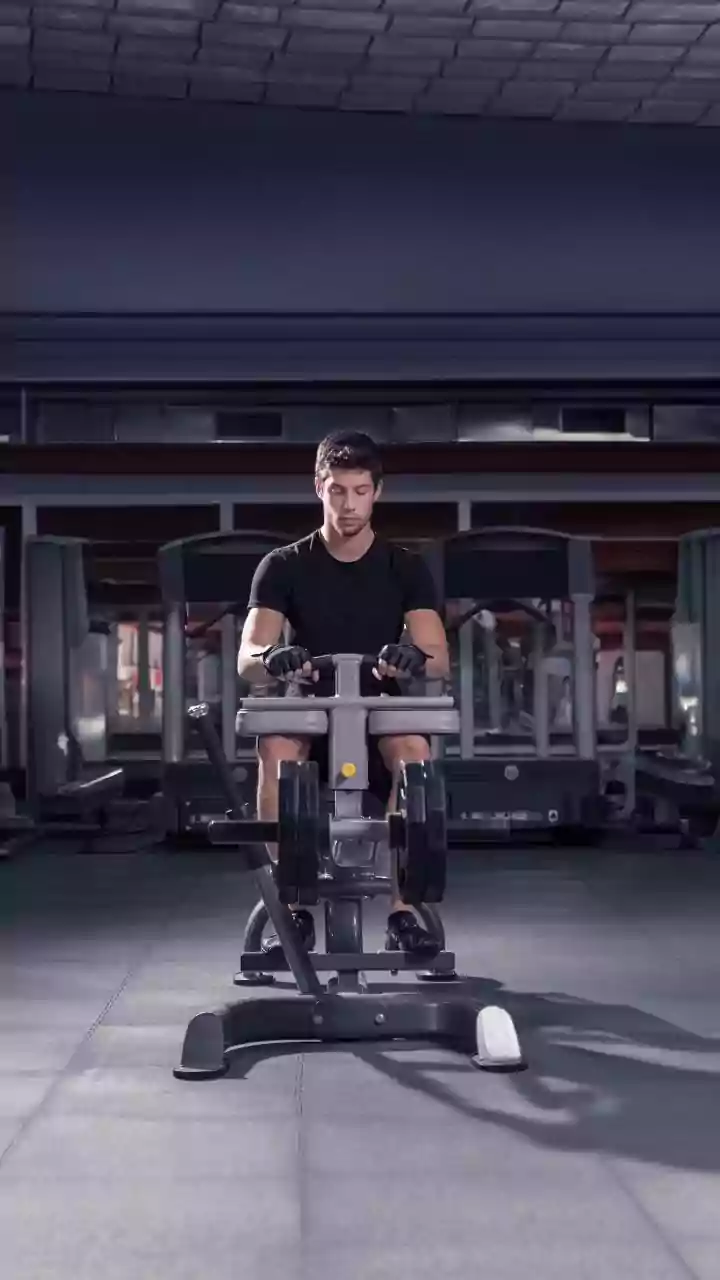
Fitness experts underscore the vital role of glute exercises in achieving overall lower-body health and aesthetics. Utsav Agrawal, an Advanced Fitness Coach, explains that strong gluteal muscles are fundamental for maintaining hip stability, ensuring good posture, and developing robust lower-body strength. Beyond injury prevention, well-developed glutes significantly enhance the visual appeal of the legs, contributing to a more defined and attractive lower-body silhouette. The reverse hyper specifically targets the gluteus maximus, medius, and minimus, promoting their growth and function. This exercise, performed on a specialized machine, involves lying face down and swinging the legs upward, which not only engages the glutes but also provides a gentle stretch and improves blood flow to the lower back region, making it a holistic approach to posterior chain development.
Injury Prevention Tips
To perform reverse hypers safely and effectively, paying close attention to alignment and core engagement is paramount. Fitness expert Garima Goyal provides essential guidance to prevent spinal injury during this exercise and other glute-focused movements. It's crucial to maintain proper alignment of the feet, knees, and hips throughout the entire range of motion, ensuring that the knees do not collapse inward. Maintaining a natural curve in the lower back, rather than over-arching, is also vital to avoid undue strain. Goyal further advises engaging the core by drawing the belly button towards the spine, which enhances spinal stability. Emphasizing controlled movements, both during the lift and the lowering phase, is key to maximizing muscle engagement and minimizing the risk of injury. Avoid any abrupt or jerky motions, focusing instead on a smooth and deliberate execution.