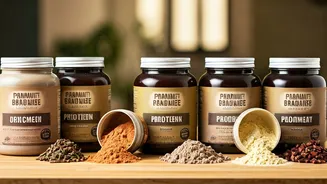

Protein Powders Explored
Plant-based protein powders have gained significant popularity, offering a convenient way to meet daily protein needs, especially for vegetarians, vegans,
and those seeking alternatives to animal-based products. These supplements are often derived from sources like soy, pea, brown rice, hemp, and various seeds, providing a range of amino acids essential for muscle repair, growth, and overall health. When selecting a plant-based protein powder, consider factors such as the protein source, amino acid profile, taste, mixability, and any added ingredients or allergens. Reading reviews and comparing different brands is crucial to finding a product that aligns with your individual dietary requirements and preferences. Several well-regarded options are available, and this guide will assist you in navigating the choices. The right plant-based protein powder can be a great addition to your diet to support your fitness journey.
Soy Protein Powerhouse
Soy protein is a complete protein, meaning it contains all nine essential amino acids that your body cannot produce on its own. Derived from soybeans, this protein powder is often a cost-effective and readily available option. Soy protein is known for its high protein content and is commonly used by athletes and fitness enthusiasts. It mixes easily with water or other liquids, making it a convenient choice for post-workout recovery or a quick protein boost. The complete amino acid profile of soy protein makes it particularly beneficial for muscle repair and growth. Furthermore, soy protein has been associated with potential health benefits, including supporting heart health. However, individuals with soy allergies should avoid this option. Careful consideration of any added ingredients and potential allergens is also crucial when choosing soy protein products. Soy protein is a strong contender if you are looking for a complete and accessible protein supplement.
Pea Protein Power
Pea protein is another popular plant-based option, derived from yellow split peas. It is a good source of protein and is generally well-tolerated, making it an excellent choice for individuals with common allergies or sensitivities. Pea protein is particularly rich in branched-chain amino acids (BCAAs), which are crucial for muscle recovery and reducing muscle soreness. It's often favored by individuals who wish to avoid soy or gluten-containing products. Pea protein powders typically have a neutral taste, allowing for versatile use in shakes, smoothies, and other recipes. The sustainability of pea farming is also a consideration, and it's a good choice for those who want an environmentally conscious product. Pea protein is ideal for those seeking a digestible and effective protein supplement that supports muscle recovery. Its versatility and widespread availability make it an easy choice.
Brown Rice Protein
Brown rice protein is a hypoallergenic option, derived from brown rice grains. It is a good choice for individuals with multiple sensitivities, and it offers a moderate protein content. While brown rice protein is not a complete protein in itself, it can be combined with other plant-based sources to create a complete amino acid profile. It is often a good option for people with allergies. Brown rice protein often has a slightly gritty texture compared to other protein powders, so it's essential to blend it well. It offers a mild taste, which makes it versatile for use in various recipes. Brown rice protein promotes general health and is a good option if you want to diversify your protein intake. People who are gluten sensitive, or those with other allergies, might find that this option is a good alternative to other choices.
Hemp Protein Benefits
Hemp protein is derived from hemp seeds and is another option for plant-based protein. It is a complete protein source, as it provides all nine essential amino acids. Hemp protein also contains fiber and healthy fats, which adds an additional nutritional benefit. It provides a good source of protein with added nutrients. It often has a slightly nutty flavor and a coarser texture than other protein powders. The presence of fiber and healthy fats makes hemp protein a good choice for those seeking additional nutritional support, offering more than just protein. Hemp protein can be a good choice for promoting healthy digestion and maintaining a balanced diet. Its nutritional profile makes it a healthy choice for the consumer looking for more than just protein in their supplement.
Protein Powder Considerations
When choosing a plant-based protein powder, consider the following points to ensure it aligns with your needs. Evaluate the protein source: soy, pea, brown rice, and hemp all offer different benefits, so select a product that suits your requirements and preferences. Look at the amino acid profile to make sure you are getting the essential amino acids you need. Taste and mixability are also important. Choose a powder that you find palatable and can easily incorporate into your diet. Check for added ingredients, such as sweeteners, flavorings, and preservatives, to avoid anything you might be sensitive to. It is important to compare different brands and reviews to make an informed decision. Evaluate the protein content per serving to ensure it meets your daily protein goals. Taking into account these considerations, you will find a supplement that suits your needs and improves your health.
Supplement Integration
Integrating plant-based protein powders into your daily routine is simple and versatile. They can be added to shakes, smoothies, or mixed into oatmeal, yogurt, or baked goods. Protein powders provide a convenient protein source to support muscle growth, repair, and overall health. For post-workout recovery, mix protein powder with water or plant-based milk and fruits. To increase your protein intake, incorporate protein powder into your daily diet by blending it into your favorite meals. When starting to use a plant-based protein powder, start with a smaller dose to assess how your body tolerates it and gradually increase your intake as needed. Drink plenty of water to help your body process the protein. By incorporating plant-based protein powders in this manner, you can easily enhance your diet with the added nutritional benefits of these supplements.