





Mount Kailash: Tibet
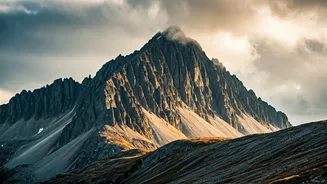
Mount Kailash, situated in Tibet, stands as a pivotal pilgrimage site for multiple faiths. Revered by Hindus, Buddhists, Jains, and Bonpos, it is considered
the axis mundi, the center of the world. Hindus believe it to be the abode of Lord Shiva, the destroyer and transformer. Buddhists revere it as Mount Meru, the center of the universe. For Jains, it's where their first Tirthankara, Rishabhadeva, attained enlightenment, while Bonpos see it as the seat of all spiritual power. The mountain's forbidding nature, never having been climbed, only adds to its mystique, emphasizing its sanctity and challenging any attempt to profane it. Pilgrims undertake the 'kora,' or circumambulation, a 52-kilometer trek around the mountain, believing it to cleanse sins and bring spiritual merit. This arduous journey underscores the deep respect and devotion towards this holy peak, solidifying its place as a cornerstone of faith and spiritual practice in Asia.
Mount Fuji: Japan
Japan's iconic Mount Fuji is much more than just a beautiful mountain; it is a symbol deeply intertwined with the country's spiritual and cultural identity. For centuries, Fuji has been revered as a sacred site, inspiring artists, poets, and pilgrims alike. Shinto, Japan's indigenous religion, considers the mountain a dwelling place for deities. The annual climbing season sees thousands of people ascend its slopes to witness the sunrise from the summit, a deeply spiritual experience known as 'goraiko.' Fuji's symmetrical cone shape and serene beauty have made it a focal point of artistic expression, appearing in countless paintings, woodblock prints, and other forms of art. The mountain's symbolic representation extends beyond its physical presence; it embodies notions of purity, beauty, and the transient nature of life, all of which are essential aspects of Japanese culture and philosophy. The mountain serves as a powerful reminder of the deep connection between humans and nature.
Mount Olympus: Greece
In Greek mythology, Mount Olympus is renowned as the home of the Olympian gods. This grand peak, the highest in Greece, served as a symbolic residence for Zeus, Hera, Poseidon, and other major deities. Ancient Greeks envisioned the gods living in magnificent palaces on its summit, feasting on ambrosia and nectar, and observing the affairs of mortals below. The mountain held a significant place in religious practices and cultural traditions, with temples and sanctuaries built in its honor. Throughout history, the image of Mount Olympus has been a source of inspiration for countless artistic and literary works, reflecting the Greeks' deep reverence for the gods and their mythical realm. While today, the focus is more on hiking and enjoying its natural beauty, Mount Olympus continues to evoke the grandeur and legends of ancient Greece, remaining a powerful symbol of divine power and human imagination.
Adam’s Peak: Sri Lanka
Adam’s Peak, known locally as Sri Pada, is a significant pilgrimage site in Sri Lanka, revered by Buddhists, Hindus, Christians, and Muslims. The mountain is famous for a large footprint-shaped impression on a rock near its summit. Buddhists believe this to be the footprint of Buddha, Hindus see it as the footprint of Shiva, Muslims and Christians identify it as Adam's footprint, hence the name. The pilgrimage season runs from December to April, with thousands of devotees climbing the steep steps to reach the summit. The ascent offers breathtaking views and a truly spiritual experience, particularly at sunrise. The multi-religious significance of Adam’s Peak reflects the island’s rich and diverse cultural heritage, where different faiths harmoniously coexist, contributing to its unique spiritual landscape. This shared respect for the mountain underscores the common human quest for spiritual understanding and reverence.
Mount Sinai: Egypt
Mount Sinai, located in Egypt’s Sinai Peninsula, is significant in Judaism, Christianity, and Islam. It is the place where, according to the Bible, Moses received the Ten Commandments from God. The mountain holds profound religious and historical importance, symbolizing divine revelation and the origins of religious law. The summit contains a chapel and a mosque, reflecting the various faiths that revere this site. The area around Mount Sinai has been a site of pilgrimage for centuries, with monasteries and religious structures reflecting the historical significance. Today, travelers and pilgrims come to explore the sacred mountain, reflecting on the lessons taught in religious texts. Its unique geographical features and spiritual importance make it a significant historical landmark that has shaped the development of religious thought.