





Tire Traction Check
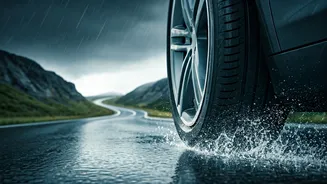
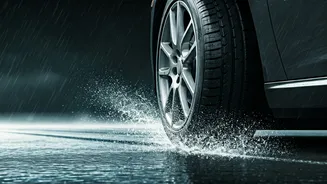
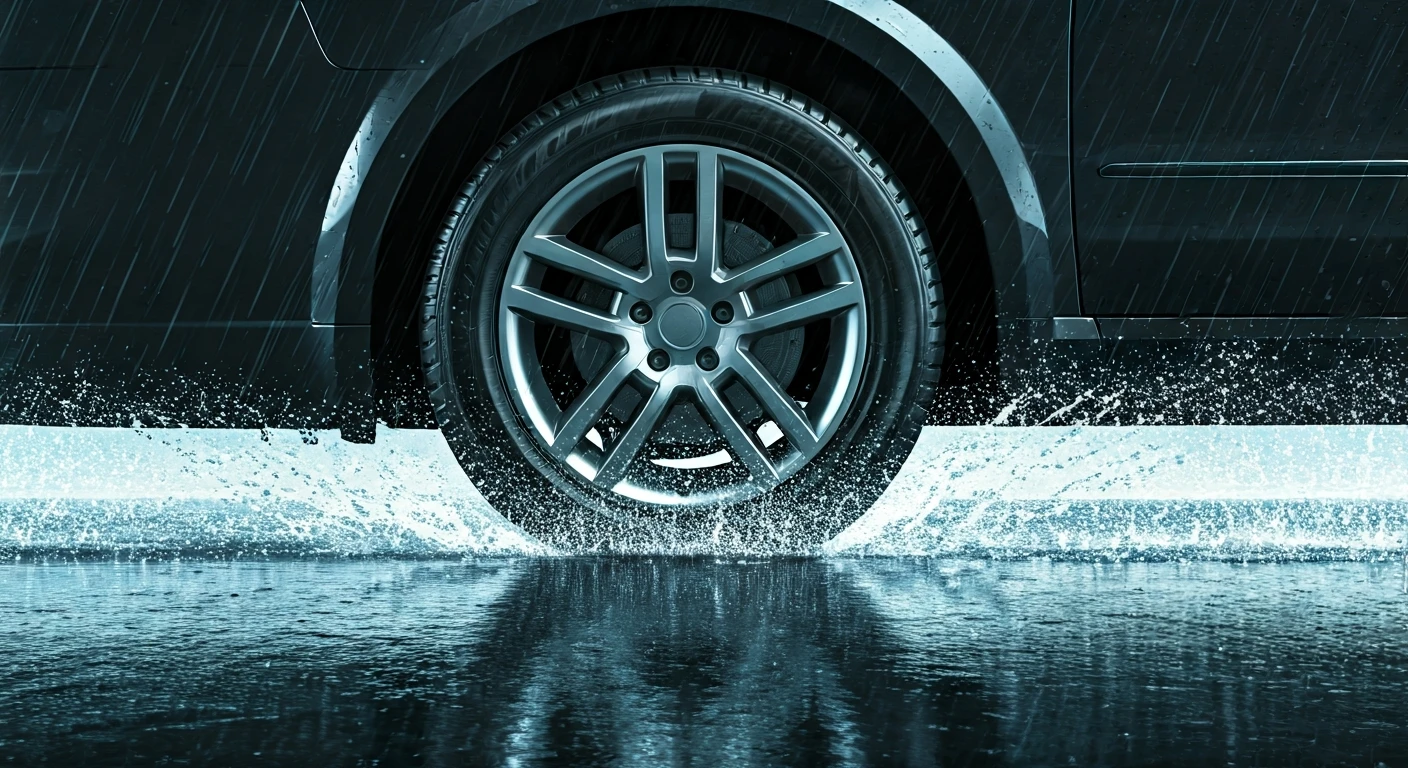
Before setting off on a rainy road trip, the absolute first priority is ensuring your tires are in top condition. Worn-out treads are a major hazard in wet
conditions as they significantly reduce grip on the road surface. Look for adequate tread depth; if you can easily see the wear indicators or the tread is shallow, it's time for new tires. Proper tire pressure is also critical; under-inflated tires can aquaplane more easily, while over-inflated tires reduce the contact patch with the road. Regularly check your tire pressure, especially before a long journey, and adjust it according to your vehicle's specifications, which are usually found on a sticker inside the driver's side doorjamb or in the owner's manual. Good tires provide the foundational safety for any driving, but their importance is amplified exponentially when navigating slick, wet roads. Don't underestimate the power of a healthy set of tires to keep you firmly planted on the asphalt.
Brake System Readiness
A fully functional brake system is paramount for safe driving, especially when rain reduces visibility and increases stopping distances. Before embarking on your journey, take a moment to assess your brakes. Listen for any unusual sounds like grinding or squealing when you apply the brakes. If you notice any sponginess in the brake pedal or if the car pulls to one side when braking, it's a clear sign that your braking system needs immediate attention from a qualified mechanic. Rainy conditions can make it harder to react to sudden obstacles, and having responsive, reliable brakes can be the difference between a safe stop and an accident. Ensure your brake fluid levels are adequate and that the fluid itself is not contaminated. Regular maintenance checks on your brake pads, rotors, and fluid are essential for preventing potential dangers on wet roads.
Wiper Blade Efficacy
Crystal-clear visibility is non-negotiable when driving in the rain, and your windshield wipers are your primary tool for achieving this. Before you start your trip, thoroughly inspect your wiper blades. Check for any signs of wear, such as cracking, tearing, or stiffness in the rubber. When you turn them on, do they clear the water effectively in one sweep, or do they leave streaks and smudges? Streaky wipers can be more dangerous than no wipers at all, as they obscure your view at critical moments. If your wipers are not performing optimally, replace them. Also, ensure your windshield washer fluid reservoir is full and that the spray nozzles are clear and directed correctly. Adequate washer fluid helps to wash away dirt and grime that can further impair visibility during rainfall.
Headlight Functionality
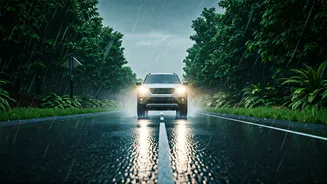
Good illumination is crucial for safe driving in rain, as downpours significantly reduce visibility, making it difficult to see and be seen. Before you depart, double-check that all your vehicle's lights are working correctly. This includes your headlights (both low and high beams), taillights, brake lights, and turn signals. In rainy conditions, it's often advisable to use your low beam headlights even during the day to increase your visibility to other drivers. Ensure your headlight lenses are clean and not fogged up; dirty or cloudy lenses can significantly diminish the effectiveness of your headlights. If you notice any dimness or flickering, it might indicate a problem that needs to be addressed before you hit the road. Proper lighting ensures you can react to hazards and that other motorists are aware of your presence.
Defogging Systems
Fogging of car windows is an almost inevitable challenge when driving in the rain, especially with the temperature difference between the inside and outside of the vehicle. To combat this, ensure your car's defogging systems are fully operational. This includes your front and rear defrosters, as well as your air conditioning. The air conditioning system is highly effective at removing moisture from the air inside your car, which is the primary cause of window fogging. When you notice fog starting to form on your windows, switch on your defrosters and, if equipped, turn on your AC. Directing the airflow to the windshield and side windows can quickly clear them. Driving with a fogged-up car is incredibly dangerous, so proactively checking and understanding how to use your defogging features is a vital part of a safe rainy road trip.
Adjusted Driving Speed
One of the most critical, yet often overlooked, aspects of driving safely in the rain is the need to significantly reduce your speed. Rainwater on the road creates a slick surface, and the water can also reduce the effectiveness of your tires' grip, leading to a phenomenon known as aquaplaning, where your tires lose contact with the road entirely. The faster you drive, the longer it takes to stop, and the greater the risk of hydroplaning. Therefore, it's imperative to slow down considerably compared to your usual driving speed on dry roads. Maintain a safe distance from the vehicle in front of you to allow for increased stopping distances. Being overly cautious with your speed gives you more time to react to unexpected situations and helps maintain control of your vehicle. This simple adjustment can drastically improve your safety on wet highways.
Enhanced Following Distance
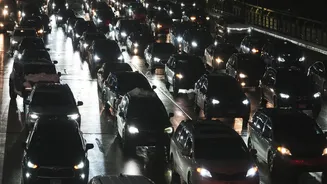
When driving in the rain, the physics of motion change dramatically, and maintaining an adequate following distance is absolutely essential for preventing collisions. The wet road surface significantly increases the distance it takes for your vehicle to come to a complete stop. Additionally, reduced visibility means you might not see a hazard or a vehicle braking ahead as quickly as you would in clear weather. Therefore, it’s crucial to extend the space between your car and the vehicle in front of you. A common rule of thumb for dry conditions is the two-second rule; in the rain, you should aim for at least a four-second gap, and potentially even more in heavy downpours. This extra buffer zone provides you with the necessary time and space to react safely to sudden braking or changes in traffic flow, thus avoiding potential accidents.