
Introduction to Wetlands
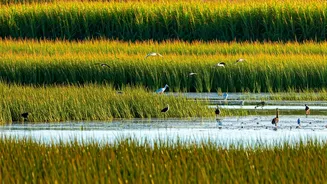
Wetlands are indispensable ecosystems, acting as a crucial link between land and water environments. They serve as natural filters, cleaning and purifying
water while also providing vital habitats for diverse plant and animal species. They play a pivotal role in regulating water cycles, mitigating floods, and contributing to climate change adaptation. Their significance extends beyond ecological functions; they support local communities and economies through fisheries, tourism, and other resources. In India, wetlands are particularly significant, facing challenges from habitat loss and degradation due to human activities. Conserving these precious ecosystems is essential for preserving biodiversity and ensuring the well-being of both the environment and its inhabitants. The preservation of these regions is integral to the health and sustainability of the broader environment.
Sundarban Mangroves
The Sundarbans, a vast mangrove forest in the Bay of Bengal, is a UNESCO World Heritage site and India's most well-known wetland. It is renowned for its unique ecosystem, characterized by intricate mangrove forests and a network of rivers and channels. The Sundarbans is the home of the Bengal tiger, a critically endangered species, along with various other wildlife, including the estuarine crocodile and diverse bird species. The mangroves protect the coastline from erosion and provide a breeding ground for numerous fish and crustacean species, supporting the local communities. The area is constantly threatened by climate change, rising sea levels, and human encroachment. Conservation efforts are crucial to protecting this vital ecosystem and the unique species that depend on it for survival. The area is a fantastic reminder of the significance of wetland ecosystems.
Chilika Lake
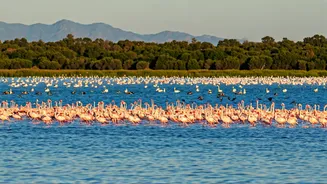
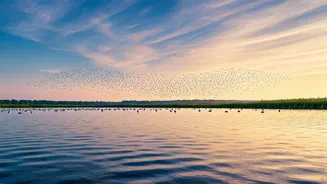
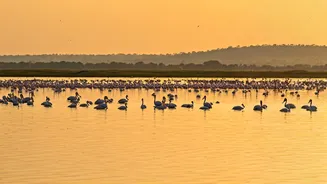
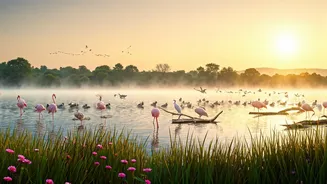
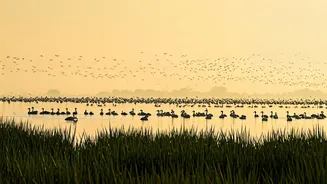
Chilika Lake, located in Odisha, is the largest brackish water lagoon in Asia and a designated Ramsar site. It's an important habitat for migratory birds, including thousands of flamingos, pelicans, and various other species that visit the lake annually. The lake is also home to Irrawaddy dolphins, adding to its ecological value. Chilika Lake supports a diverse fishing community, and its biodiversity provides valuable resources for local livelihoods. However, the lake faces challenges from siltation, pollution, and aquaculture, which can impact its ecosystem. Conservation efforts focus on protecting the lake's water quality, managing its resources sustainably, and promoting eco-tourism, all aimed at preserving its importance. The location is an excellent example of nature and a must-see location.
Loktak Lake
Loktak Lake, situated in Manipur, is known for its unique phumdis, floating islands composed of vegetation, soil, and organic matter. This lake is home to the endangered Sangai deer, also known as the brow-antlered deer, which is endemic to the area. Keibul Lamjao National Park, the world’s only floating national park, is located on Loktak Lake, making it a critical habitat for the Sangai. The lake supports local communities through fishing and tourism, yet faces threats from hydroelectric projects, pollution, and invasive species, which can harm the fragile ecosystem. Conservation initiatives work to maintain the integrity of the phumdis, regulate water management, and promote sustainable practices to help protect the Sangai deer and the delicate balance of the lake's environment. The lake’s survival is important to ensure the livelihood of local communities.
Wular Lake
Wular Lake in Jammu and Kashmir, is one of the largest freshwater lakes in Asia. It's a significant wetland, providing critical habitats for migratory birds and supporting local fisheries. The lake plays a vital role in regulating the flow of the Jhelum River and mitigates floods. The lake is a haven for a variety of aquatic plants and animals. Wular Lake faces challenges from pollution, siltation, and encroachment, which can damage its ecosystem and the local communities that depend on it. Conservation efforts focus on managing the lake's water quality, controlling the growth of invasive species, and promoting sustainable tourism to ensure its longevity. Preserving Wular Lake is essential for protecting the environment and supporting the local economy.