
Understanding Panic Attacks
Panic attacks are sudden episodes of intense fear that can trigger severe physical reactions even when there is no real danger. The symptoms, which can start
within minutes, include a racing heart, sweating, trembling, shortness of breath, chest pain, and a feeling of impending doom. These physical sensations are triggered by the body's 'fight or flight' response, which activates when the brain perceives a threat. During an attack, the body releases adrenaline, preparing for action, but in the absence of an actual threat, these responses can become overwhelming. This understanding is the first step toward managing them effectively.
The Science Behind It
The simple paper bag technique works by helping to regulate breathing. Hyperventilation, or rapid, shallow breathing, is a common feature of panic attacks. It leads to a decrease in carbon dioxide levels in the blood, which can intensify the other physical symptoms of the attack, such as dizziness and tingling sensations. Breathing into a paper bag helps to increase the amount of carbon dioxide inhaled, bringing the body back into balance. By breathing in the exhaled air, the concentration of carbon dioxide in the blood rises, counteracting the effects of hyperventilation and helping to calm the nervous system.
Step-by-Step Guide
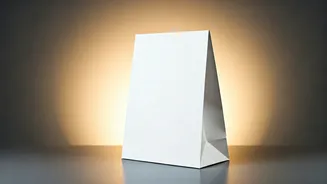
When you feel a panic attack beginning, locate a paper bag—a small grocery bag works well. The process is straightforward: Hold the bag over your mouth and nose. Ensure a snug fit, but not too tight. Breathe slowly and deeply into the bag. Focus on inhaling and exhaling calmly. The goal is to breathe in the air you've just exhaled, which is richer in carbon dioxide. Continue this process for several minutes, or until the symptoms begin to subside. It's essential to stay calm and concentrate on your breathing. You can visualize the air filling your lungs to further center yourself. Remember, this technique is a tool for managing panic attacks, not a cure.
Additional Tips & Advice
While the paper bag method is helpful, it should be part of a larger plan for managing anxiety and panic. Complementing this technique with other strategies can make a significant difference. Regular exercise, such as yoga and meditation, can help reduce overall anxiety levels. It is also beneficial to practice deep breathing exercises daily, even when not experiencing a panic attack. Doing this prepares you for managing future episodes. Consider building a support network of trusted friends, family, or a therapist to discuss your feelings. If panic attacks are frequent or severe, seeking professional help from a doctor or therapist is crucial for long-term strategies. Cognitive Behavioral Therapy (CBT) and medication can also be very effective treatments.
Beyond the Bag
Using a paper bag is just a quick, immediate method to manage a panic attack when it is happening. To help reduce the frequency and severity of panic attacks, other lifestyle changes are beneficial. Identify and avoid triggers, if possible. Caffeine, alcohol, and certain medications can sometimes exacerbate anxiety symptoms. Maintain a regular sleep schedule and ensure you get adequate rest. A balanced diet contributes to overall well-being. Develop healthy coping mechanisms for stress, like listening to music, spending time in nature, or engaging in hobbies. By combining the paper bag technique with other proactive approaches, you can build resilience and take control of your anxiety and better manage panic attacks.