






Natural Fabric Swaps
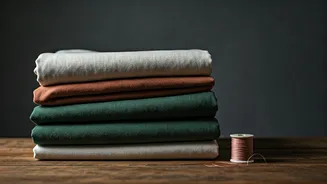
Embracing sustainability in your home decor can be as simple as choosing natural fabrics. Instead of opting for synthetic materials in items like curtains,
cushion covers, and upholstery, consider incorporating textiles made from organic cotton, breathable linen, or the versatile khadi. These natural fibers not only contribute to a healthier indoor environment by improving air quality but also lend a sophisticated and earthy aesthetic to your living spaces. Making these thoughtful switches is a budget-friendly way to infuse your home with both style and environmental consciousness, offering a tangible step towards a greener lifestyle without requiring extensive renovations or significant financial outlay.
Embrace Indoor Greenery
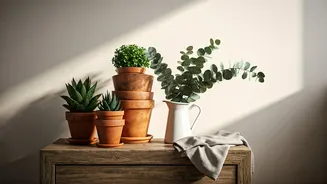
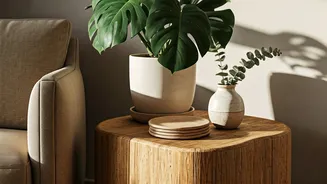
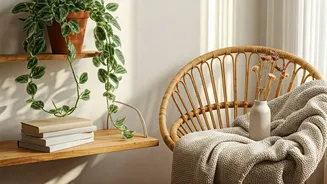
Infusing your home with indoor plants offers a dual benefit of aesthetic enhancement and natural air purification. Beyond their visual appeal, plants play a crucial role in improving the quality of the air you breathe within your living environment. Integrating greenery, whether it's a few potted herbs on your windowsill or larger statement plants in your living area, is a straightforward yet profoundly impactful method to make your space more eco-friendly. This simple addition contributes to a fresher, more vibrant atmosphere, aligning your home decor with nature's restorative powers and promoting a sense of well-being.
Smart Lighting Choices
When it comes to energy consumption, lighting plays a pivotal role in the overall eco-footprint of a household. Upgrading to LED light bulbs is a highly effective strategy for reducing electricity usage. This not only translates into lower energy bills but also contributes to a healthier planet by minimizing the demand for power generation, which often relies on non-renewable resources. By making this simple change, you are actively participating in energy conservation, which in turn helps improve air quality indirectly by lessening the strain on energy infrastructure.
Revive Old Furniture
A core principle of sustainable living involves valuing and extending the life of existing items, and this particularly applies to furniture. Instead of succumbing to the allure of inexpensive, mass-produced new pieces, which often have a significant environmental cost, consider the art of restoration. Breathing new life into older furniture through polishing or minor repairs can refresh your home's aesthetic significantly. This approach not only saves money but also drastically reduces waste by diverting usable items from landfills, promoting a circular economy within your own home and celebrating the character that comes with well-loved pieces.
Support Local Artisans
Choosing decor items crafted by local artisans is a powerful way to champion sustainability and inject unique character into your home. This practice significantly reduces the carbon footprint associated with transportation, as goods travel shorter distances from creation to your doorstep. Furthermore, it actively supports local economies and preserves traditional craftsmanship, ensuring these valuable skills are passed down through generations. Decor sourced from local makers often possesses a distinct design quality and a story that mass-produced items simply cannot replicate, offering a socially responsible and aesthetically rich alternative.
Aesthetics Meet Green
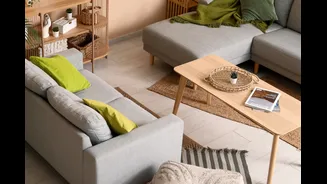
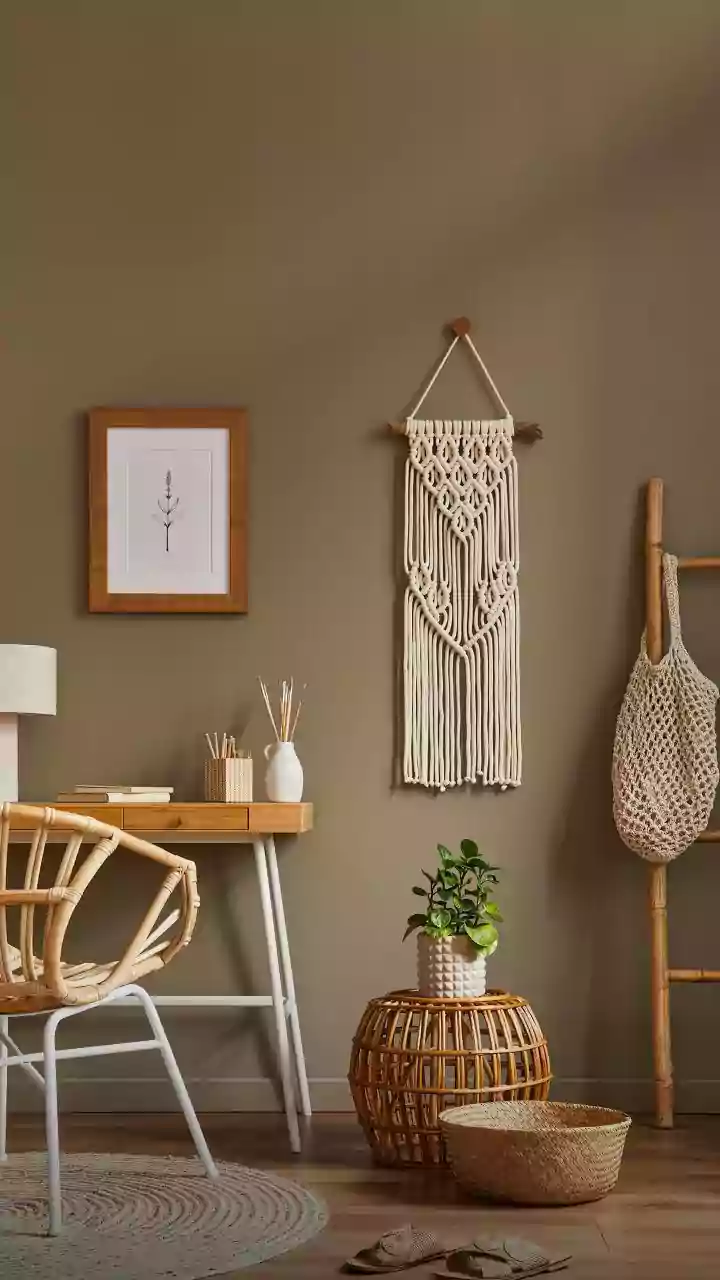
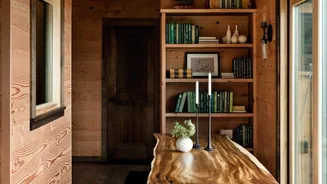
Achieving a stylish and sustainable home is entirely possible, and in fact, sustainability can elevate your decor. Materials like solid wood, bamboo, cane, jute, and terracotta naturally bring warmth and texture to a space, all while being environmentally responsible choices. Beyond material selection, adopting a minimalist ethos is key. This approach encourages mindful consumption, urging you to select fewer, higher-quality items that resonate with your personal style. Such intentional choices foster a sense of authenticity, grounding, and aesthetic richness in your living environment, proving that conscious living and beautiful design are not mutually exclusive.
Pitfalls to Sidestep
While the trend towards eco-friendly living is commendable, it's important to be discerning and avoid superficial choices. Many mistakenly believe that simply purchasing items labeled 'eco-friendly' guarantees sustainability. However, true green living requires a deeper commitment. Be wary of falling into the trap of overconsumption driven by fleeting trends, or frequently replacing low-quality items. Even opting for artificial plants, while seemingly convenient, contributes to plastic waste. Genuine sustainability is about making mindful, long-term choices rather than continuously acquiring new 'eco' products.