





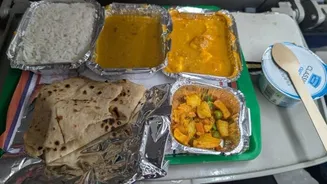
Meal Services Threatened
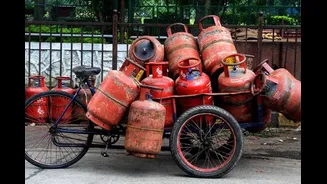
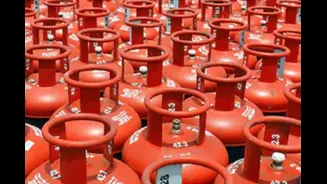
India's railway passengers might soon face a disruption in cooked meal services on trains due to a significant shortage of Liquefied Petroleum Gas (LPG).
The Indian Railway Catering and Tourism Corporation (IRCTC), responsible for managing food operations across the vast rail network, is reportedly considering a temporary halt to these services. This development stems from reported cutbacks in Liquefied Natural Gas (LNG) supplies, which are essential for cooking. In light of this potential suspension, passengers who have already pre-booked meals along with their train tickets could be eligible for refunds. The situation has escalated to a point where travelers embarking on extended train journeys may need to make provisions for carrying their own food, underscoring the severity of the supply chain issue.
Adapting to Shortage
In response to the growing LPG scarcity, IRCTC has issued directives to its associated food vendors, urging them to transition to alternative cooking methods wherever feasible. This includes leveraging equipment like microwave ovens and electric induction systems within their establishments at railway stations. The goal is to maintain the continuity of food services for travelers with minimal interruption, even amidst the supply challenges. These instructions are particularly relevant for food plazas, refreshment rooms, and Jan Aahar outlets situated at railway stations nationwide, a consequence of reduced LNG allocations. Railway officials have indicated that the disruption has already begun to impact IRCTC’s primary kitchens, the central hubs where meals are prepared before being dispatched to trains. While pantry cars typically function as reheating and distribution points and don't usually store LPG cylinders, the slowdown in base kitchen operations directly affects the preparation of meals destined for long-distance travel.
Scale of Operation
The IRCTC's catering division plays a colossal role in feeding the nation's train travelers, serving an estimated 17 lakh (1.7 million) meals daily across India. This extensive operation is managed through a widespread network of base kitchens and onboard catering units. Notably, the western zone of the country accounts for approximately 20 percent of these daily meals, rendering it particularly susceptible to the ongoing LPG shortage. Senior railway officials have characterized the current situation as serious, with expectations that it could escalate further in the coming days. This crisis emerges against a backdrop of heightened tensions in the Middle East, which has prompted the government to re-evaluate the priority for allocating domestically produced natural gas. LPG has now been elevated to a top priority alongside Compressed Natural Gas (CNG) and piped cooking gas. Consequently, hotels and restaurants that depend on commercially sourced LPG are experiencing a mounting supply deficit.
Global Energy Routes
Amidst escalating geopolitical tensions involving the US and Iran, which threaten the crucial oil flow through the Strait of Hormuz, two significant Gulf pipelines serve as vital alternative land-based routes for crude oil transportation. The first is Saudi Arabia’s East-West pipeline, spanning approximately 746 miles from the country’s oil-rich eastern territories to the Red Sea port of Yanbu. The second is the UAE’s Habshan-Fujairah pipeline, which transports crude oil from Abu Dhabi to Fujairah on the Gulf of Oman, effectively bypassing the Strait of Hormuz. These pipelines are critical because the Strait of Hormuz normally handles about 20 percent of the world’s total oil and gas supply. Any interruption to this key maritime passage inevitably exerts pressure on global energy markets, raising concerns not just about potential price hikes but also the duration and magnitude of such impacts.