



Leverage DC Fast Chargers
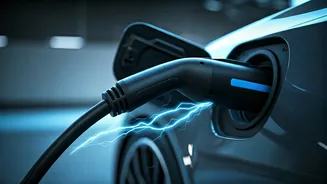
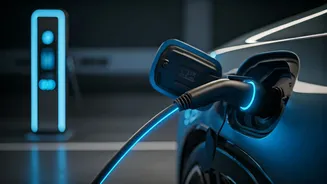
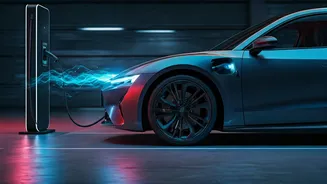
When you're in a hurry, the most impactful step towards faster EV charging is to seek out DC fast chargers. Unlike the slower AC chargers found at home
or in some public locations, DC fast chargers deliver a significantly higher electrical current directly to your vehicle's battery. This direct current conversion within the charger itself bypasses the car's onboard converter, allowing for a much more rapid energy transfer. Consequently, many electric cars can reach an 80% charge state in a remarkably short period, often under an hour, compared to several hours with Level 2 chargers. This makes DC fast charging an invaluable tool for long journeys or when time is of the essence.
Target Optimal Battery Range
The efficiency of fast charging is significantly influenced by your EV's current battery level. For the quickest and most effective charge, aim to plug in when your battery is between 20% and 80%. During this mid-range, the battery's internal chemistry is most receptive to high-power charging. Once the battery level exceeds 80%, its charging rate naturally decelerates to prevent overheating and protect its long-term integrity. Therefore, planning your charging sessions to fall within this sweet spot ensures you maximize the benefits of fast charging infrastructure, achieving substantial power gains without unnecessary delays.
Precondition Your Battery
Modern electric vehicles often come equipped with a feature called battery preconditioning. This intelligent system allows your car to prepare the battery for optimal charging conditions before you even arrive at a charging station. By actively warming or cooling the battery to its ideal operating temperature, preconditioning ensures that the battery can accept a high-speed charge more efficiently. A battery at the correct temperature can absorb energy much faster, leading to a noticeable reduction in charging time. This feature is particularly beneficial in extreme weather conditions, where ambient temperatures can otherwise hinder charging performance.
Mitigate Temperature Extremes
The ambient temperature surrounding your electric vehicle plays a crucial role in how quickly it charges. Both extreme heat and intense cold can negatively impact charging speeds, as the battery management system works to protect the battery from potential damage. In hot weather, the battery may need to cool down, and in cold weather, it might require warming up, both of which consume energy and slow the charging process. To combat this, try to park your EV in a shaded area or a covered garage whenever possible, especially before a charging session. Maintaining a more moderate battery temperature will allow for a more consistent and faster flow of electricity.
Prioritize Manufacturer Chargers
When it comes to charging your electric vehicle, always prioritize using chargers that are specifically recommended or approved by your car's manufacturer. These chargers are designed and tested to ensure compatibility and optimal performance with your vehicle's battery system. Using manufacturer-endorsed equipment guarantees a stable and consistent power delivery, which is vital for protecting the long-term health of your battery. Moreover, these approved chargers are often engineered to support faster charging speeds safely, allowing you to replenish your battery's energy quickly without introducing undue stress or risk of damage.